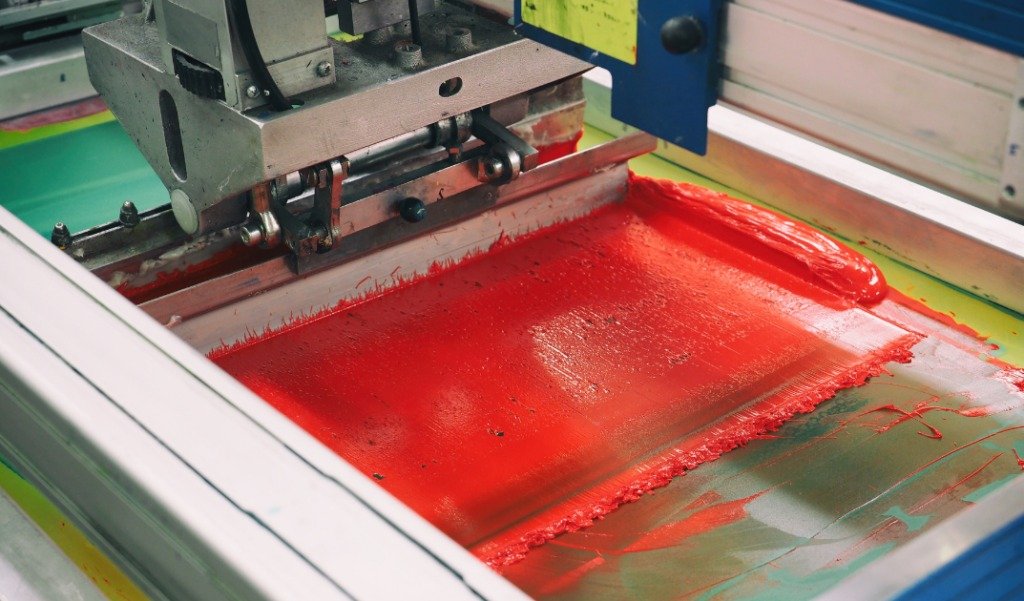
Which material is best?
The choice depends on product surface, flexibility, appearance, exposure, and functional requirements.

StikTec material expertise
Materials and finishing processes shape how labels, graphic overlays, membrane switches, nameplates, and control panels look, feel, adhere, and perform. StikTec helps buyers select PVC, PET, PC, and surface treatments based on real product requirements.
Material and process options
Review base films and finishing processes for labels, interfaces, nameplates, and product surfaces.
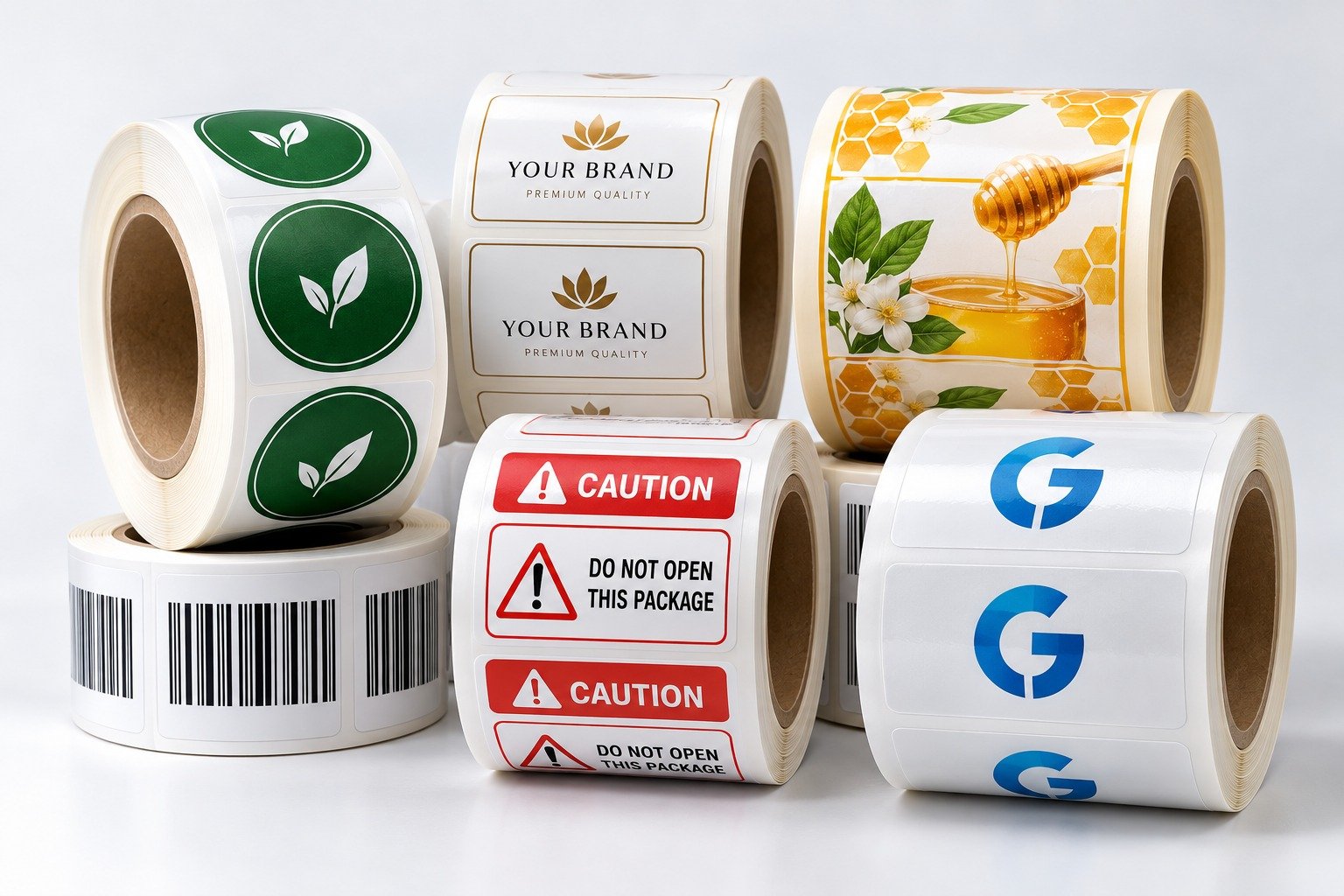
Flexible material options for labels, graphics, decals, and application-specific product surfaces.
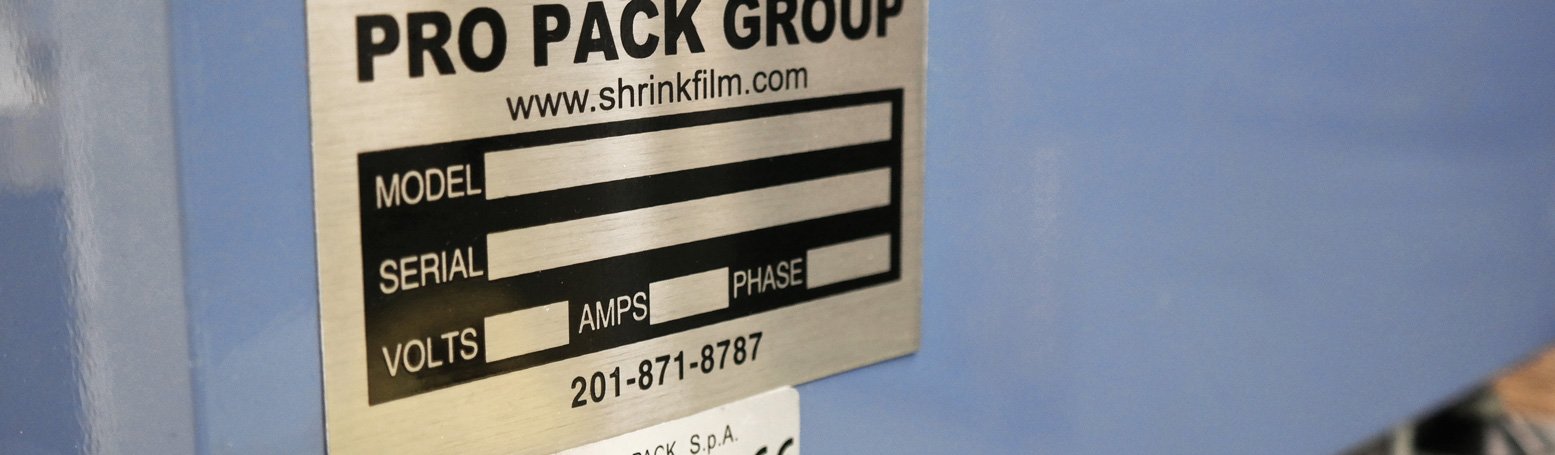
Durable film material for labels, overlays, membrane interfaces, and demanding product identification projects.
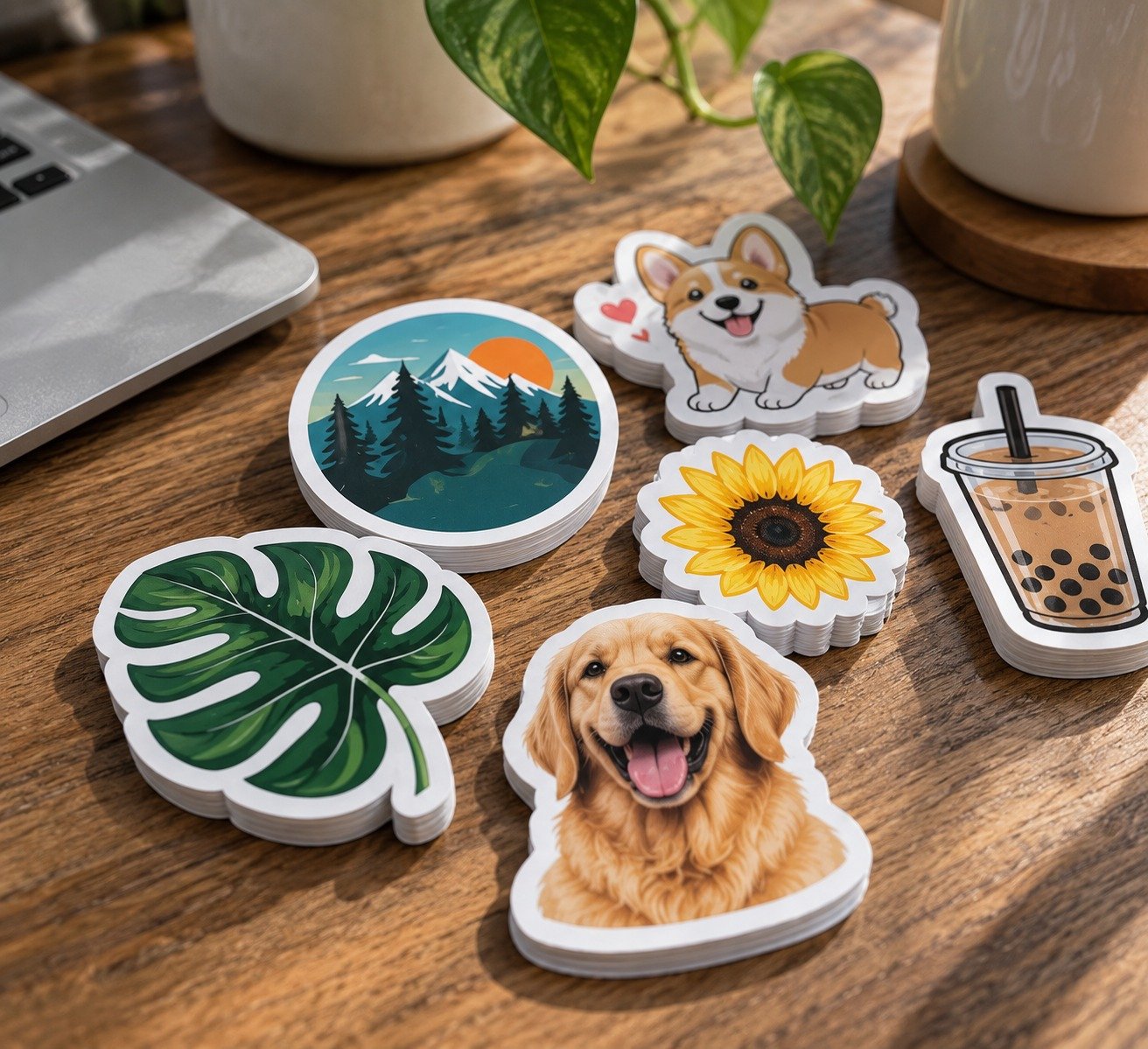
Polycarbonate options for graphic overlays, control panels, display windows, and embossed interface surfaces.
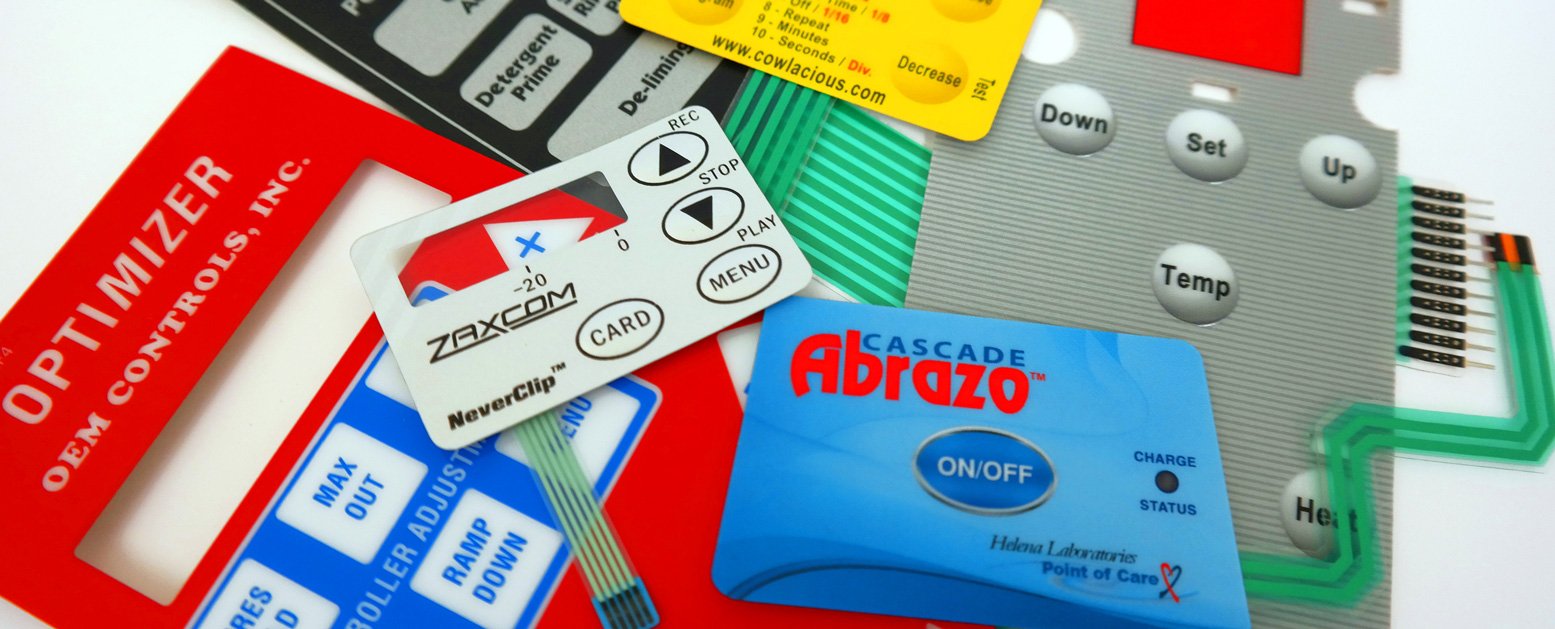
Surface treatments that influence appearance, readability, reflection, touch, and product presentation.
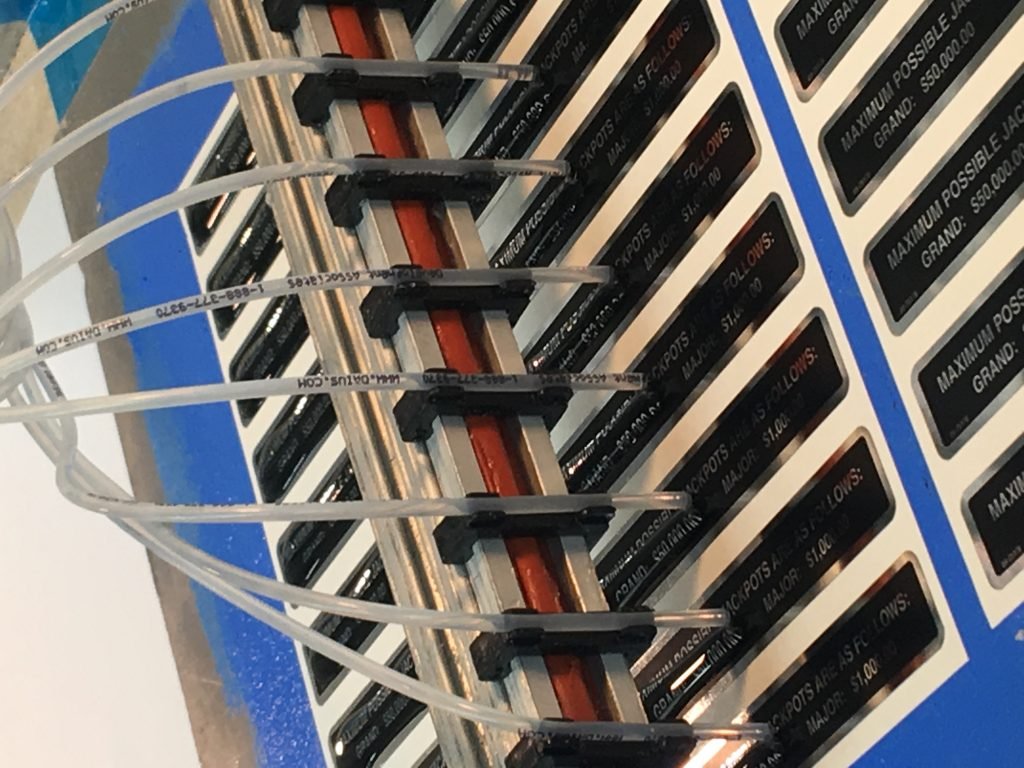
Protective and functional processes for surface durability, visual detail, and tactile interface features.
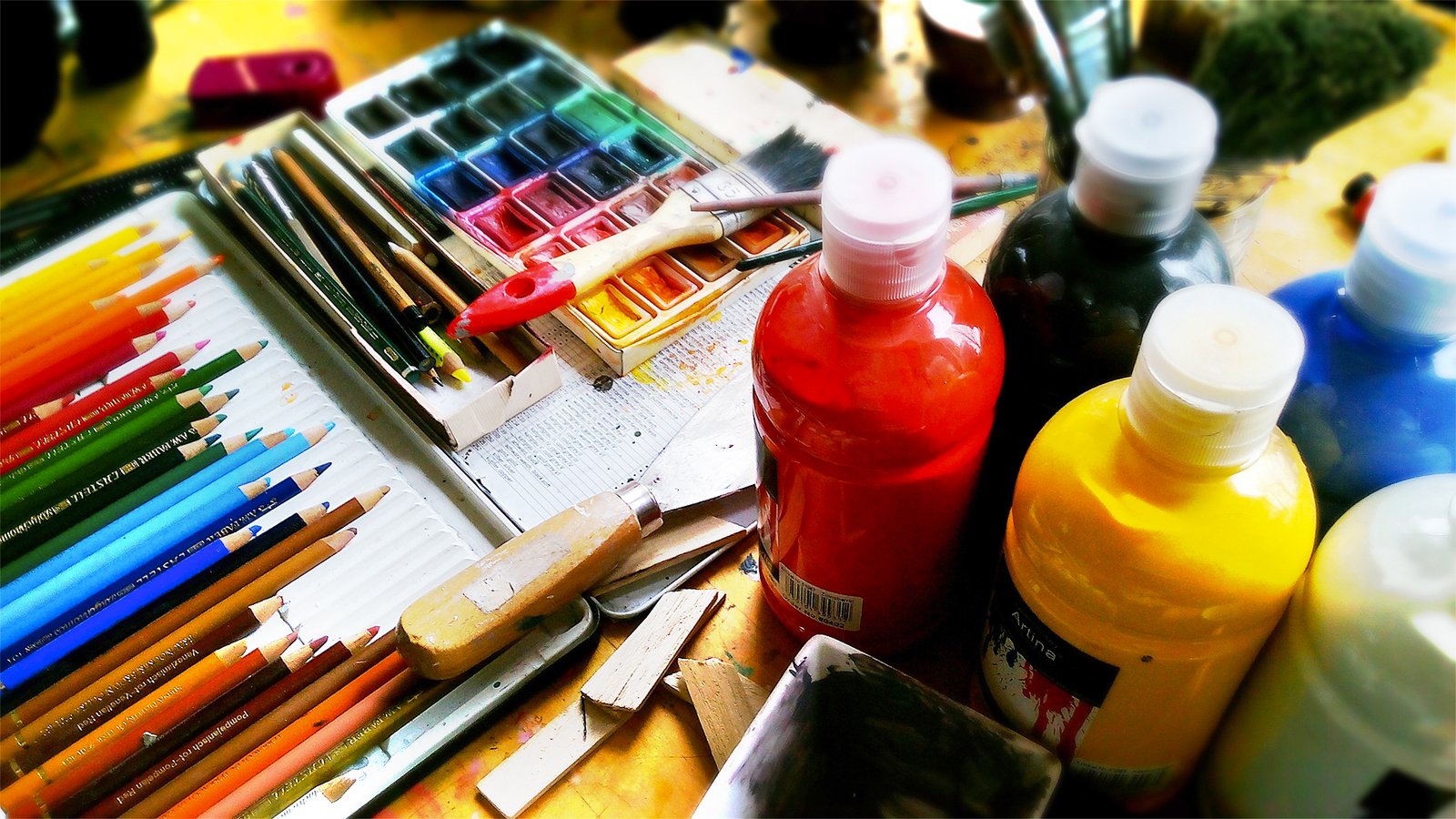
Material types
PVC is often considered for flexible labels, decals, and adaptable graphic surfaces. PET is commonly considered for durable labels, membrane layers, industrial graphics, and repeat-use interfaces. PC can suit graphic overlays, control panels, display windows, and surfaces that may require forming or embossing.
Transparent materials can support viewing windows, display areas, no-label-look effects, and protected visual zones. Specialty films can be reviewed when standard PVC, PET, or PC does not match the environment or functional requirement.
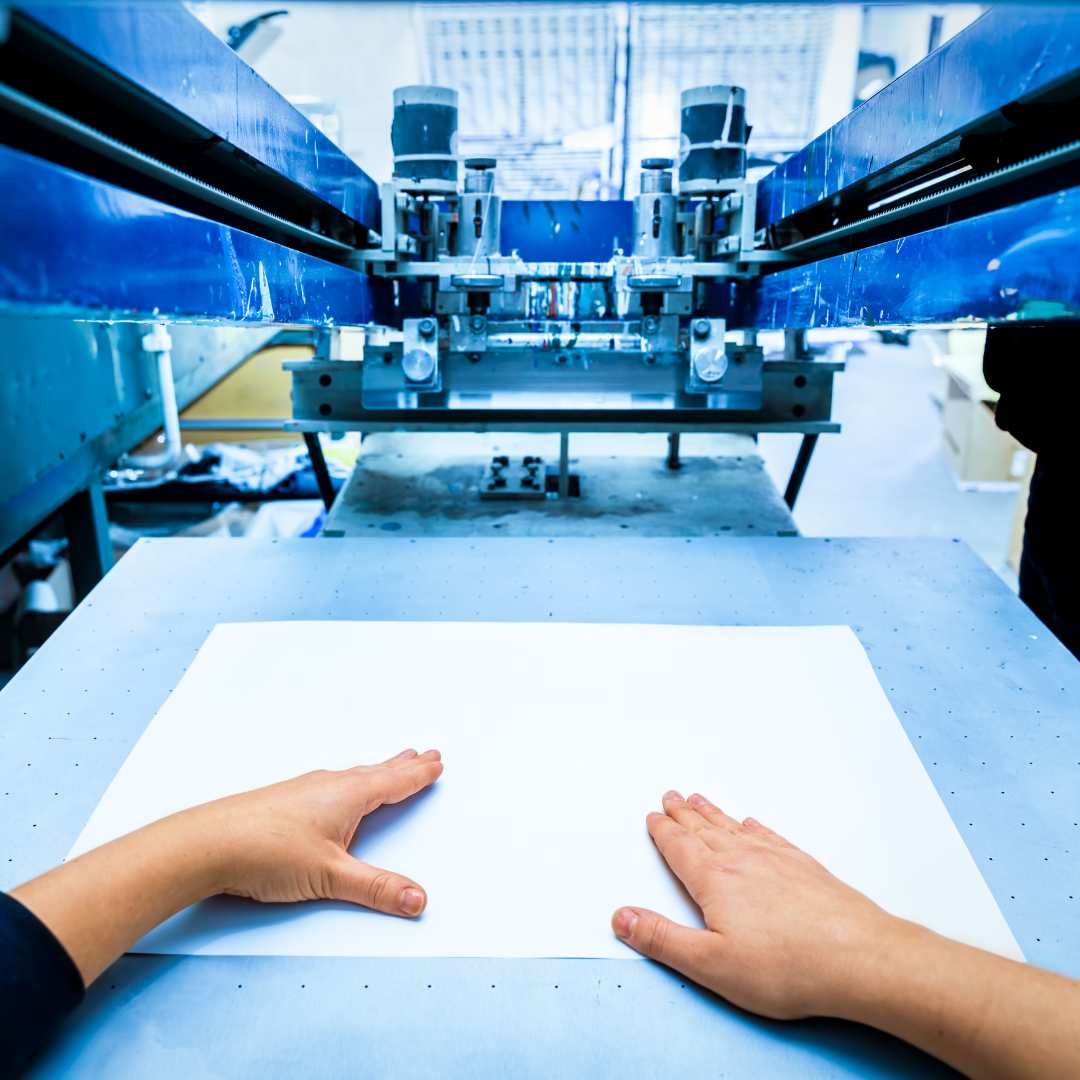
Key specifications
Specify PVC, PET, PC, clear film, metallic film, or specialty materials. Thickness is selected around flexibility, rigidity, print construction, embossing needs, and assembly. Surface textures include matte, glossy, textured, anti-glare, clear, and selective zones.
Screen printing, digital printing, reverse printing, lamination, UV coating, varnish, hard-coat options, and printed protective layers can be considered. Flat surfaces, embossed areas, tactile zones, windows, cut-outs, and die-cut shapes define the finished part.
Adhesive is selected for the product surface, installation process, and intended environment. Final formats include labels, overlays, membrane switch layers, control panels, nameplates, and product fascias.
Final material and process choices should be confirmed after reviewing the product surface, use environment, visual target, handling level, and installation method.
Common sourcing questions
The choice depends on product surface, flexibility, appearance, exposure, and functional requirements.

PET and PC can be considered for graphic overlays, control panels, and interface-related applications.
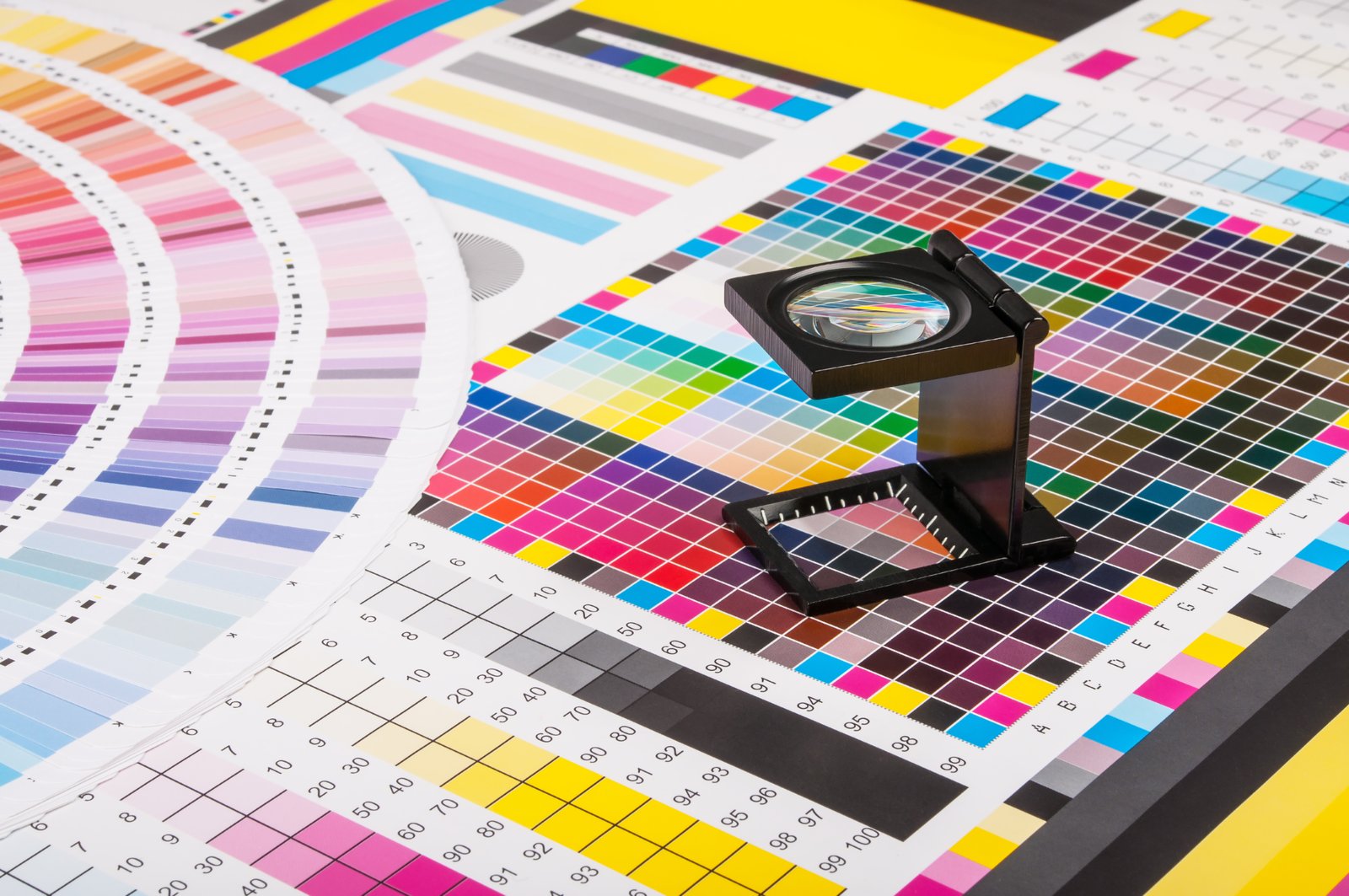
Matte, glossy, textured, clear treatments, lamination, and raised button embossing can be discussed.
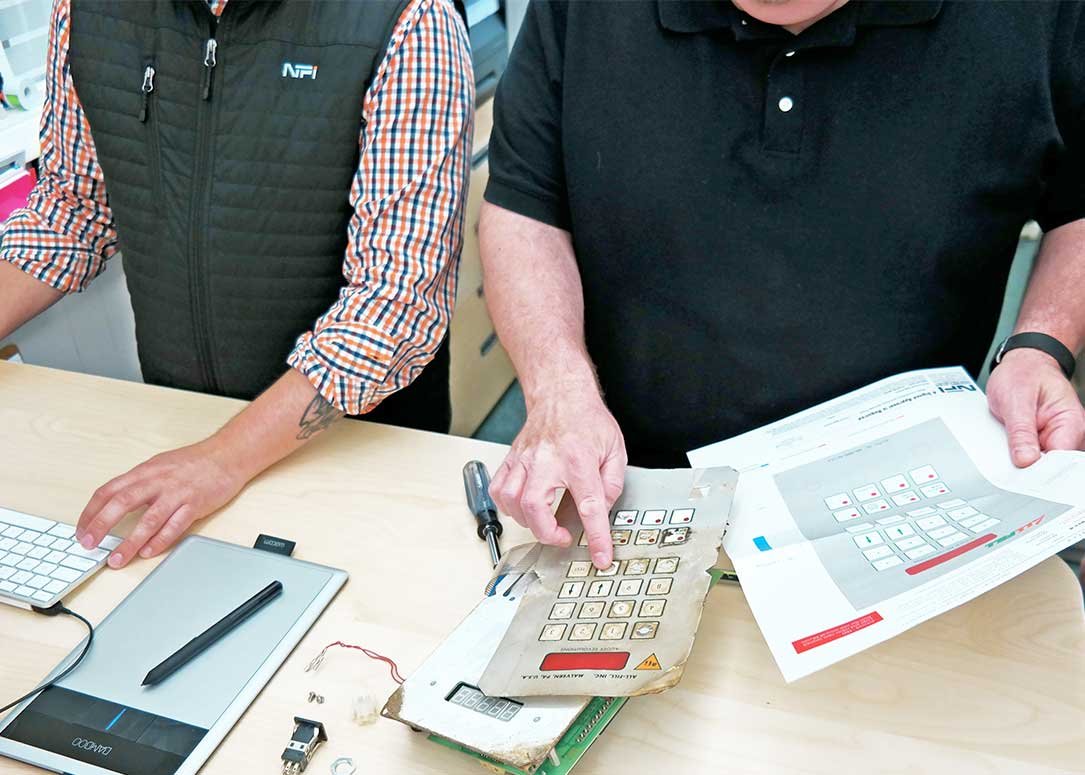
B2B project support
StikTec supports B2B material and process selection from early project review through repeat-order coordination.
Customize PVC, PET, PC, dimensions, holes, cut-outs, graphics, display windows, selective finishes, protective layers, embossed design options, adhesive backing, and final supply format.
Quality control and compliance
Quality checks confirm materials and finishing processes match approved requirements before shipment. Inspect material type, construction, artwork, color, symbols, text, print clarity, registration, texture, finish, dimensions, shape, holes, windows, cut-outs, embossing, coatings, and packaging.
If a project requires a material document, end-use standard, inspection method, or application test, provide it during inquiry for early review.
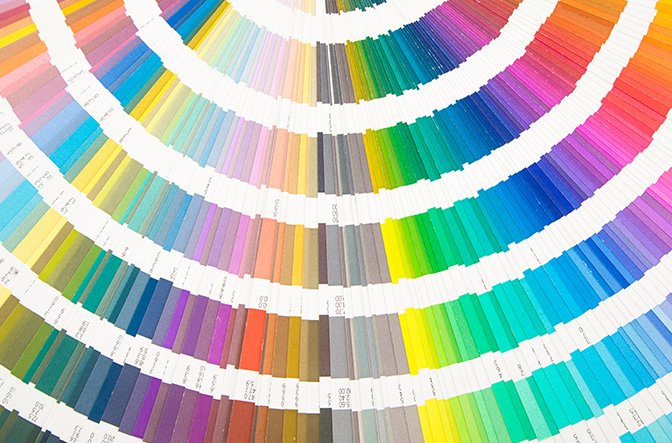
Applications
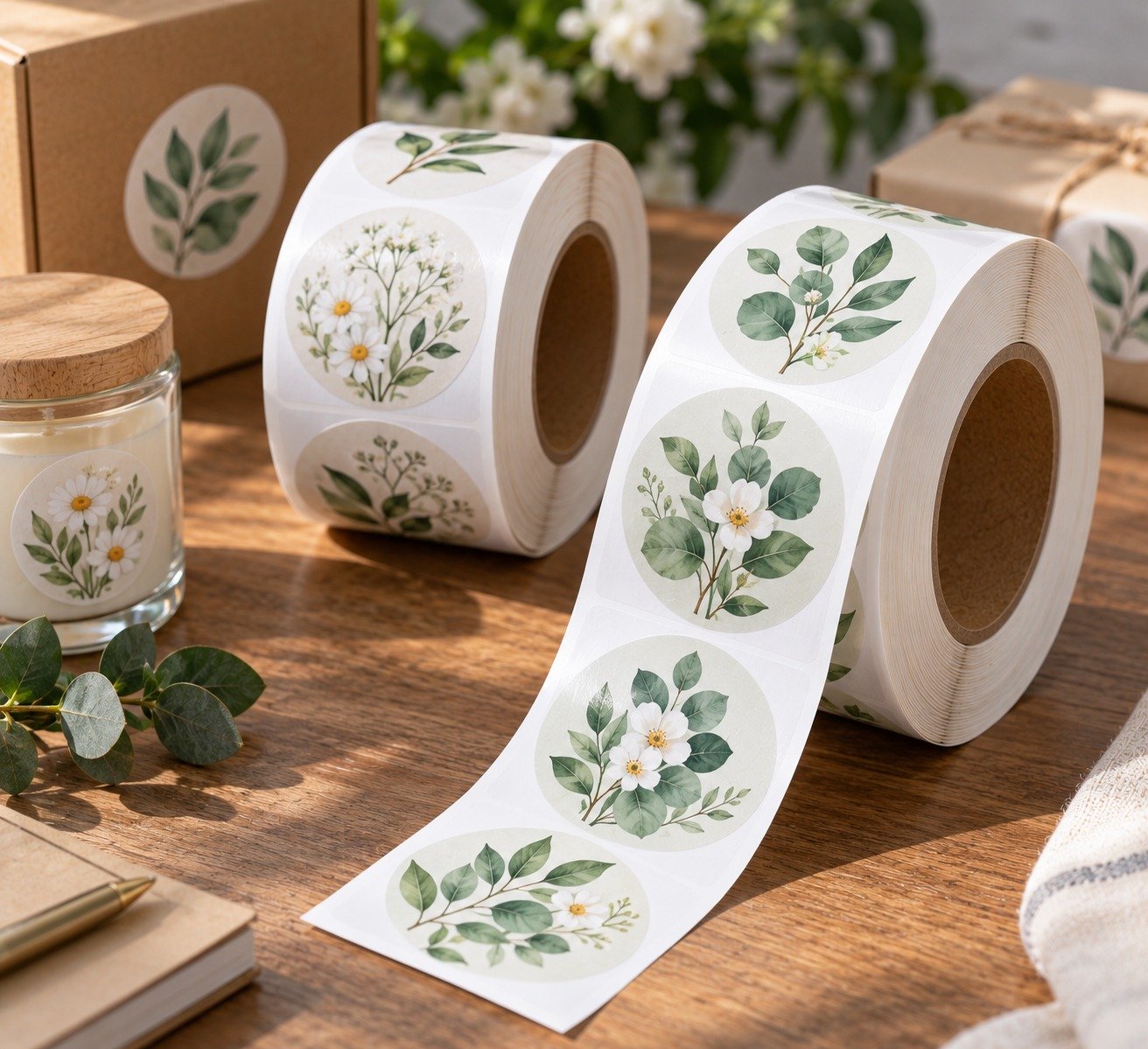
PET and PC for graphic layers, tactile areas, display windows, and interface surfaces.
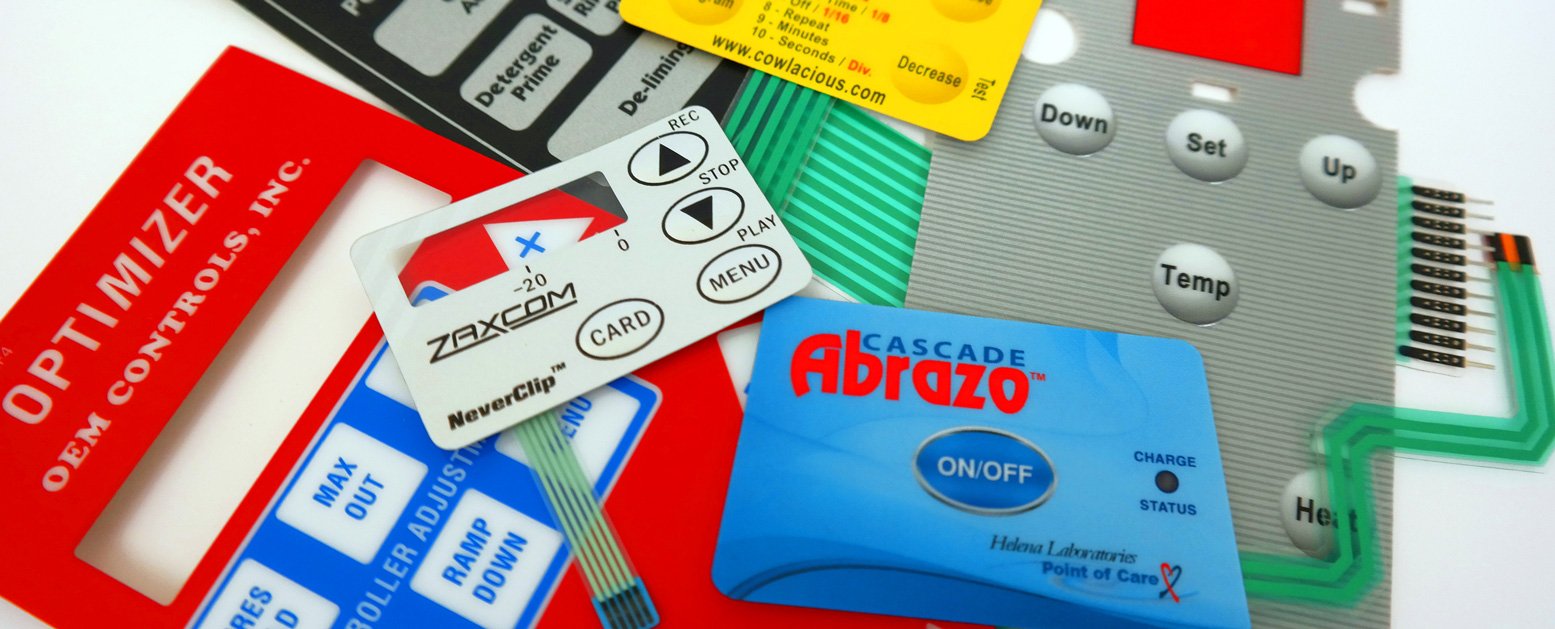
Printed and protected films for machine panels, appliance controls, and operator interfaces.
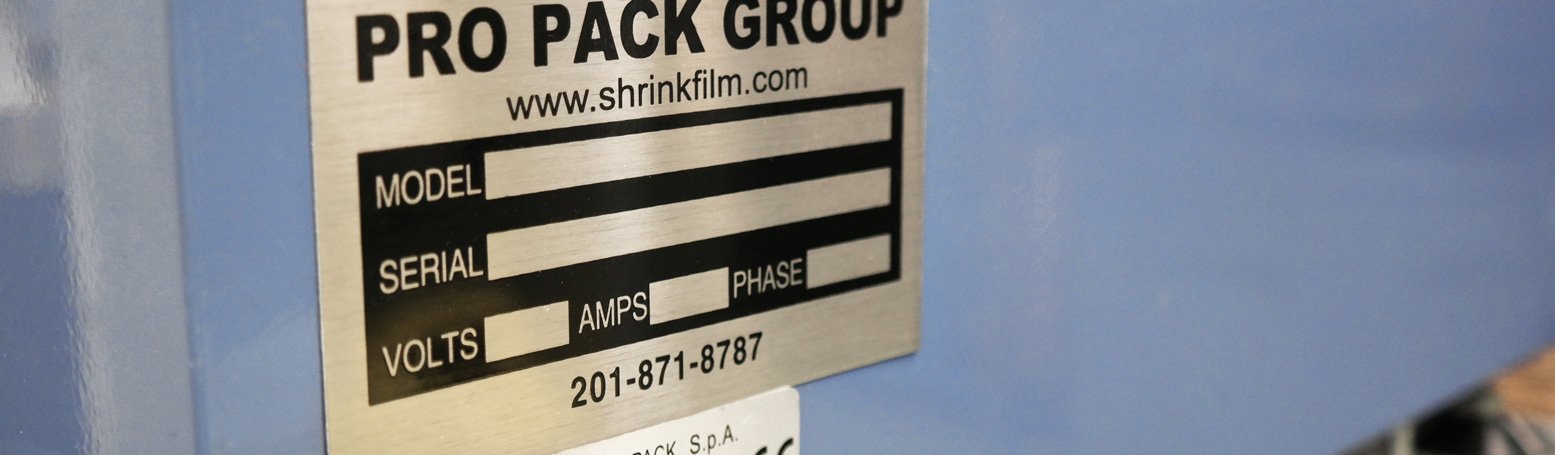
Material and finish options for identification, warnings, barcodes, and asset tracking.
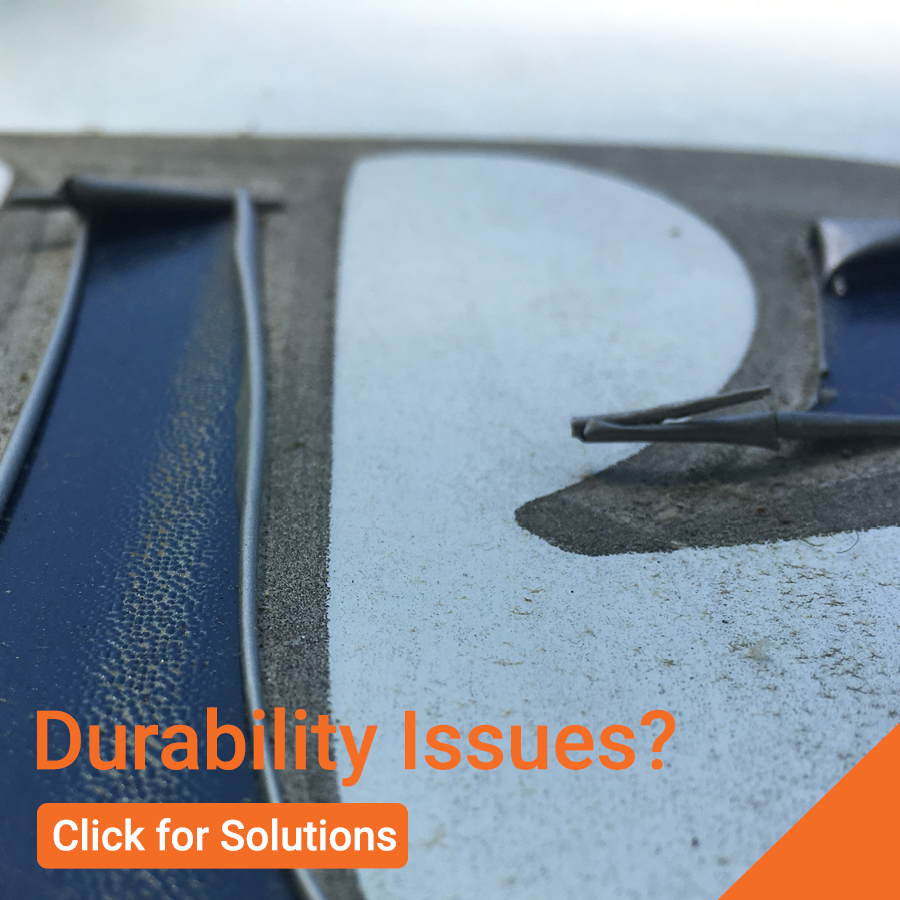
PVC, PET, clear films, and finishes for retail labels and consumer products.
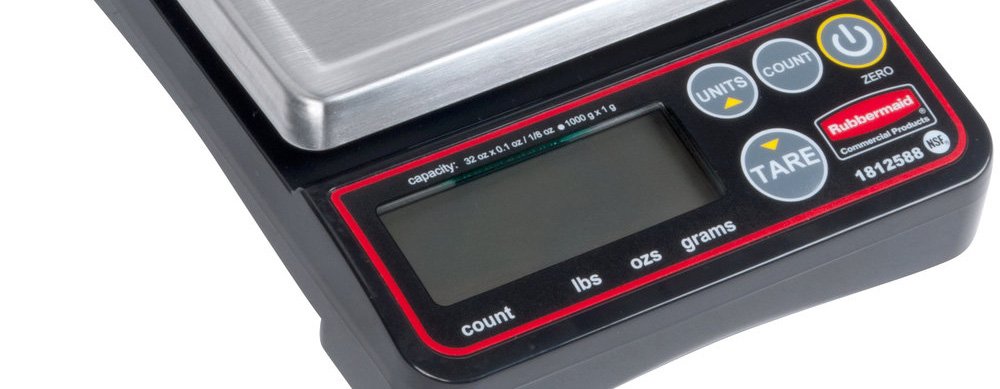
Printed materials with windows, textures, embossing, and protective treatments.
Product definition
Materials are the base films or substrates used to create a label, overlay, panel, or identification product. Processes are the printing, protection, cutting, forming, and finishing steps that turn the material into a finished component.
The material affects flexibility, appearance, transparency, print construction, and forming potential. The process affects graphic clarity, surface feel, protection, adhesion, tactile response, and final appearance.
PVC supports flexible graphics. PET supports durable labels and interfaces. PC suits overlays, panels, windows, and forming. Matte lowers reflection; glossy enhances color. Lamination adds a protective layer, UV adds selected surface treatment, and embossing defines raised tactile areas.
Material selection guide


Buyer trust and verification
Material samples help compare appearance, texture, flexibility, and transparency. Drawings and product photos identify practical requirements. Artwork review supports readable graphics and suitable process selection. Sample approval helps confirm material, finish, and fit, while approved requirements support consistent repeat orders.
Email: stik@stiktec.com
Phone: +86 13026625634
WhatsApp: wa.link/l98mzc
Address: No. 69, West Shipai Avenue, Shipai Town, Dongguan City, Guangdong Province
Frequently asked questions
Each material has different flexibility, appearance, surface, print, and forming characteristics. The correct option depends on the project.
PET can be considered for membrane switch and graphic-overlay projects based on the required construction and environment.
PC can be considered for applications that include formed or embossed graphic interface features.
Yes. Selective surface treatments can be discussed according to artwork and appearance requirements.
Request a quote
Tell StikTec about your material or finishing requirement. Share product type, artwork, dimensions, surface, environment, and required process for a more accurate recommendation.