Yes. Variable-data production can apply unique asset IDs, serial numbers, barcodes, and buyer-provided fields.
StikTec custom interface assemblies
Asset Tags for Factories
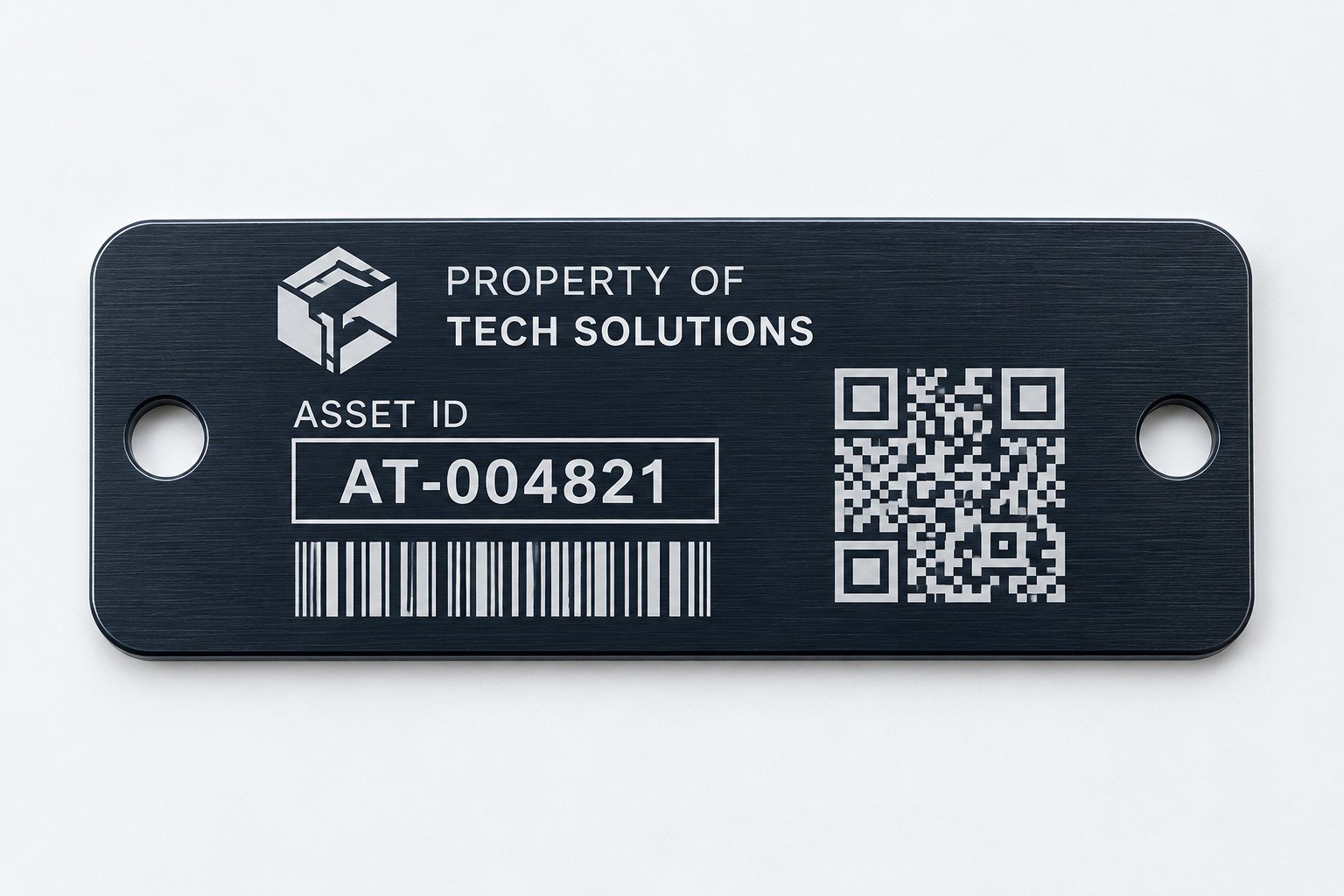
StikTec produces custom Asset Tags and Equipment Labels for inventory control, maintenance records, equipment tracking, owned assets, and product identification. Each component can combine variable data, asset IDs, barcodes, QR codes, readable text, logos, mounting features, and material construction selected around the equipment surface and service conditions. StikTec works with suppliers, manufacturers, and companies on application-specific production requirements.
- Asset IDs, inventory references, service fields, and variable data
- Barcodes, QR codes, Data Matrix, and readable backup text
- Metal and film materials reviewed around equipment conditions
- Adhesive, holes, rivets, and project-defined fixing options
Product specifications
Key Specifications
Asset Tags and Equipment Labels are specified around asset data, scan workflow, mounting surface, material, marking, and service conditions. Buyers are responsible for accurate variable data, code format, internal tracking rules, and final compliance requirements.
- Materials: Aluminum, stainless steel, polyester, polycarbonate, PVC, or project-approved materials.
- Data: Asset IDs, serial numbers, inventory references, service fields, location codes, lot data, and buyer-defined identifiers.
- Codes: 1D barcodes, QR codes, Data Matrix codes, and project-specified machine-readable formats.
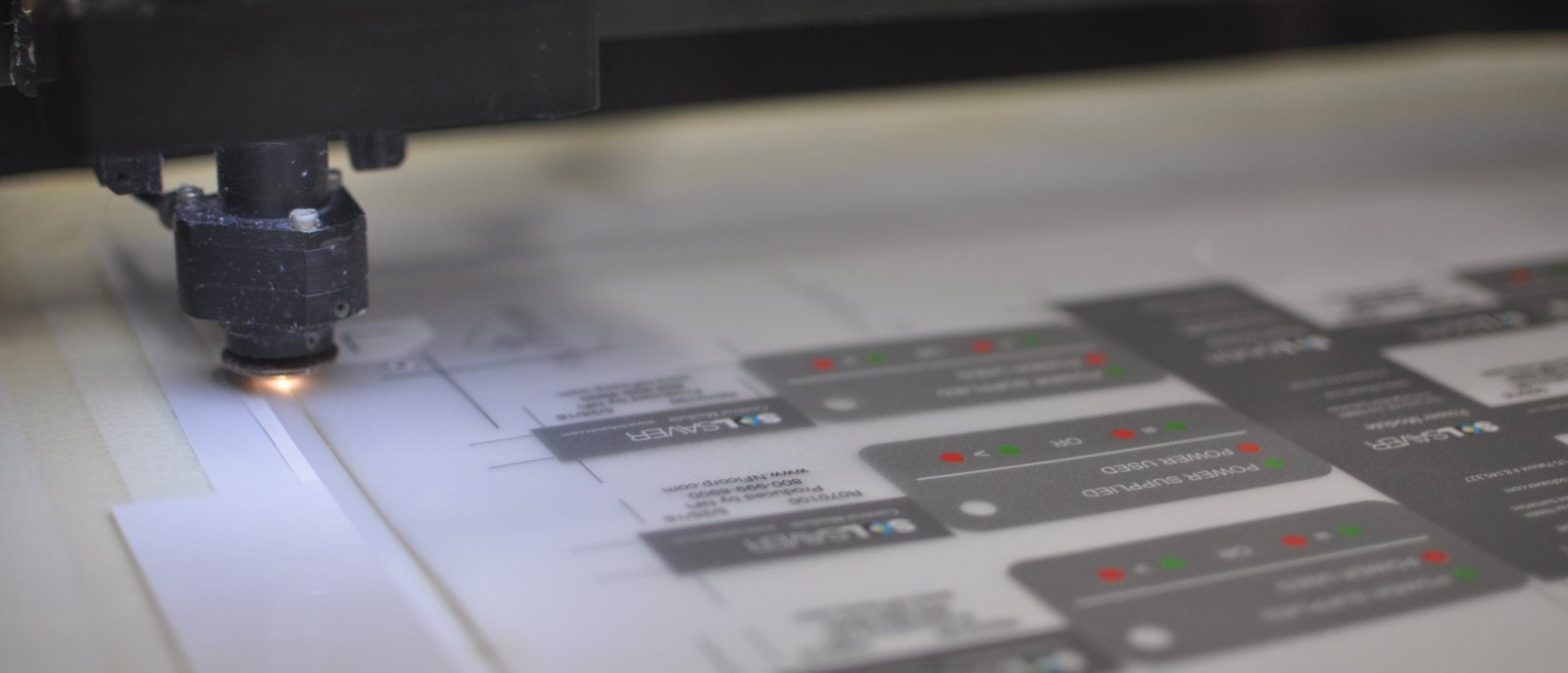
- Marking: Printed, laser-marked, engraved, etched, anodized, or project-approved methods.
- Surface and form: Matte, coated, brushed, coloured finishes, custom sizes, holes, slots, and cut-outs.
- Attachment: Pressure-sensitive adhesive, screw holes, rivet holes, mechanical fixing, or approved mounting options.
Final construction, dimensions, materials, installation method, and validation requirements should be confirmed from the approved drawing, housing, application environment, and sample review.
Common sourcing questions
Asset tag answers
Yes. QR, barcode, and Data Matrix formats can be included when content, size, scanning, contrast, and placement are defined.
Material depends on the equipment surface, environment, mounting, cleaning, handling, and expected service conditions.
Provide artwork, data file, dimensions, material preference, code format, mounting, environment, quantity, and approval requirements.
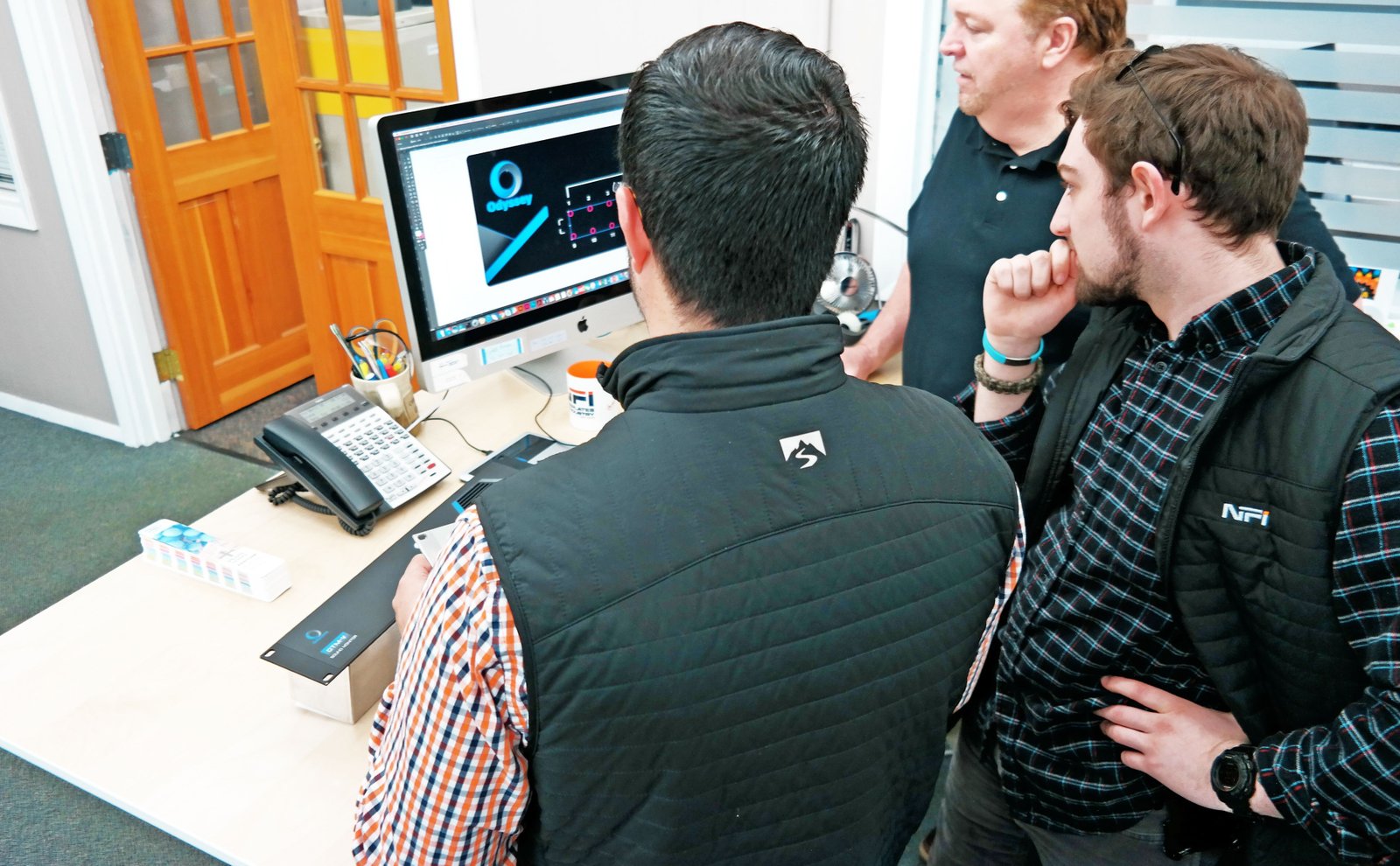
Sourcing risk support
Review the complete assembly.
StikTec helps procurement and engineering teams reduce risk by reviewing the visible surface together with the functional layers, housing fit, connection details, and expected operator use.
- Review data files for missing values, duplicates, incorrect sequences, and incomplete tracking fields.
- Confirm code size, scan distance, contrast, available area, readable backup text, and placement.
- Review material, finish, adhesive, mounting, equipment surface, abrasion, cleaning, and exposure conditions.
- Check first samples for appearance, data accuracy, code readability, and installed equipment fit.
Send a drawing, artwork, enclosure information, reference sample, and target quantity for a practical technical review.
OEM and ODM services
Custom asset identification support
StikTec supports Asset Tags programs for OEMs, manufacturers, companies, instrument makers, appliance brands, and industrial-equipment suppliers. We review the component around approved product requirements rather than making assumptions about the finished equipment.
- Asset IDs, serial numbers, service fields, location references, and buyer-supplied variable data.
- Barcodes, QR codes, Data Matrix, readable text, logos, and approved code formats.
- Metal and film material review with printed, laser-marked, engraved, etched, or approved processes.
- Tag size, placement, scan access, attachment, and equipment housing compatibility.
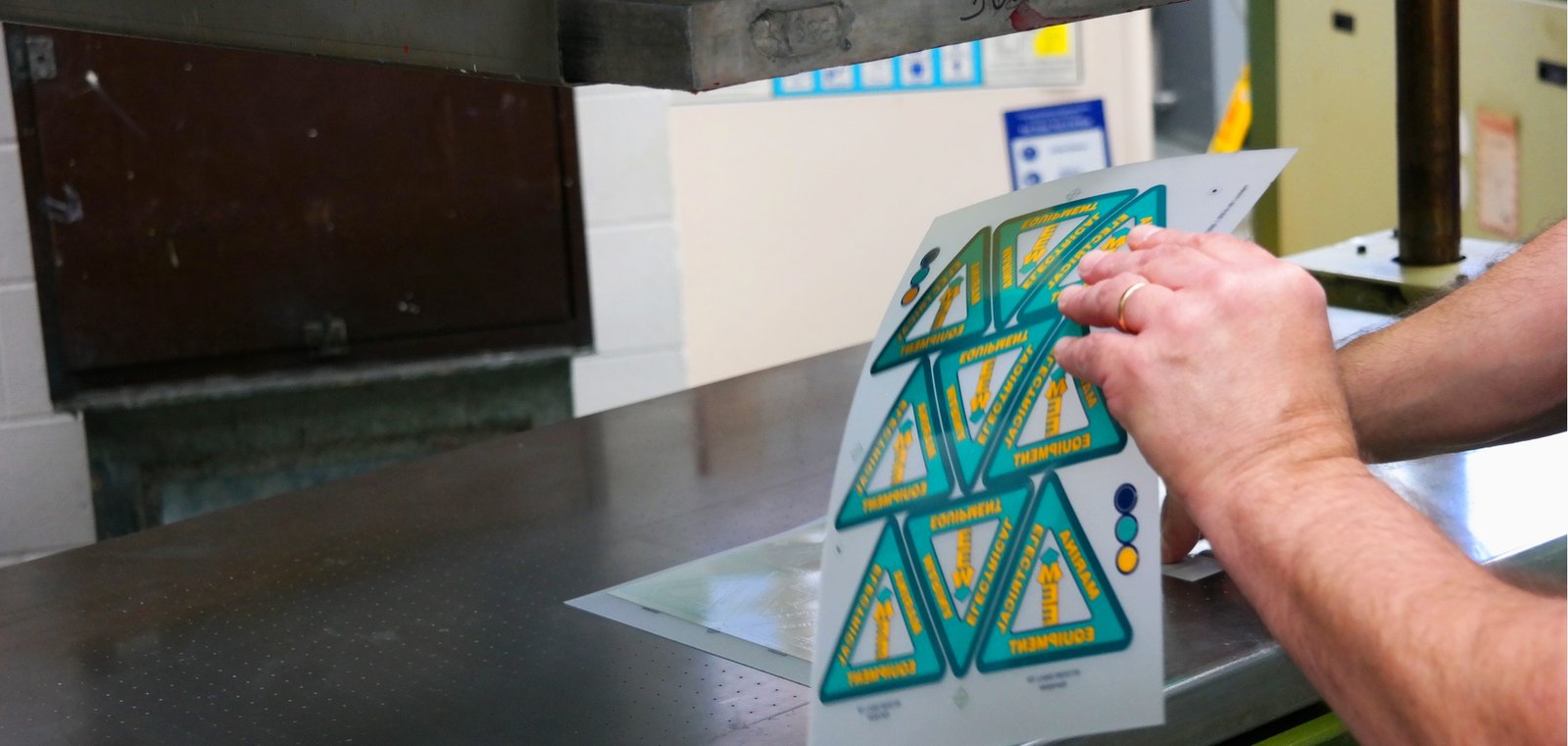
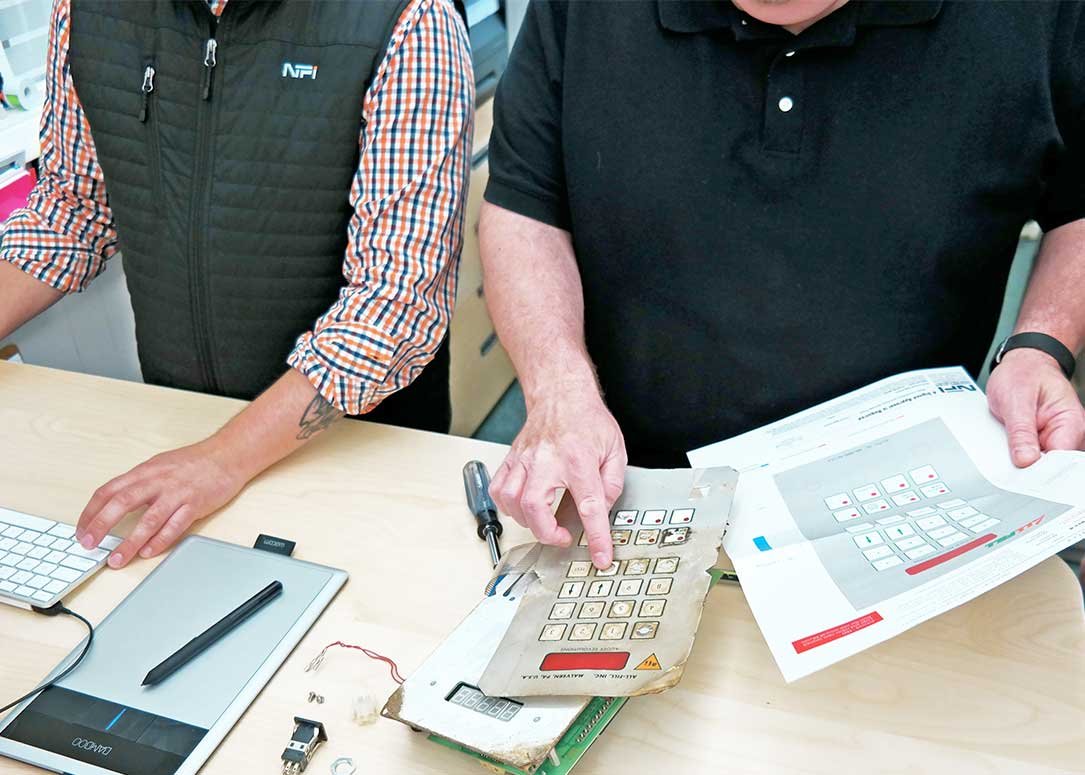
Custom process
Move from drawing to approval.
- Share project details: Provide drawings, artwork, housing information, application conditions, electrical functions, and quantity.
- Review construction: Confirm material, graphics, functional areas, installation, and component interfaces.
- Confirm artwork and features: Review legends, colours, windows, cut-outs, routing, and critical dimensions.
- Approve sample direction: Check appearance, fit, functional alignment, and assembly requirements.
- Produce components: Print, prepare layers, fabricate, assemble, inspect, and package to the approved scope.
- Record repeat details: Retain approved drawings, materials, component construction, and packing requirements.
Quality control
Check approved project details.
Quality checks help verify that Asset Tags components match the approved scope before shipment. Project-specific inspection criteria should be supplied during inquiry where required.
- Artwork, logos, legends, symbols, colour zones, and visible information review.
- Outline, key or window position, holes, cut-outs, and enclosure-fit feature checks.
- Material, surface finish, protective layer, adhesive, and component-alignment inspection.
- Functional, circuit, lighting, or connection checks when included in the approved scope.
- Quantity, packaging, and shipment-protection review.

Applications
Built around equipment use.

Industrial Assets
Inventory and maintenance tags for machinery, tools, and plant equipment.
Electrical Equipment
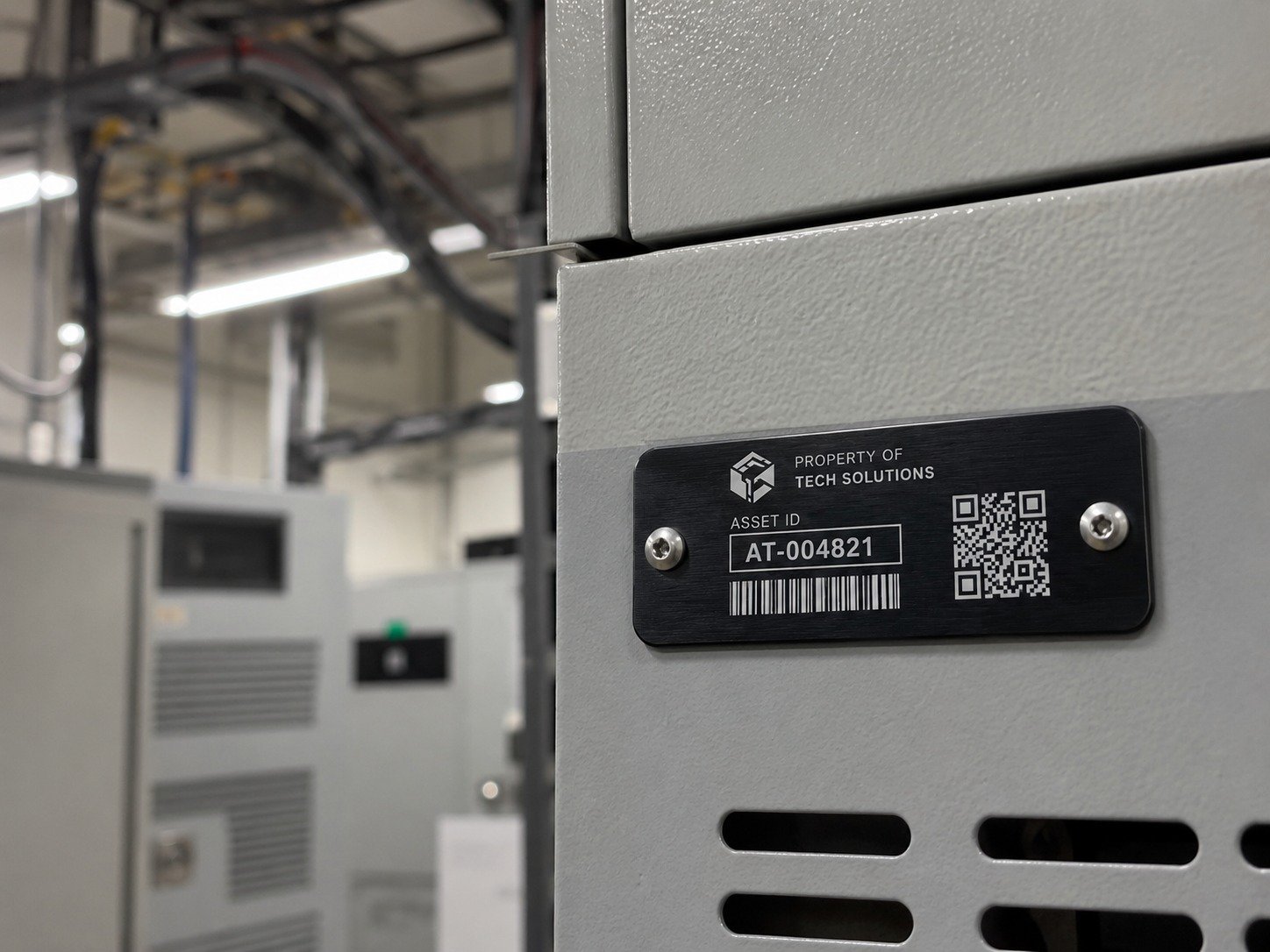
Tracking labels for enclosures, devices, panels, and installed systems.
Medical Devices
Buyer-defined tracking data, device IDs, maintenance references, and asset records.
IT Equipment
Asset labels for computers, network equipment, peripherals, and managed devices.
Warehouse Operations
Inventory identifiers for storage equipment, bins, tools, and logistics assets.
Outdoor Equipment
Tracking tags for vehicles, machinery, tools, and exposed installations.

Product definition
What is Asset Tags?
Asset Tags / Equipment Labels are custom identification components that link a physical item to an asset ID, inventory record, maintenance history, or buyer-defined tracking system. They can carry readable text, variable data, and machine-readable codes.
The correct tag construction depends on equipment surface, scan method, service environment, mounting, and the buyer’s approved data rules. Accurate buyer-supplied information is essential for variable-data production.
Key project elements
Key elements include a metal or film substrate, fixed artwork, asset data, barcode or QR code, readable backup text, finish, marking method, and adhesive or mechanical attachment.
Product comparison
Choose the right interface.
- Metal Asset Tag: machinery and exposed assets; review alloy, marking, and mounting.
- Polyester Equipment Label: smoother equipment surfaces; review adhesive, cleaning, and abrasion.
- Barcode Label: projects focused on scanner-based inventory and data workflows.
- QR Code Tag: projects using mobile scanning and data-rich links.
- Serial Number Plate: products requiring a unique manufacturer or product identifier.


Procurement checklist
Confirm before requesting a quote.
- Asset tag size, shape, mounting location, holes, adhesive area, and equipment surface.
- Fixed artwork, logo, visible text, variable fields, asset IDs, code type, and data-file format.
- Material, finish, scan method, environment, handling, cleaning, and expected service conditions.
- Prototype, quantity, sample approval, data accuracy, code readability, and installed fit.
Brand partnership
Work with StikTec.
StikTec works with B2B buyers who need Asset Tags aligned with real equipment, user-interface, electrical, and installation requirements. Communication can start with an approved drawing, reference sample, enclosure detail, product photo, or artwork package.
- Drawing and sample-based project review.
- Custom component manufacturing support for repeat-order programs.
- Practical communication with OEM sourcing and engineering teams.


Frequently asked questions
Asset tags and equipment labels FAQ
Yes. Each tag can carry unique buyer-provided variable data, barcode content, or QR information.
Yes. Adhesive, screw holes, rivet holes, or combined fixing can be specified.
Yes. Provide a clear, approved variable-data file and required sequence rules.
Approve artwork, dimensions, material, data, code format, mounting, sample appearance, and scan performance.

Project inquiry
Start Your Asset Tag Project
Tell StikTec about your project. Share your drawing, dimensions, artwork, housing details, functional requirements, material preference, quantity, and target timeline for a more accurate recommendation.
stik@stiktec.com
+86 13026625634
WhatsApp: wa.link/l98mzc
No. 69, West Shipai Avenue, Shipai Town, Dongguan City, Guangdong Province