
StikTec waterproof sticker guide
How to Make Waterproof Stickers That Last
To make waterproof stickers that last, choose a suitable film face material, compatible printing method, adhesive for the target surface, and a finish that supports the intended exposure. Then apply the sticker to a clean, dry surface and evaluate it under the real conditions it will face, such as splashes, condensation, handling, washing, or outdoor weather.
For B2B buyers, “waterproof” is a project requirement to define, not a material name that guarantees every outcome. The face material, printed image, adhesive, finish, cut edge, product surface, application method, and exposure all work together. A label that remains acceptable on a chilled bottle may not be suitable for repeated washing, immersion, detergents, strong sunlight, or rough handling.
In This Guide
- Water resistance, waterproof performance, washing, immersion, and outdoor exposure.
- Film materials, adhesives, printing, finishing, cutting, and application planning.
- Real-product testing, B2B ordering information, and practical waterproof sticker FAQs.
Overview
What Makes a Sticker Waterproof?
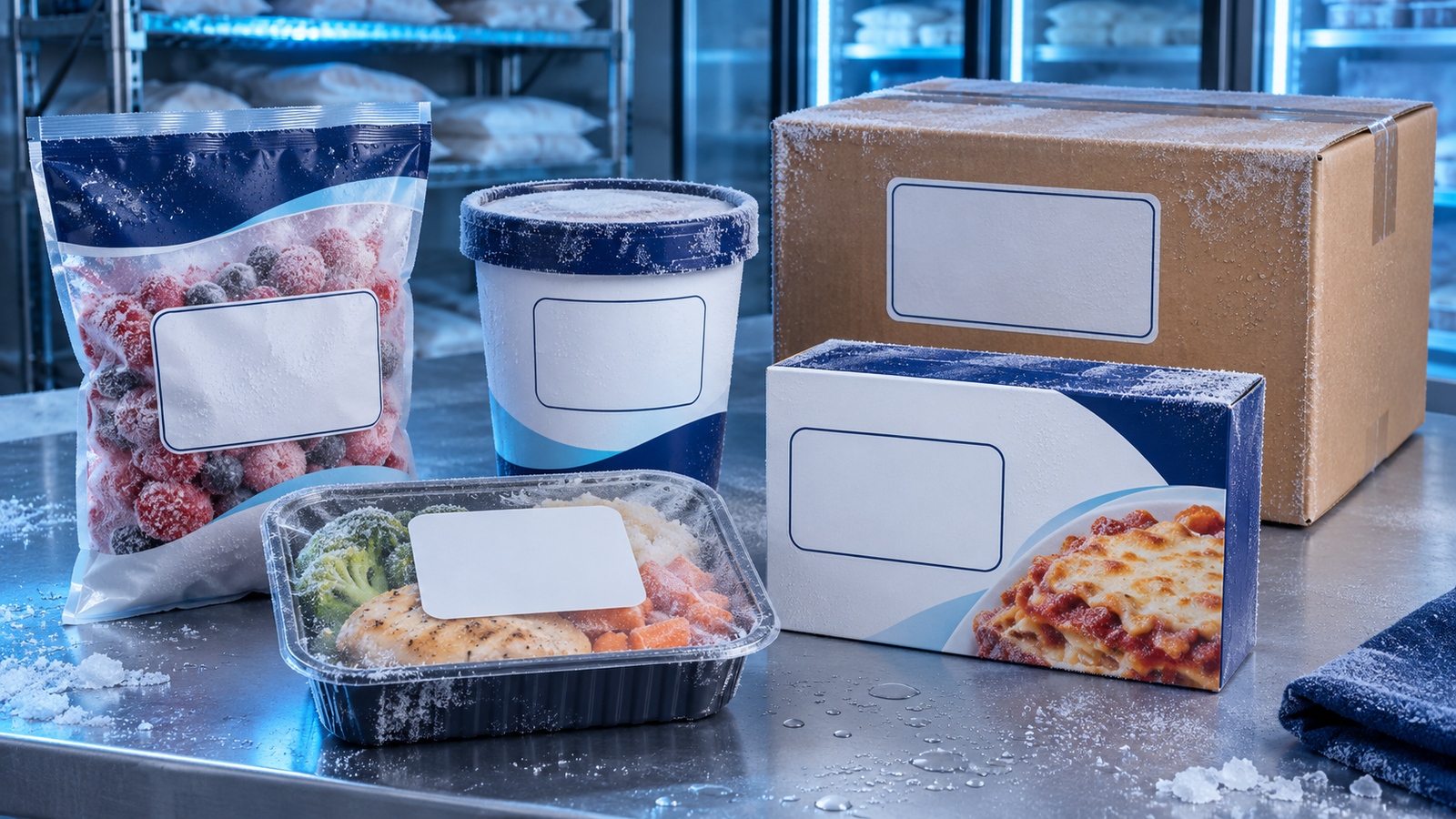
A meaningful waterproof specification starts with the exposure. A project may only need resistance to occasional splashes. Another may involve condensation after refrigeration, repeated hand washing, temporary immersion, rain, outdoor weather, or cleaning products. These conditions are not interchangeable, so a quotation or sample request should state what the finished sticker must face.
It is also helpful to separate a visual requirement from a functional requirement. A glossy clear label may suit the brand appearance, while the adhesive must suit the bottle resin and the finished print must remain readable in the planned environment. The complete construction needs review; a laminate alone does not make an unsuitable paper or adhesive universally waterproof.
| Exposure Type | What It Means | Planning Question |
|---|---|---|
| Occasional splash | Brief, light water contact. | Will the sticker be wiped dry after exposure? |
| Condensation | Moisture forms on a chilled surface. | Will the product move between temperatures or refrigeration? |
| Repeated washing | Water, temperature, handling, and possibly detergent recur. | How often, for how long, and with which cleaning process? |
| Immersion | The sticker is held under water for an agreed period. | What duration, temperature, and acceptance criteria apply? |
| Outdoor weathering | Rain, sunlight, temperature changes, abrasion, and dirt may occur. | Which actual conditions and service expectations apply? |
| Chemical contact | Detergents, alcohols, oils, or other substances touch the label. | Which substance, concentration, contact time, and frequency apply? |
Material choice
Choose Waterproof Sticker Materials for the Real Environment
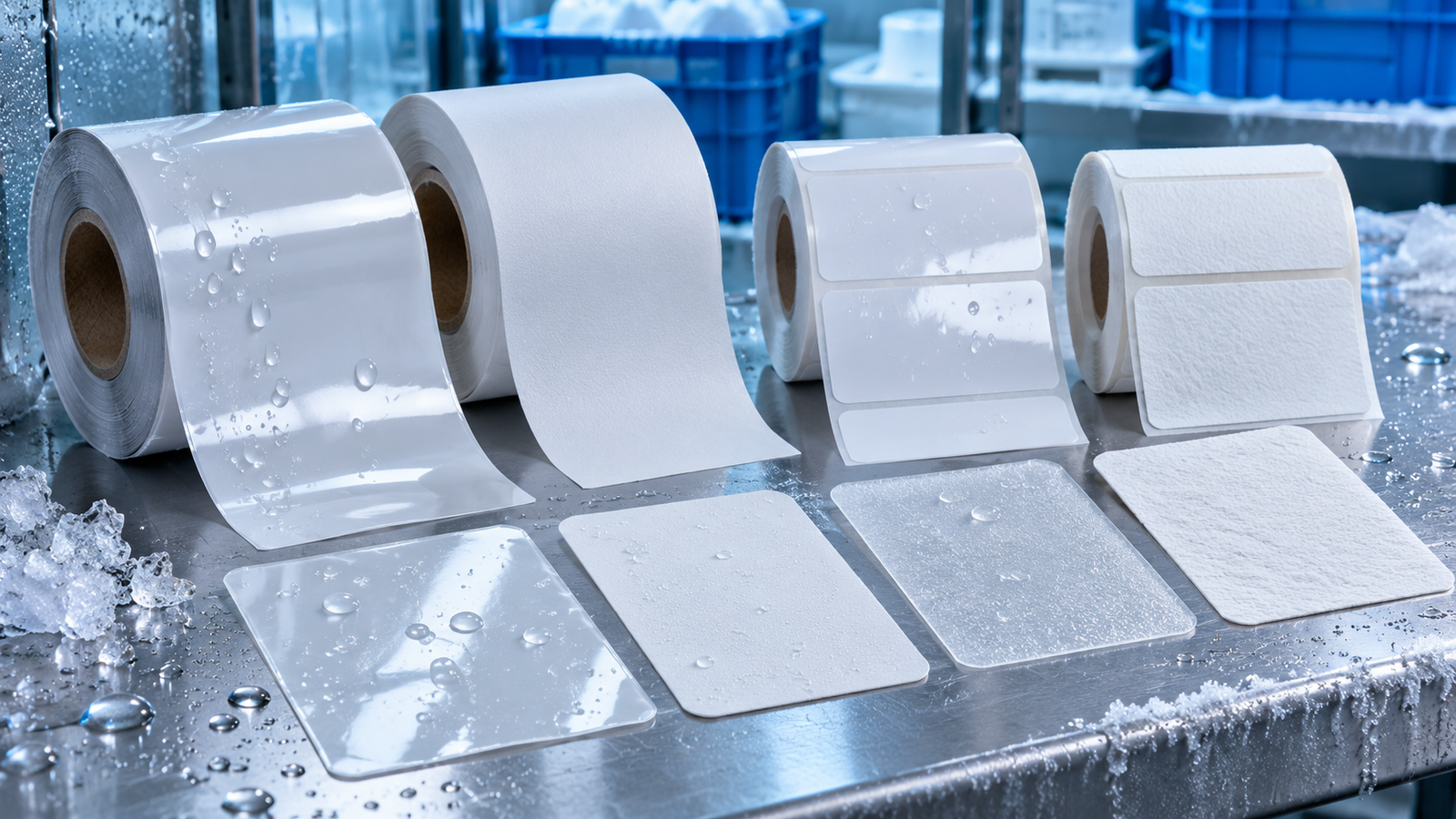
Film-based materials are often considered where a sticker will face moisture, but a film name does not answer the whole requirement. White film, clear film, PVC, PET, PP, PE, metallic film, and holographic film can each change opacity, flexibility, surface feel, label appearance, and converting decisions. The right direction depends on the target surface and exposure.
Paper labels can suit dry applications, packaging, and selected indoor uses, but paper should not be assumed suitable for persistent wet exposure. A finish may improve selected surface characteristics, yet it does not erase absorption, edge, adhesive, or application concerns. Likewise, not every plastic film is suitable for every outdoor, washing, chemical, or freezer requirement.
| Material Direction | Typical Consideration | Buyer Question |
|---|---|---|
| Paper sticker | May suit dry applications but can be unsuitable for persistent water exposure. | Will it encounter moisture, washing, or outdoor use? |
| White film sticker | Can provide opaque graphics and may suit selected wet-use conditions. | Does the complete construction meet the required environment? |
| Clear film sticker | Can show the product surface or package beneath. | Will text and graphics remain readable against that background? |
| PVC material | May be considered for selected flexible graphic applications. | Does it suit the surface, use environment, and market requirements? |
| PET material | May be considered for selected durable or identification applications. | What temperature, abrasion, and chemical conditions apply? |
| PP or PE film | May be considered for certain packaging and flexible surfaces. | Is the material sufficiently conformable for the application? |
| Metallic or holographic film | Provides decorative effects. | Does the artwork require white ink or opaque areas for readability? |

Adhesive selection
Match the Adhesive to Water Exposure
A suitable waterproof sticker adhesive has to match the actual surface and the conditions during application and use. Glass, PET, HDPE, PP, metal, coated paperboard, and painted surfaces can behave differently. Surface energy, texture, oils, coatings, flexing, curvature, and temperature changes all affect the bond.
Permanent and removable options should be selected around the required result. A removable campaign label needs a different conversation from a long-term product identification label. Condensation, detergent, product residue, and the time allowed for the bond to develop after application also matter. A label can look secure immediately after application yet need a defined period before the target exposure begins.
Adhesive questions to answer early
- What is the actual surface resin, coating, texture, and cleanliness?
- Is the sticker applied before or after filling, chilling, packing, or cleaning?
- Will the product bend, taper, wrinkle, or repeatedly flex?
- What water, detergent, oil, residue, or temperature changes occur?
- Is easy removal or minimal residue part of the defined requirement?
| Surface or Condition | Adhesive Planning Question |
|---|---|
| Glass bottle | Is there condensation, coating, oil, or repeated washing? |
| Plastic bottle | What resin, texture, flexibility, and surface condition apply? |
| Metal product | Is the surface painted, oily, textured, or exposed outdoors? |
| Flexible pouch | Will the package bend, wrinkle, or expand during use? |
| Curved container | Will the material and adhesive resist edge lift around the curve? |
| Refrigerated item | What are the application and storage temperatures? |
| Outdoor equipment | What rain, heat, UV, abrasion, and contamination occur? |
| Removable use | Must adhesive residue be minimized on the defined surface? |
Printed image protection
Use Lamination and Finishing Carefully
Lamination or varnish may protect the printed image, reduce scuffing, and change the visual finish. A gloss laminate can create a reflective appearance. A matte laminate can soften reflection. Varnish, metallic effects, UV embellishment, and embossing can support an agreed visual direction. Their role should be reviewed against the actual material and exposure rather than treated as a universal durability claim.
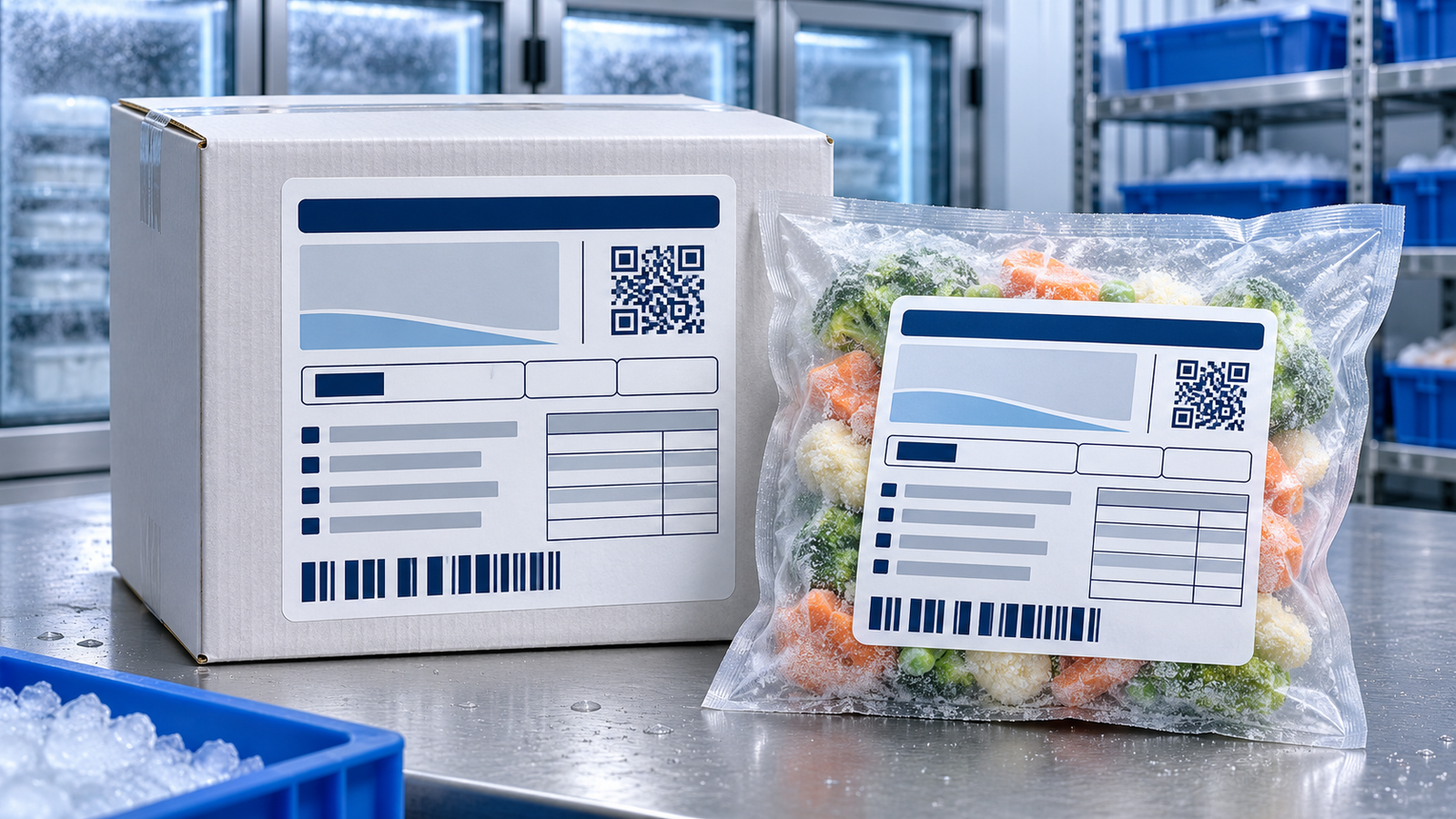
The printed image needs the same level of planning as the adhesive. Check contrast, white ink, barcode or QR code readability, visual hierarchy, handling, and any surface contact that could affect the print. If a label is intended for selected washing or outdoor applications, define the exact water, temperature, abrasion, and sunlight conditions instead of relying on broad finish terminology.

| Finish or Process | Possible Purpose | Buyer Question |
|---|---|---|
| Gloss laminate | Can create a shiny appearance and add surface protection. | Could glare affect text, barcode, or QR code readability? |
| Matte laminate | Can reduce reflection and add a softer appearance. | Does it meet the required handling conditions? |
| Clear protective film | May help shield graphics from moisture and abrasion. | Is it compatible with the underlying material? |
| Varnish | Can create a selected visual or surface effect. | Does it provide the protection needed for the application? |
| UV varnish | Can add gloss or visual emphasis. | Is it decorative, protective, or both? |
| Metallic finish | Adds a decorative appearance. | Will contrast and opacity remain sufficient? |
| Embossing | Creates texture or raised detail. | Will the finish remain suitable for cleaning or handling? |
Printing choice
Choose a Printing Method for Waterproof Stickers
The print method and ink system should suit the selected material and the expected exposure. Digital, flexographic, screen, and hybrid approaches can fit different artwork, quantities, opacity needs, data requirements, and finishing directions. No single method is the best choice for every waterproof sticker project.
Home printing may be useful for simple visual, size, or placement trials. It should not be treated as equivalent to a commercial waterproof sticker program. Commercial production can require controlled materials, inks, adhesives, finishes, conversion, and repeatability that go beyond a home printer and a self-applied laminate.
Print review checklist
- Confirm the selected material and printing compatibility.
- Define colour, opacity, white-ink, and variable-data needs.
- Review surface protection, handling, and required code readability.
- Approve an actual-size sample or proof before a larger production release.
| Printing Method | Potential Use | Project Consideration |
|---|---|---|
| Digital printing | Can suit selected short-to-medium runs, multiple designs, and variable data. | Confirm material compatibility, print durability, and finish requirements. |
| Flexographic printing | Can suit selected repeat and higher-volume sticker programs. | Confirm inks, materials, colours, tooling, and run requirements. |
| Screen printing | Can support selected ink coverage, opacity, or specialty effects. | Confirm ink, material, and finishing compatibility. |
| Hybrid process | Can combine methods for specific effects or requirements. | Confirm the full production scope and approval criteria. |
| Home printing | May help create simple visual or fit mock-ups. | Do not assume home ink and laminate meet commercial waterproof requirements. |
Artwork and geometry
Design Waterproof Stickers for Real Conditions
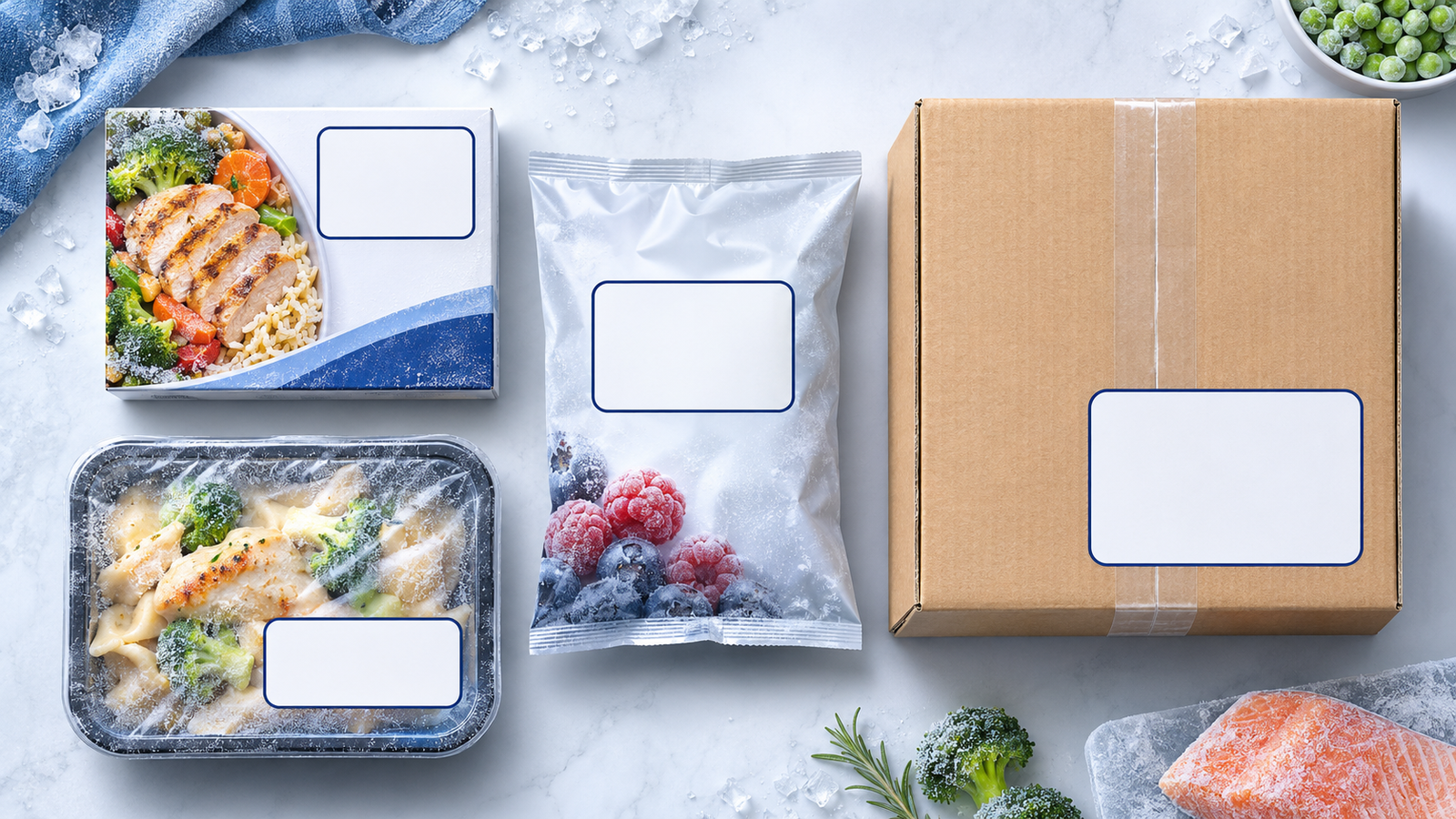
Artwork and sticker geometry influence long-term results. A large stiff label that crosses a tight curve may wrinkle or lift at an edge. Fine type near the cut line can be vulnerable to trim variation. A clear or metallic face material may need a controlled white-ink layer so important content remains readable on the actual product.
Design should be checked at the finished size, not only on screen. This is especially important for barcodes, QR codes, variable fields, legal or buyer-controlled product information, and small instructions. The buyer remains responsible for confirming applicable packaging, labeling, material, and market requirements for food, cosmetics, medical devices, chemicals, consumer products, and other regulated uses.
Design checklist
- Keep important text and graphics inside the safe area.
- Use appropriate bleed beyond the cut line.
- Avoid overly sharp outer corners where edge lifting is a concern.
- Confirm the shape suits curved or irregular surfaces.
- Use readable text, strong contrast, and clear barcode or QR-code zones.
- Place variable data away from high-wear edges and control artwork revisions.
| Design Feature | Why It Matters |
|---|---|
| Rounded corners | May reduce vulnerable sharp corners in some applications. |
| Safe margin | Protects key information from cutting variation and wear. |
| Cut line | Defines the finished sticker shape and edge exposure. |
| White ink layer | May improve opacity on clear or metallic materials. |
| Barcode area | Needs sufficient contrast, clear space, and readable size. |
| Text hierarchy | Helps required information remain clear at final size. |
| Sticker size | Must fit the product surface without crossing unsuitable curves. |
Application process
Apply Waterproof Stickers to Last
Even a well-chosen construction can fail when it is placed on the wrong surface condition. Dust, oils, moisture, frost, loose particles, product residue, and an unsuitable application temperature can affect adhesion. The agreed sticker may also need time to develop its bond before it is placed in a demanding environment.
- Confirm compatibility. Check the approved sticker construction against the actual product surface.
- Prepare the surface. Remove dust, oil, moisture, loose particles, and residue using a surface-appropriate process.
- Apply in suitable conditions. Keep the surface dry unless a different verified process is specified.
- Position and press. Apply at the agreed location, pressing from the center outward.
- Secure edges. Use even pressure around edges and corners to reduce trapped air and lifting risk.
- Allow bond development. Follow the selected material supplier’s guidance before demanding exposure.
Application Problems to Avoid
- Applying to wet, frosted, dusty, or oily surfaces.
- Placing a large stiff sticker across a tight curve.
- Applying below the selected adhesive’s approved temperature.
- Trapping air under the label or crossing seams, ridges, and package folds.
- Exposing a newly applied sticker to washing or heavy moisture too soon.
- Using an unapproved cleaning chemical on the target surface.
Validation
Test Waterproof Stickers Before Full Production
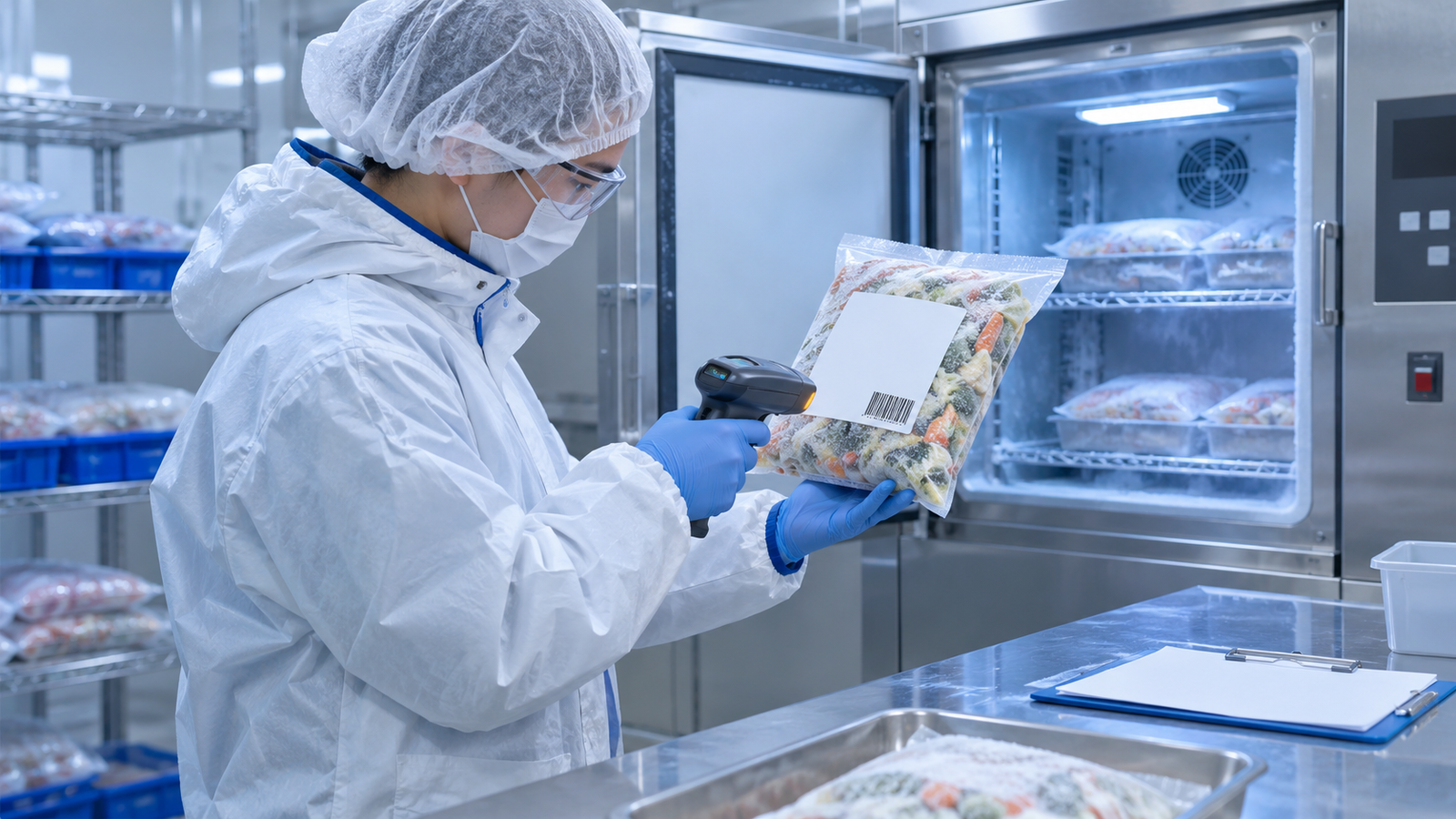
A physical test is necessary because actual surfaces, detergents, water temperature, application conditions, and handling can differ from a material datasheet. Testing the full construction on the real product is the practical way to decide whether the agreed sticker is acceptable for the specified application.
The test plan should describe the real use case. “Waterproof” alone does not define the duration, water temperature, detergent, abrasion, sunlight, exposure cycle, or acceptance criteria. Record what was tested so the final specification, artwork revision, material, adhesive, finish, and product surface remain connected.
- Define exposure. State the splash, wash, immersion, temperature, chemical, or outdoor conditions.
- Use a representative product. Apply the sample to the actual surface and geometry.
- Allow the agreed bond-development time. Avoid testing a newly applied label too early.
- Expose and inspect. Review adhesion, edges, print, colour, barcode, and QR-code readability.
- Record and approve. Capture the construction, conditions, results, and required revisions.
| Test Area | Example Question |
|---|---|
| Surface adhesion | Does the sticker remain attached to the actual product surface? |
| Edge performance | Do corners or edges lift after expected water exposure? |
| Print readability | Do text, colours, barcodes, and QR codes remain readable? |
| Water exposure | Does the sticker meet the agreed splash, wash, or immersion condition? |
| Temperature change | Does it remain acceptable after chilled, warm, or cycling conditions? |
| Chemical exposure | Does the application involve detergents, alcohols, oils, or other substances? |
| Abrasion | Does normal handling damage the printed surface? |
| Outdoor exposure | What sunlight, rain, temperature, and physical-wear conditions apply? |

Application comparison
Choose Stickers by Application
Different products call for different questions. A water bottle, a cosmetic container, a chilled beverage, an industrial item, and a shipping carton can all have moisture-related issues, but they should not receive the same untested material claim. The target surface, package geometry, moisture pattern, handling, and required information define the starting point.
These examples are planning prompts rather than product-performance guarantees. The final selection needs a project-specific review and, when performance matters, representative samples and tests.
| Application | Key Requirements to Define |
|---|---|
| Water bottle sticker | Bottle material, condensation, hand washing, handling, and curve. |
| Cosmetic container | Plastic or glass surface, moisture, product residue, and premium appearance. |
| Beverage bottle label | Refrigeration, condensation, bottle curve, product handling, and barcode needs. |
| Food packaging label | Moisture, cold storage, packaging surface, content, and market requirements. |
| Outdoor equipment label | Rain, UV, heat, cold, abrasion, oil, and target surface. |
| Industrial identification label | Surface, temperature, chemicals, abrasion, serial data, and service conditions. |
| Promotional sticker | Expected indoor or outdoor use, distribution format, and brand appearance. |
| Shipping or logistics label | Carton surface, moisture, barcode scanning, and warehouse handling. |
Problem prevention
Avoid Common Waterproof Sticker Problems
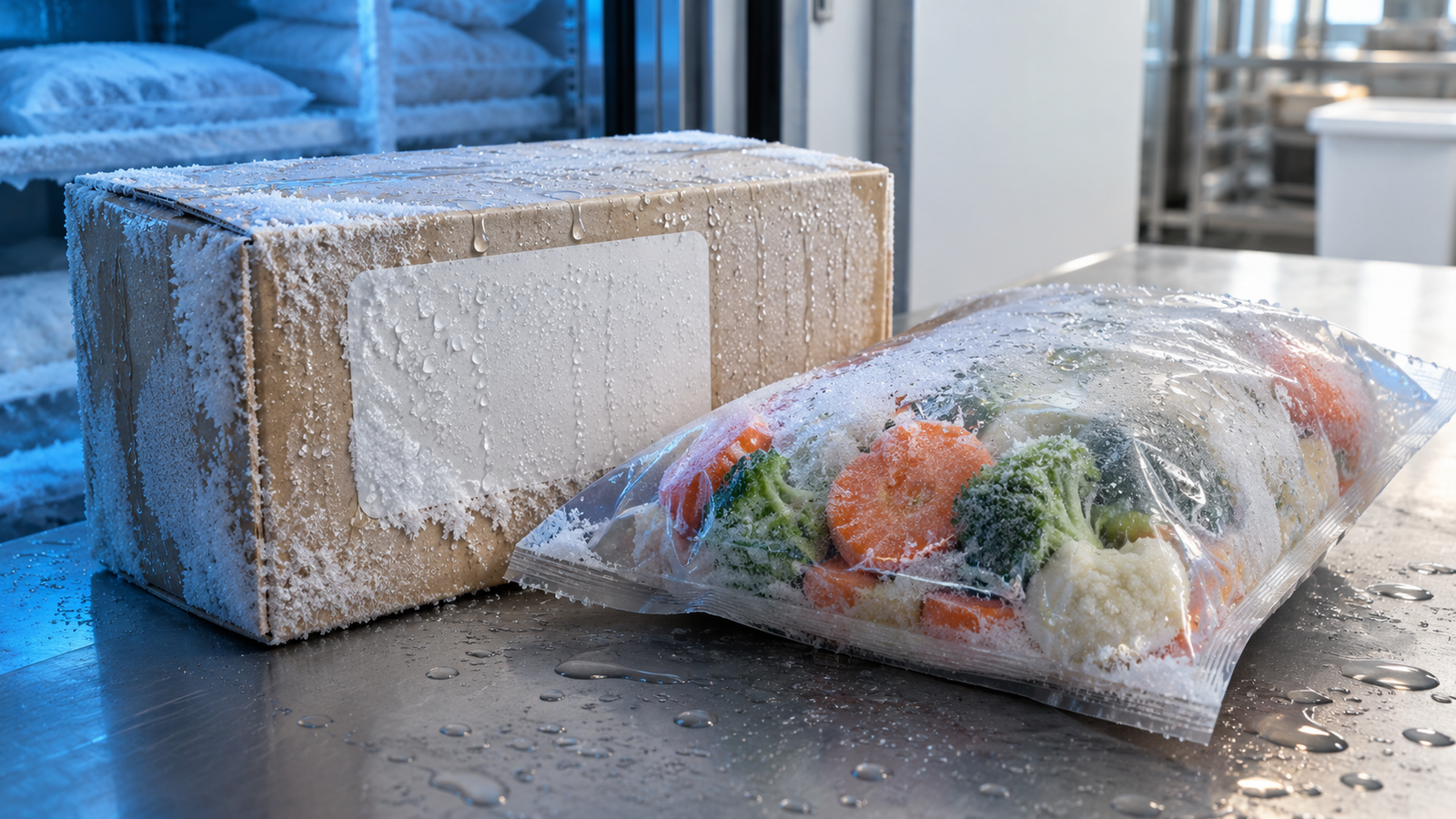
Most waterproof sticker failures are specification failures before they become production failures. A label may look acceptable in a dry office but lift after condensation, wrinkle on a curved bottle, lose readability after a cleaning process, or fail to scan because code contrast and quiet zones were not controlled.
A short technical brief is useful. It should state the product surface, application condition, water exposure, temperature, handling, dimensions, artwork, data, expected finish, delivery format, and approval method. This gives purchasing, packaging, design, and operations teams a shared basis for a sample and quotation.
| Common Problem | Better Approach |
|---|---|
| Paper sticker absorbs water | Start with a construction suitable for the expected moisture exposure. |
| Laminate protects the face but edges lift | Review adhesive, surface, cut shape, curve, and application conditions. |
| Sticker is applied to a wet surface | Apply to clean, dry packaging unless an approved alternative exists. |
| Printed image smudges or fades | Confirm print method, ink system, finish, and exposure conditions. |
| Sticker fails after washing | Define water temperature, detergent, duration, frequency, and bond-development time. |
| Sticker lifts from plastic | Confirm resin, surface energy, adhesive direction, and actual bottle condition. |
| Sticker wrinkles on a curve | Select suitable material flexibility, size, shape, and placement. |
| Barcode does not scan | Confirm code type, size, contrast, quiet zones, placement, and scan environment. |
B2B ordering guide
How to Order Waterproof Stickers
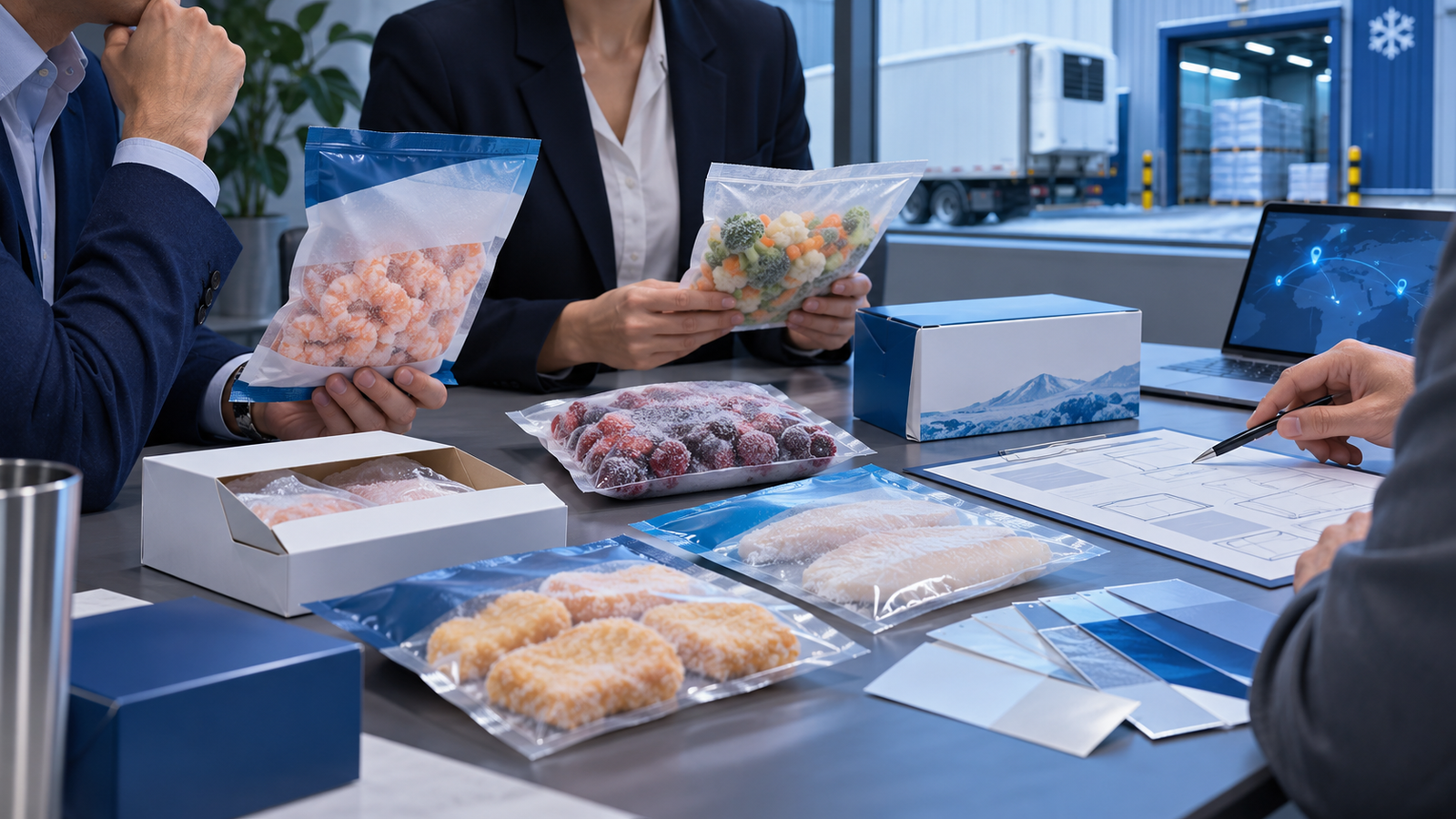
A complete order brief makes it easier to compare directions and maintain the approved construction later. Start with the product and use environment, then move through the material, adhesive, finish, artwork, format, testing, and delivery details. Ask for clarification when a project relies on terms such as waterproof, outdoor, freezer-safe, chemical-resistant, or dishwasher-safe; those terms need actual conditions behind them.
- Define the target surface and business application.
- Describe water exposure, washing, condensation, outdoor conditions, and other environments.
- Select finished size, shape, and cut type.
- Define material, adhesive, print, and finish requirements.
- Prepare artwork, including barcode, QR code, or variable data if needed.
- Choose individual, sheet, or roll delivery format.
- Request a sample, proof, test plan, or documentation requirement where appropriate.
- Approve the complete construction and artwork revision before production.
Information to Include in Your Inquiry
- Product or package surface material and sticker application point.
- Water exposure: splash, condensation, washing, immersion, rain, or another condition.
- Temperature, sunlight, abrasion, oil, detergent, and chemical exposure.
- Finished dimensions, shape, quantity, artwork versions, and preferred format.
- Material, adhesive, and finish preference where known.
- Artwork files, colour references, cut lines, barcodes, QR codes, batch codes, or variable-data rules.
- Hand or machine application details, packing, sampling, testing, and delivery requirements.
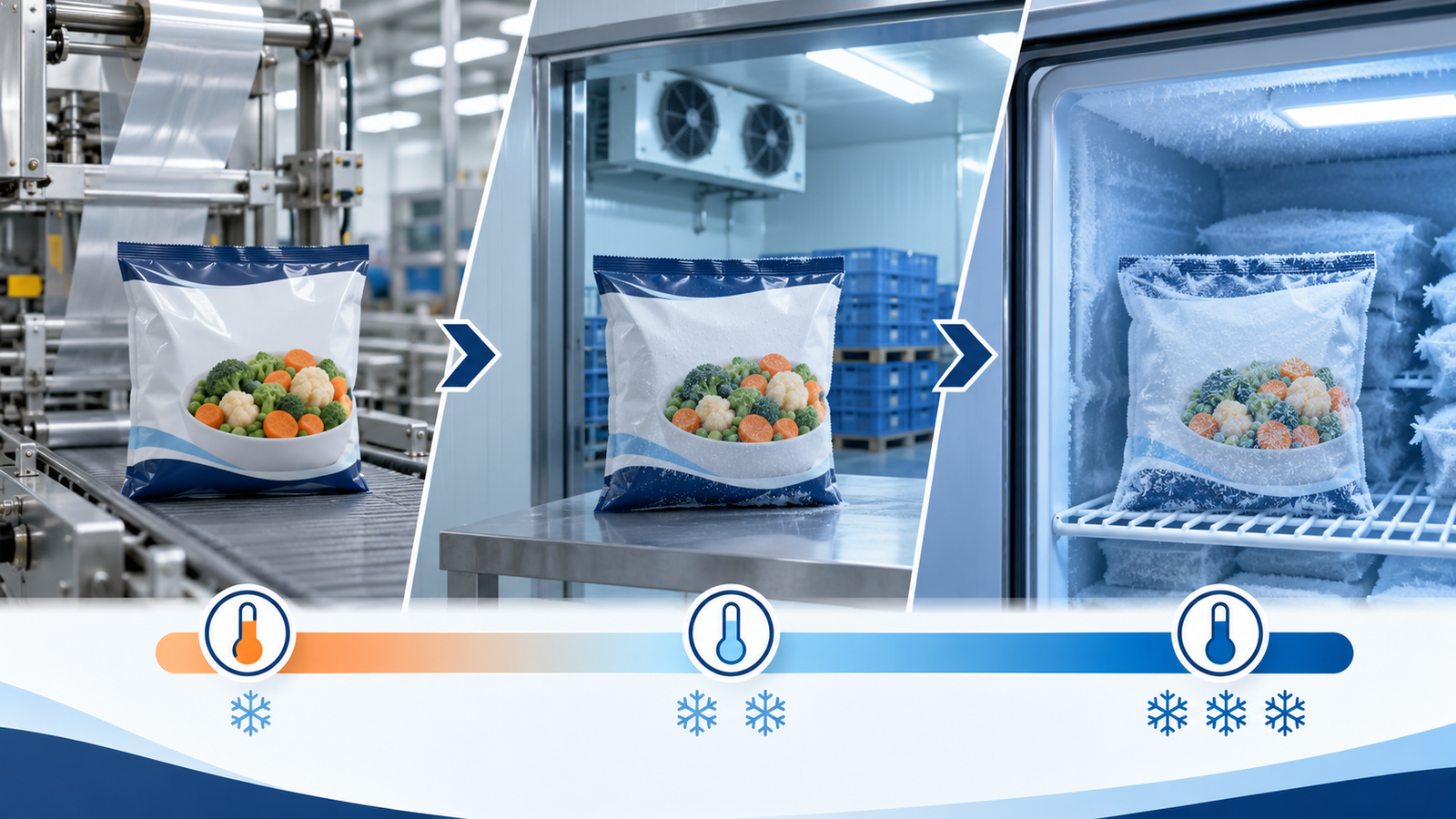
Frequently asked questions
Frequently Asked Questions About Waterproof Stickers
Use these concise answers to prepare a more complete waterproof sticker brief.
What makes a sticker waterproof?
Water performance depends on the complete construction: face material, ink or print system, finish, adhesive, cut edges, target surface, and exposure conditions. A project should define what “waterproof” means in practice, including splash, condensation, washing, immersion, rain, temperature, handling, and any cleaning substances. The right construction is confirmed against the real product and a representative test plan.
- Define exposure before selecting materials.
- Review material, adhesive, print, and finish together.
- Test the full construction on the actual product.
Are laminated stickers waterproof?
Lamination can help protect a printed face and change surface appearance, but it does not automatically make every sticker waterproof. The base material, adhesive, cut edges, application condition, and actual exposure still matter. A laminate may be a useful part of an agreed construction, yet it cannot convert an unsuitable paper or adhesive into a sticker suited to every wash, immersion, outdoor, or chemical condition.
- Use laminate as part of a construction review.
- Check edge exposure and surface bonding.
- Confirm the actual use environment.
Can paper stickers be waterproof?
Paper is generally more absorbent than film materials. A protective finish may improve selected surface characteristics, but paper should not be assumed suitable for persistent wet exposure without project-specific confirmation. The target surface, exposure type, cut edge, adhesive, print, and expected handling should be evaluated together. A dry retail carton and a chilled bottle are different applications even when they use similar artwork.
What material is best for waterproof stickers?
There is no universal best material. PVC, PET, PP, PE, clear film, white film, and other selected films may be considered, but the appropriate direction depends on the surface, flexibility, adhesive, print method, finish, exposure, and application requirements. Ask whether the sticker must face condensation, washing, rain, abrasion, sunlight, chemicals, or a controlled production workflow before choosing a material.
Are waterproof stickers dishwasher-safe?
Washing exposure involves water temperature, detergent, abrasion, duration, frequency, drying, and adhesion conditions. “Waterproof” alone does not establish dishwasher suitability. If dishwashing is part of the requirement, describe the wash cycle and expected number of exposures, then test the complete approved construction on the actual product before full production.
How do I keep waterproof stickers from peeling?
Peeling risk is affected by adhesive selection, target surface, cleanliness, application temperature, pressure, curve, edge design, and bond-development time. Apply the sticker to a clean, dry compatible surface unless another verified process is specified. Avoid assuming that a stronger adhesive alone resolves every issue; material flexibility and label size can matter on curved or flexible packaging.
Can waterproof stickers include barcodes and QR codes?
They can, provided the code type, data, size, contrast, quiet zones, placement, and scan environment are defined. A waterproof finish does not automatically guarantee scan performance. Review the code at final size, on the final material and product background, and after any relevant exposure or handling test. Keep controlled source data separate from artwork approval.
Can StikTec provide custom waterproof stickers?
Contact StikTec with your product surface, water exposure conditions, dimensions, quantity, artwork, material needs, and required delivery format. Available constructions and project requirements should be confirmed for the specific inquiry. Include the expected water, washing, temperature, abrasion, chemical, and application conditions so the project can be discussed on a complete basis.
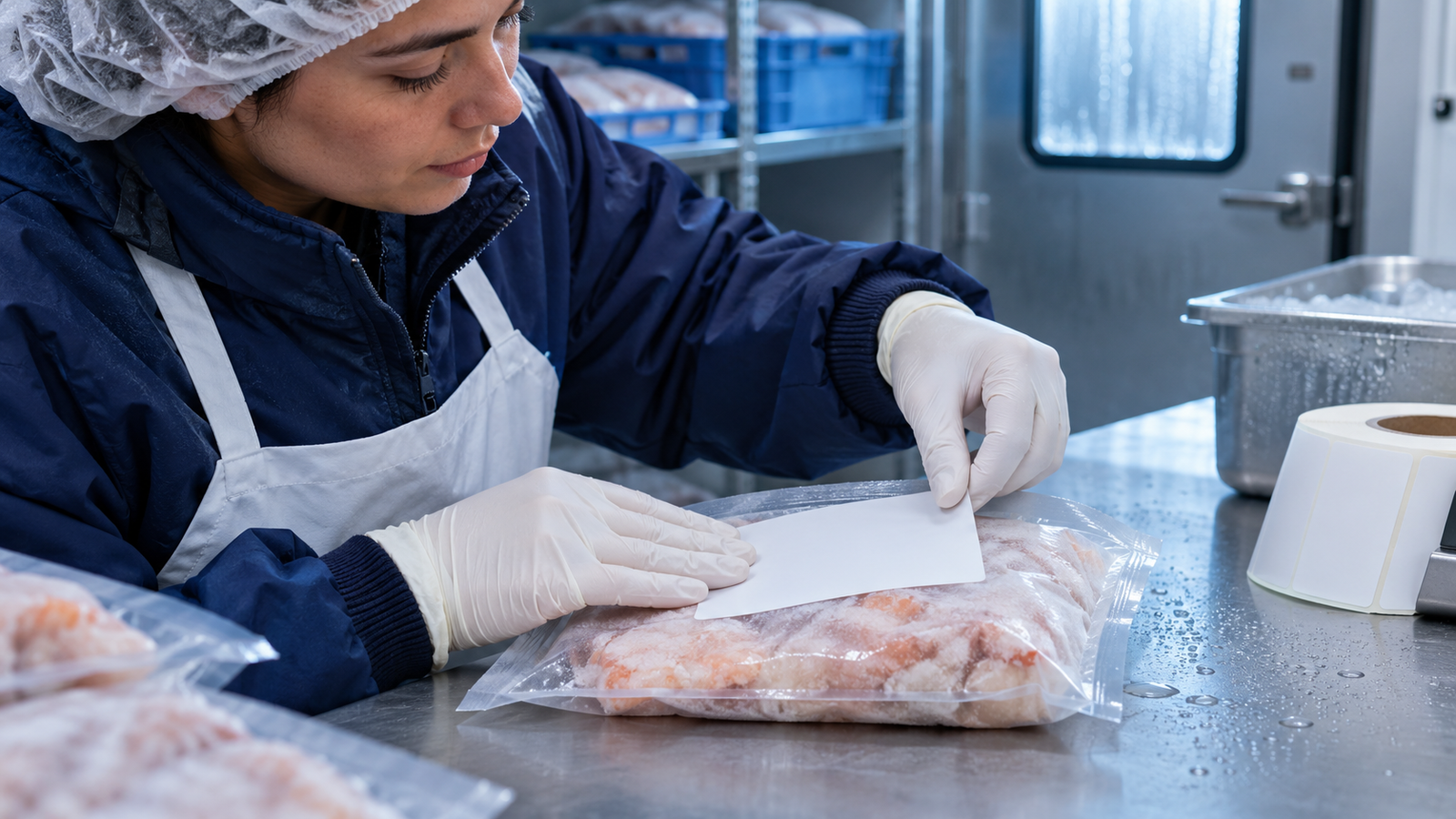
Summary
Make Waterproof Stickers That Match the Real Use Case
How to make waterproof stickers starts with defining the real water exposure instead of relying on a broad claim. Select the face material, adhesive, printing, finish, and cut type as one construction. Apply the approved sticker to a clean, dry, compatible surface under suitable conditions, then allow the adhesive to establish its bond before demanding exposure.
Use the actual product to test the approved construction for adhesion, edge performance, print readability, barcode scanning, water contact, temperature changes, handling, and any relevant detergent or chemical contact. Keep the approved artwork, material, adhesive, finish, and revision controlled for repeat production. Contact StikTec to discuss a custom waterproof sticker project with your product surface, conditions, dimensions, artwork, quantity, and required delivery format.
Discuss a waterproof sticker projectProject inquiry
Discuss Your Waterproof Sticker Project
Share your product surface, water exposure conditions, sticker size, quantity, artwork, material requirements, and delivery format. StikTec can review the project details with you.
Related articles
Related Sticker Printing Guides
 Sticker printing
How to Print Stickers: Materials and Methods
Learn how material, adhesive, printing, finishing, and cutting choices shape custom sticker performance.
 Business stickers
How to Make Custom Stickers for Your Business
Plan branded stickers for packaging, promotions, retail, fulfillment, and product identification.
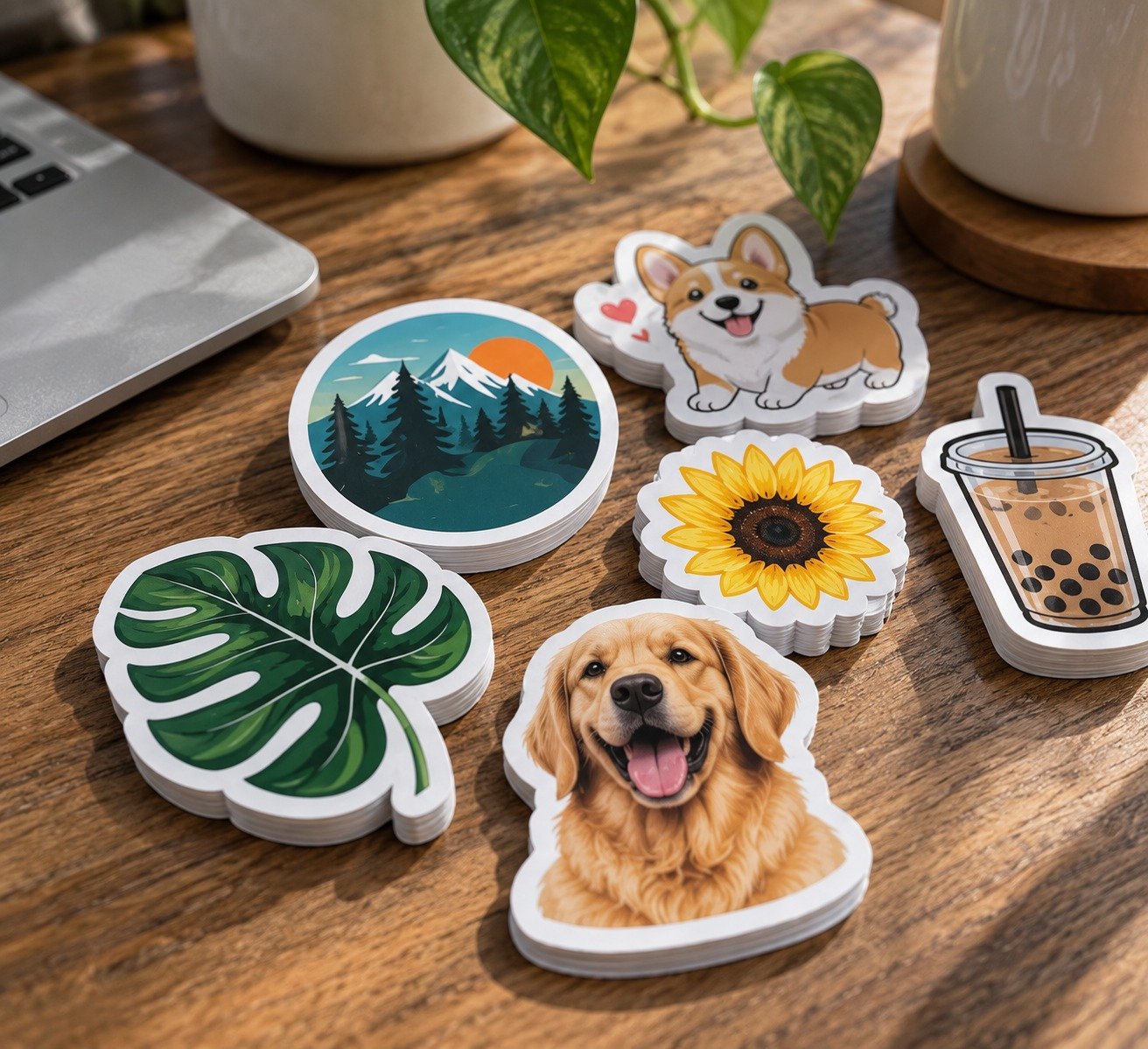 Sticker format
What Is Die-Cutting in Custom Sticker Printing?
Understand die-cut and kiss-cut formats, custom shapes, cut lines, and production planning.