
StikTec sticker printing guide
How to Print Stickers: Materials and Methods
To print stickers successfully, start by matching the sticker material, adhesive, print method, finish, and cut type to the intended application. A sticker for a dry retail box may require a different construction from one used on bottles, equipment, outdoor products, or frequently handled packaging.
Sticker printing is a specification exercise as well as a graphic one. The artwork may be the visible starting point, but the product surface, application process, storage environment, handling, required information, format, and quantity all influence the construction that should be reviewed.
In This Guide
- Sticker construction, materials, paper versus film, and adhesive planning
- Digital, flexographic, screen, and other sticker printing methods
- Artwork preparation, finishing, die-cutting, kiss-cutting, formats, testing, and ordering
Overview
What Is Sticker Printing?
A printed sticker is normally a layered product rather than a single sheet of artwork. The printable face material carries the graphic. An adhesive bonds it to the target surface. A release liner protects that adhesive until application. Depending on the job, the printed layer may also use a laminate, varnish, foil effect, embossing, or another approved finish.
For B2B buyers, the useful question is not simply “can this design be printed?” It is “will this complete construction apply, look, read, and perform as required on the real product?” That question should guide the material, adhesive, print method, cut format, and proofing plan.
| Sticker Element | Main Function |
|---|---|
| Face material | Carries printed design and affects appearance, flexibility, and surface performance. |
| Adhesive | Bonds the sticker to the target surface. |
| Release liner | Protects adhesive until the sticker is applied. |
| Ink or print layer | Provides artwork, text, images, codes, and product information. |
| Protective finish | May add visual effect or surface protection when specified. |
| Cut type | Determines whether stickers are die-cut, kiss-cut, sheeted, rolled, or individually supplied. |
Material selection
Choose the Right Sticker Material
Material selection should begin with the actual product surface and use environment, not only the desired appearance. A clear label on a dark bottle has different readability requirements from a white film label on a carton. A paper label for dry indoor packaging may be considered differently from a film construction for a curved container or a product exposed to moisture.
Paper, white film, clear film, PET, PVC, metallic-looking stocks, holographic materials, and textured papers can each support different visual and physical directions. None is automatically right for every brief. The final construction should be confirmed against the target surface, adhesive, finish, product environment, and project requirements.
Start with the real application
- Identify the exact product surface and any coating, texture, curvature, or flexibility.
- Describe moisture, oil, abrasion, temperature, sunlight, storage, and handling conditions.
- State whether the desired appearance is clear, white, metallic, textured, matte, glossy, or otherwise specific.
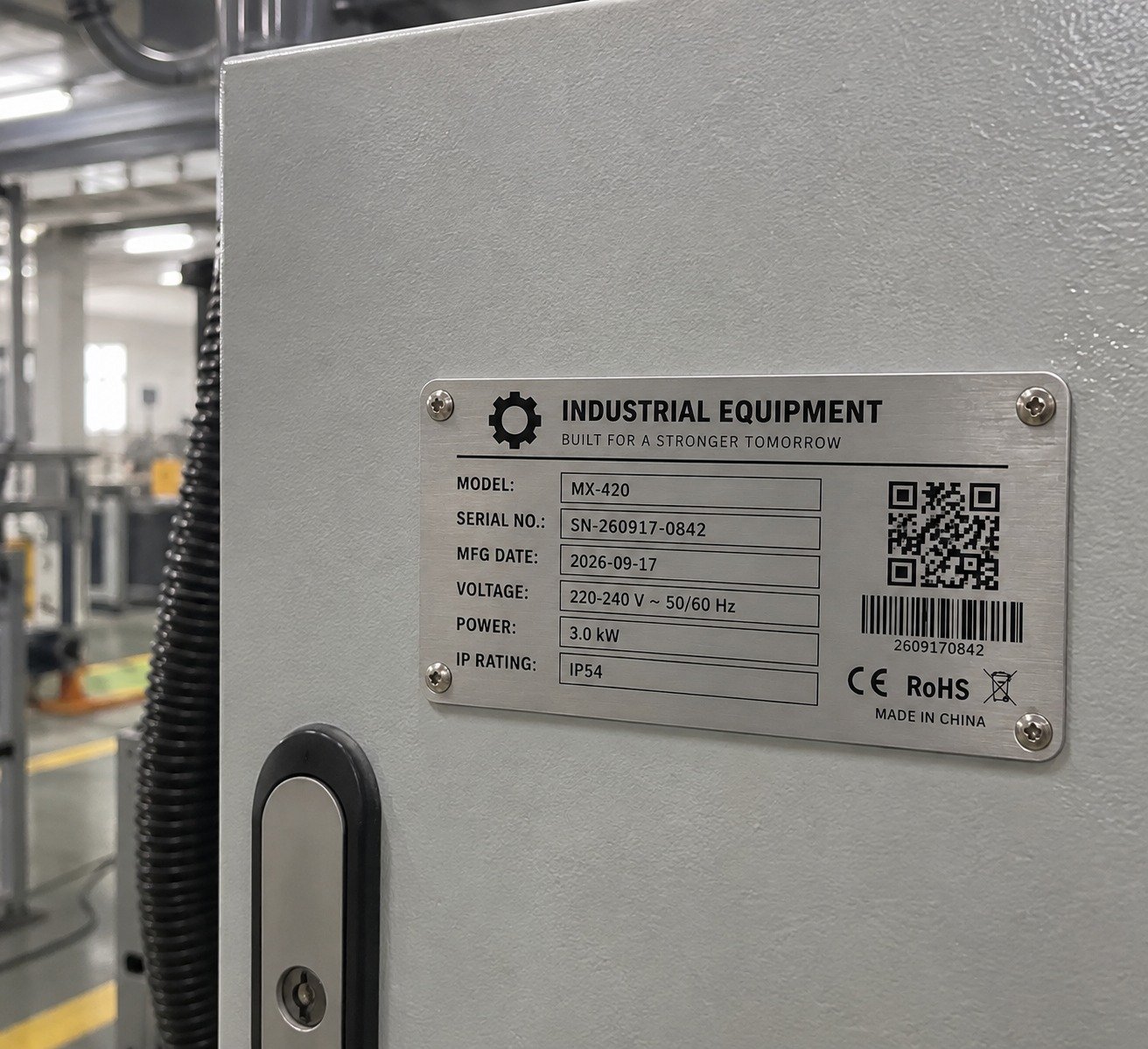
- Include barcode, QR code, variable-data, warning, language, and legal-content needs in the brief.
| Material Direction | Typical Consideration | Buyer Question |
|---|---|---|
| Paper sticker | May suit dry indoor packaging or short-term applications. | Will the sticker encounter moisture, oil, abrasion, or outdoor exposure? |
| White film sticker | Can provide an opaque background for strong graphics. | Does the project need moisture resistance or flexibility? |
| Clear film sticker | Can show the package or product underneath. | Will text and graphics remain readable on the target background? |
| PET material | May be considered for selected durable or identification applications. | What temperature, abrasion, or environmental conditions apply? |
| PVC material | May be considered for selected flexible graphic applications. | Does the final construction meet the project’s surface and market requirements? |
| Metallic or foil-look stock | Supports a metallic visual effect. | Is white ink or selective opacity required? |
| Textured paper | Can create a premium tactile appearance. | Is the application dry and suitable for the selected material? |
Material comparison
Paper Stickers vs Film Stickers
Paper and film constructions can serve different purposes. Paper can support printed packaging and natural paper looks. Film may be considered where flexible, clear, opaque, or moisture-related characteristics are relevant. That does not make one direction universally superior; the surface, application method, and intended environment still decide the appropriate construction.
For example, a label may look correct in a flat proof but behave differently after it is wrapped around a tapered bottle, applied to a rough carton, or exposed to condensation. The buyer should discuss the actual product rather than rely on a material name alone.
Paper or film review checklist
- Is the surface dry or exposed to moisture?
- Is the product flat, curved, textured, flexible, coated, or low-surface-energy?
- Does the sticker need to survive frequent handling?
- Is clear, white, metallic, or textured appearance required?
- Does the project need barcode readability or variable data?
- Are sustainability or recycling considerations part of the brief?
| Feature | Paper Sticker Direction | Film Sticker Direction |
|---|---|---|
| Appearance | Can support printed packaging and natural paper looks. | Can support clear, white, metallic, and flexible visual options. |
| Moisture exposure | May be less suitable for wet conditions depending on construction. | May be considered where moisture exposure is more demanding. |
| Flexibility | Varies by paper and application surface. | May offer more conformity for selected curved surfaces. |
| Finish options | Can support matte, gloss, textured, and other selected effects. | Can support clear, opaque, glossy, matte, and specialty films. |
| Selection rule | Confirm actual use conditions. | Confirm actual use conditions. |
Bonding plan
Match the Adhesive to the Application Surface
Adhesive selection is as important as face-material selection. The sticker must bond to the actual surface it will be applied to, not to an assumed generic material. Glass, plastic, metal, paperboard, painted surfaces, curved containers, textured surfaces, and coated products can all require different questions.
Permanent and removable directions should be discussed from the intended outcome. A removable promotion needs a different review from a product-identification label expected to remain in place. Surface cleanliness, application temperature, storage, service conditions, handling, oil, moisture, and outdoor exposure can change the result. Where performance is important, evaluation on the actual production surface is more useful than a broad material claim.
| Surface or Condition | Adhesive Planning Question |
|---|---|
| Glass bottle | Is there condensation, coating, curvature, or oil exposure? |
| Plastic bottle | What resin, surface energy, texture, and flexibility are involved? |
| Cardboard box | Is the surface coated, rough, recycled, dusty, or fibrous? |
| Metal container | Is the surface smooth, painted, oily, hot, or exposed outdoors? |
| Curved product | Does the material conform without lifting at the edges? |
| Refrigerated product | What is the application temperature and service-temperature range? |
| Outdoor equipment | What UV, rain, abrasion, and temperature exposure is expected? |
| Removable promotion | Must the sticker remove cleanly, and from what surface? |
Print workflow
Compare Sticker Printing Methods
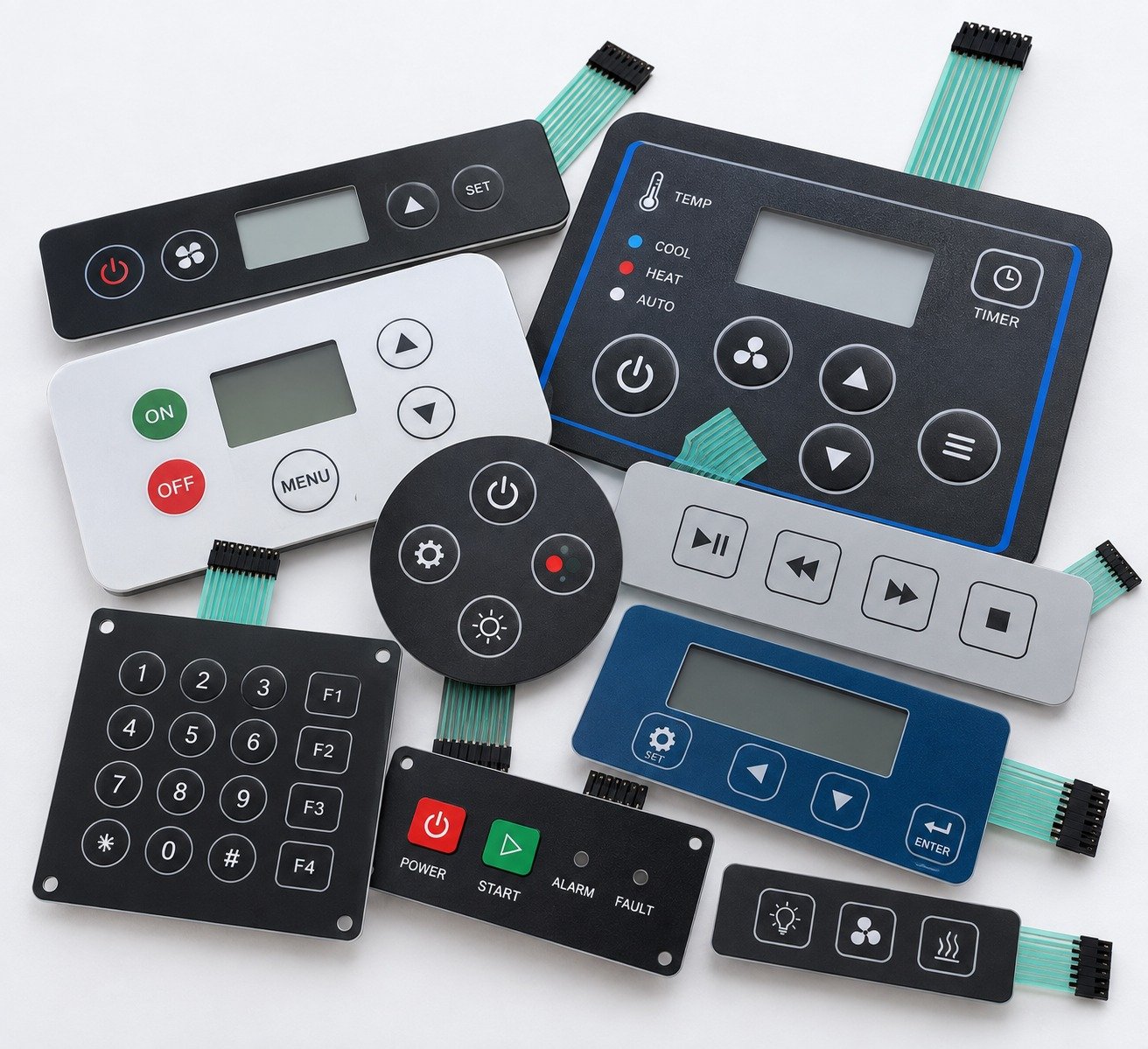
Sticker printing methods are selected according to artwork, material, quantity, colour requirements, finish, quality expectations, and delivery needs. Digital printing can suit short-to-medium runs, variable graphics, and full-colour artwork. Flexographic printing can suit larger repeat label programs. Screen printing may support selected specialty inks or opacity needs. Offset or lithographic workflows may be considered for selected paper-based or high-volume projects.
A method name is not a guarantee of a particular result on every substrate. The artwork, ink system, surface, finish, process control, and inspection requirements all contribute. A practical supplier discussion starts with the confirmed specification, then identifies a suitable production route.
| Printing Method | Typical Strength | Planning Consideration |
|---|---|---|
| Digital printing | Can suit short-to-medium runs, variable graphics, and full-colour artwork. | Confirm compatible material, colour expectations, and finishing needs. |
| Flexographic printing | Can suit larger production runs and repeat label programs. | Confirm setup, plates, colours, material, and run-length requirements. |
| Screen printing | Can support selected specialty inks, opacity, or strong colour coverage. | Confirm artwork, material, ink, and finish requirements. |
| Offset or lithographic printing | May be considered for selected paper-based or high-volume projects. | Confirm material, finishing, and production workflow. |
| Hybrid workflow | Can combine methods for specific requirements. | Confirm the exact scope and process with the supplier. |
Prepress
Prepare Artwork for Sticker Printing
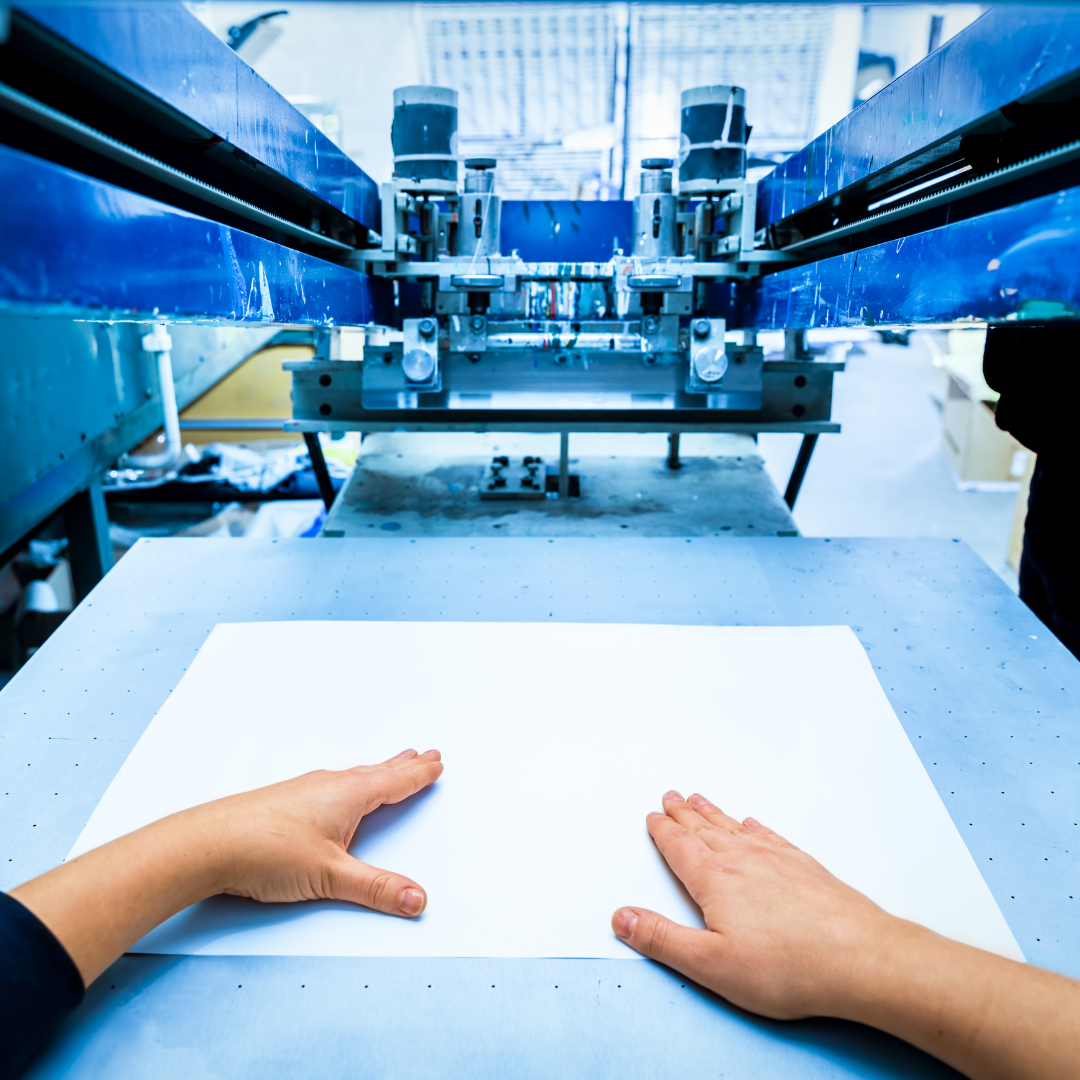
Artwork should be prepared for the final printed size, material, cut type, and production process. A screen image that looks acceptable may not contain the bleed, safe margin, cut information, resolution, colour reference, or variable-data mapping needed for a production file.
Controlled file naming and revision references are particularly important for procurement teams managing multiple SKUs, languages, pack sizes, or seasonal variants. They make it easier to compare the approved artwork against the purchase order and prevent an outdated version from moving forward.
Artwork checklist
- Final sticker dimensions and required bleed around the artwork.
- Safe margin for important text, logos, codes, and legal content.
- Vector logos where available and high-resolution images at final print size.
- Correct colour references where relevant.
- Separate cut line for custom die-cut shapes when required.
- Clear instructions for white ink, foil, metallic effects, spot UV, and embossing.
- Barcode, QR code, variable-data, language, SKU, and revision requirements.
| Artwork Feature | Why It Matters |
|---|---|
| Bleed | Helps avoid unwanted unprinted edges after cutting. |
| Safe area | Protects important content from trim variation. |
| Cut line | Defines the final shape of a die-cut or kiss-cut sticker. |
| Colour reference | Helps communicate expected brand colours. |
| White ink layer | May be needed for clear or metallic materials. |
| Barcode area | Needs suitable size, contrast, clear space, and placement. |
| Variable-data field | Needs a confirmed data source and mapping rule. |
| Revision name | Helps prevent outdated artwork from being produced. |

Production steps
How Stickers Are Produced
The exact process varies by material, print method, finish, and project requirements, but a controlled job follows a clear sequence. Each stage should refer back to the approved specification rather than treating the finished design as the only requirement.
- Confirm the specification. Record material, adhesive, quantity, artwork, dimensions, finish, format, and cut type.
- Check files. Review dimensions, bleed, cut line, colours, codes, and production suitability.
- Print the artwork. Print onto the selected adhesive material using the agreed process.
- Add approved finishing. Apply a protective or decorative finish where required.
- Cut the shape. Use the agreed die-cutting or digital-cutting method.
- Manage waste and format. Remove or retain waste according to the agreed roll, sheet, or individual format.
- Inspect and pack. Check agreed features before packing and shipment.
Surface treatment
Choose Sticker Finishes
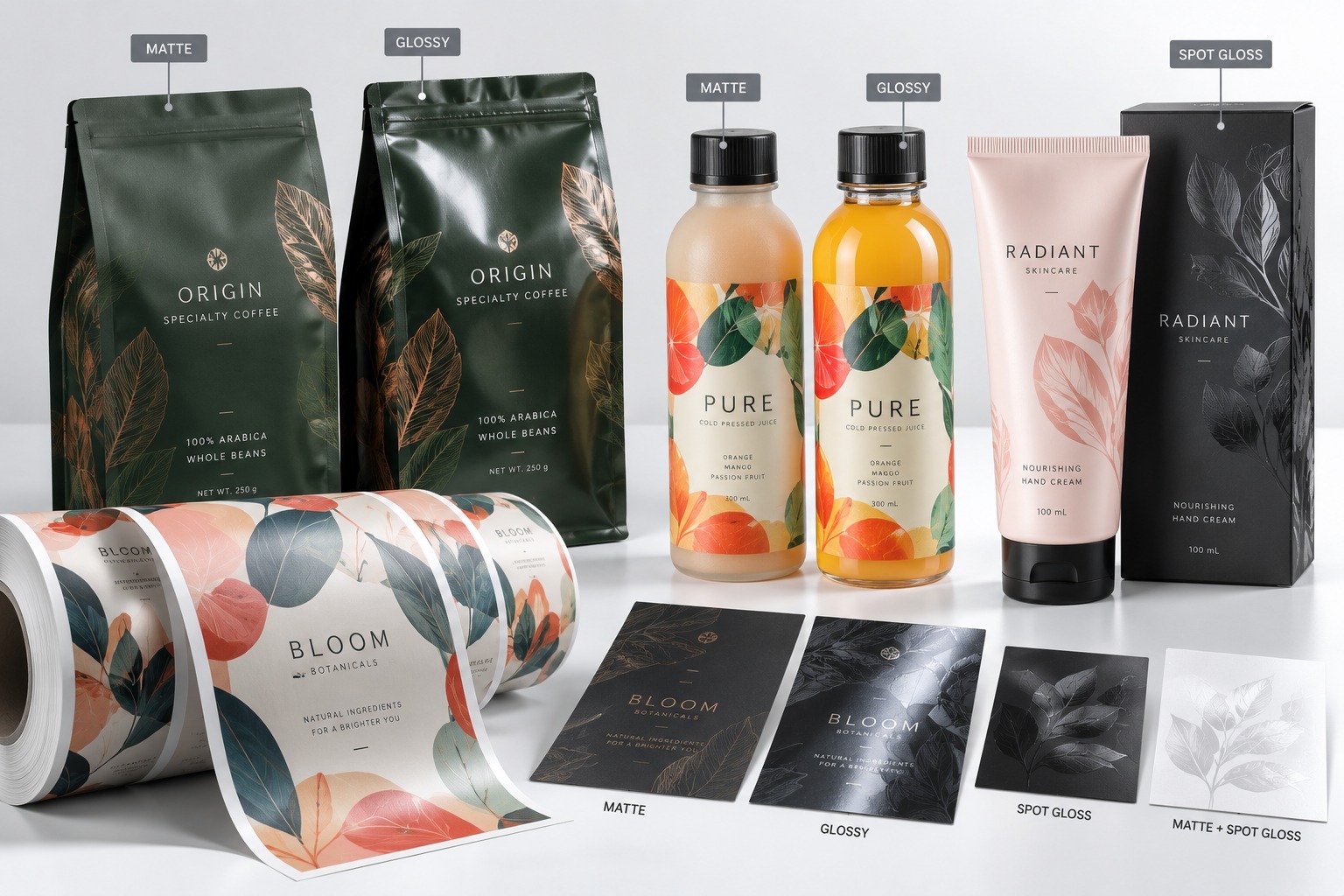
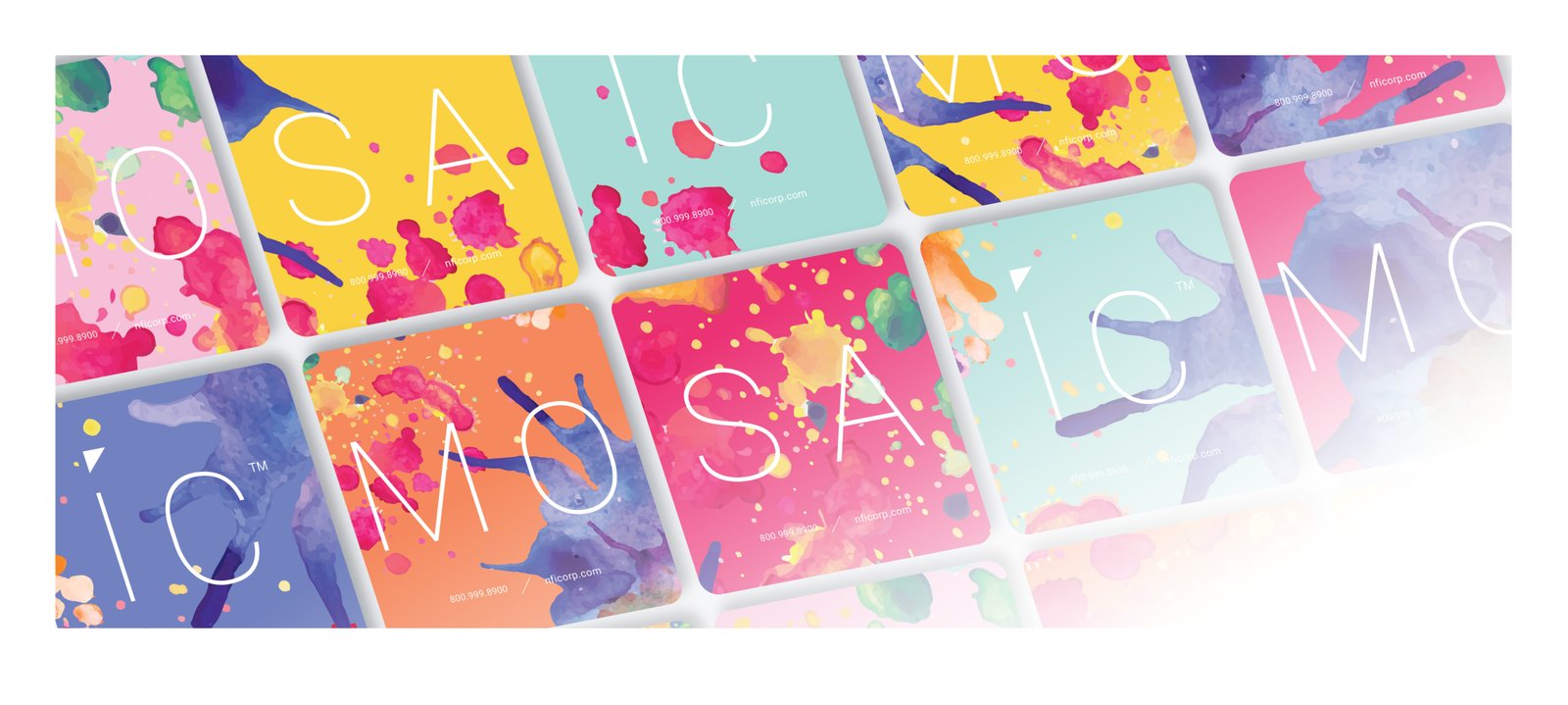
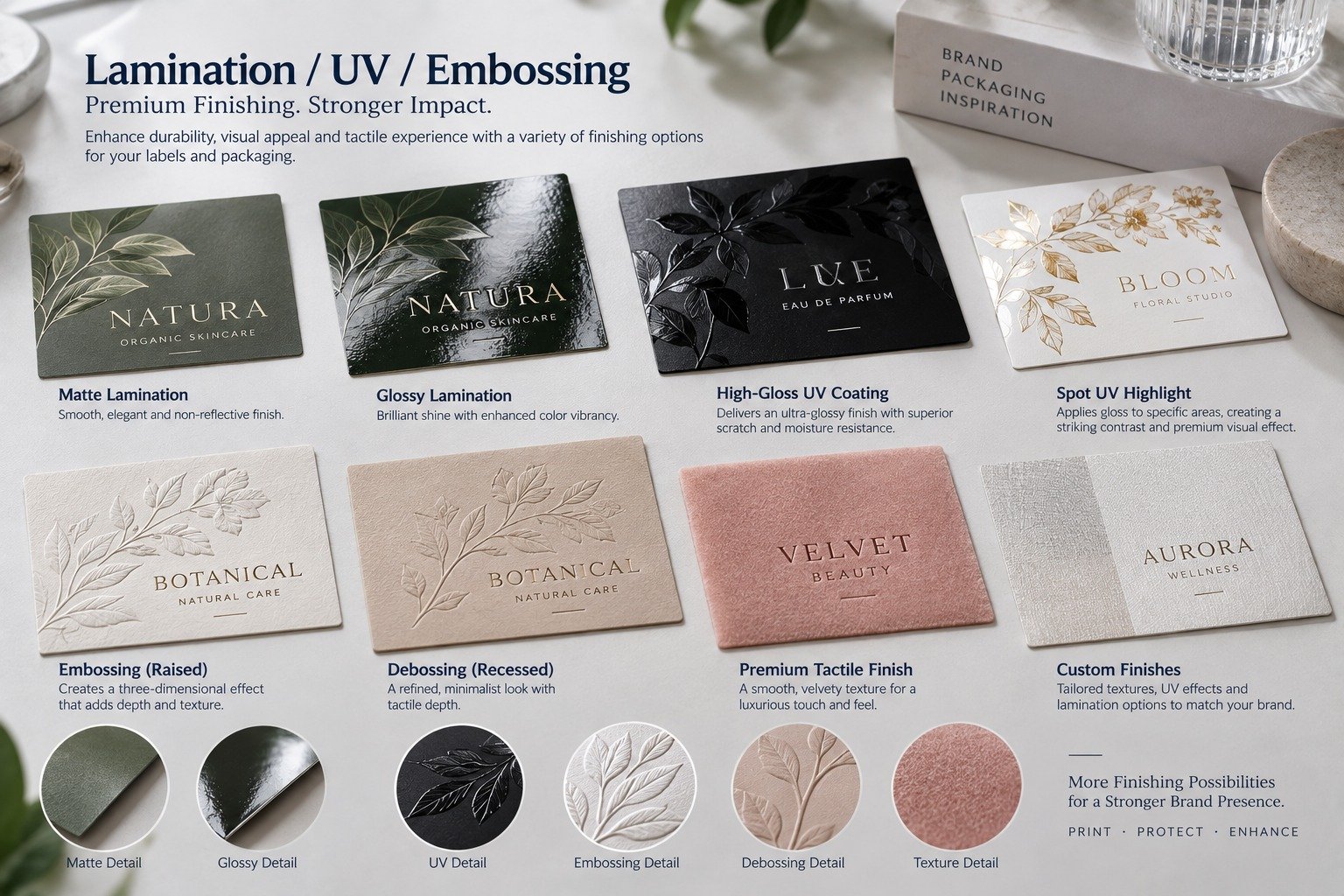
Finishing can change surface appearance, protection, feel, and production complexity. Matte, gloss, lamination, UV varnish, foil effects, embossing, soft-touch treatments, and metallic substrates each have different visual and material implications.
A finish should not be treated as a universal durability or security solution. The final construction must be confirmed for the intended application. A glossy surface may support a bright visual result but also introduce reflection. A laminate may add a surface layer, while the underlying material, adhesive, ink, handling, and environment still influence the complete result.
| Finish or Process | Possible Purpose | Buyer Question |
|---|---|---|
| Matte finish | Reduced glare and a soft visual effect. | Does it support the desired product appearance and readability? |
| Gloss finish | Brighter reflective appearance. | Could reflection affect text or barcode readability? |
| Lamination | May add an additional protective surface layer. | Is the selected laminate appropriate for the material and use conditions? |
| UV varnish | Can add a gloss effect or selected visual emphasis. | Is full coverage or selective effect required? |
| Foil effect | Adds metallic decoration. | Is it needed across the label or only for key elements? |
| Embossing | Adds raised texture or tactile detail. | Is the feature essential to the product experience? |
| Metallic substrate | Provides an overall reflective base. | Are opacity and white-ink areas defined? |
Shape and delivery
Choose Die-Cut or Kiss-Cut Stickers
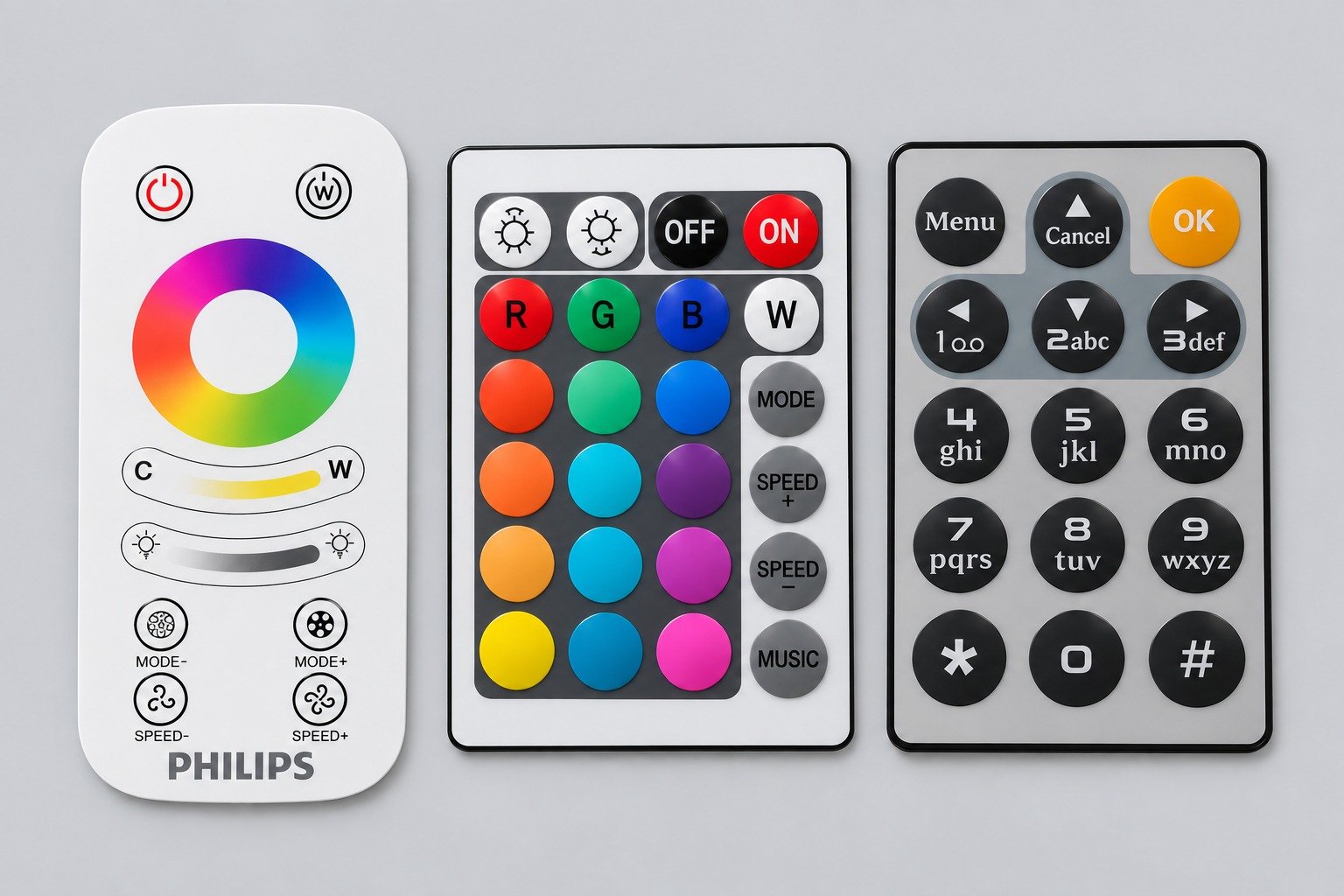
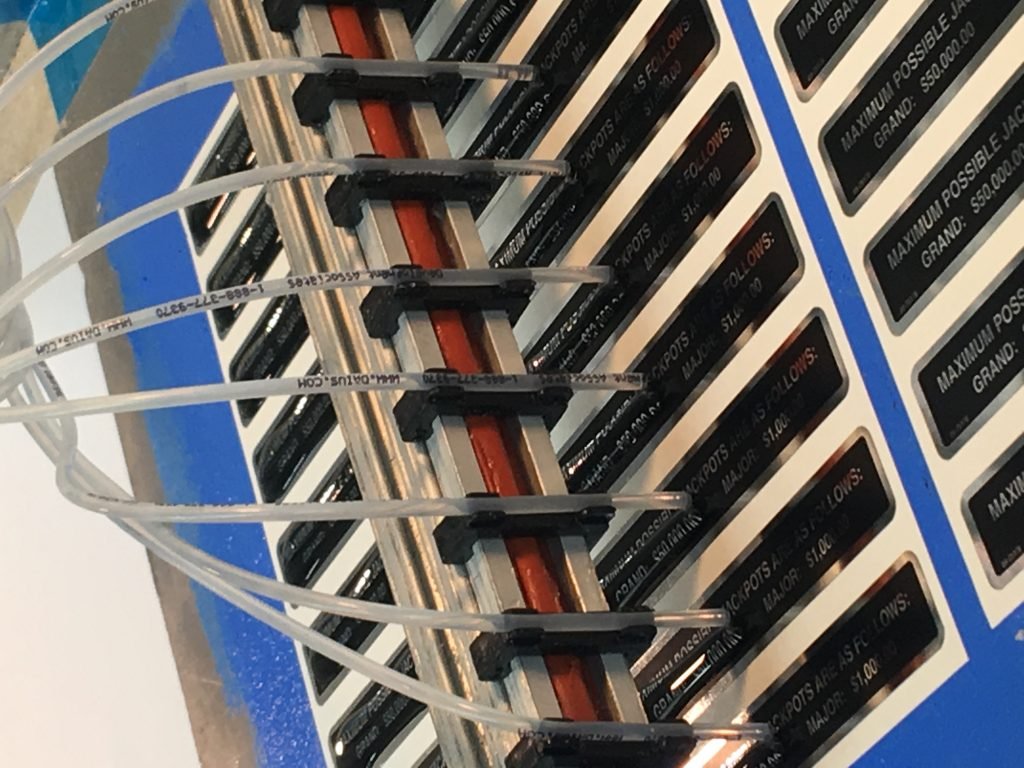
Die-cut stickers are cut through the sticker face material and the liner to the final outer shape. Kiss-cut stickers are cut through the sticker face material but leave the backing liner intact, often as a sheet or peelable format. Both can be useful; the correct choice depends on how the stickers will be packed, handled, dispensed, and used.
An individual shaped giveaway, for example, may call for a different delivery format from a multi-design promotion sheet or a roll used in a repeat application process. The cut line must be accurate, but the backing, waste, sheet size, roll direction, and pack count also require agreement.
| Feature | Die-Cut Sticker | Kiss-Cut Sticker |
|---|---|---|
| Cut depth | Through face material and liner. | Through face material, leaving liner intact. |
| Finished format | Individual shape follows sticker outline. | Sticker remains on a larger backing sheet or roll. |
| Handling | Can be distributed individually. | Can be easier to peel from a backing sheet. |
| Multi-design set | Can be supplied as separate pieces. | Can support several sticker designs on one sheet. |
| Artwork need | Requires an accurate outer cut path. | Requires sticker cut line and backing-sheet planning. |
| Selection question | Is an individual shaped sticker required? | Is a peelable sheet or roll format preferred? |
Supply format
Choose the Right Sticker Format
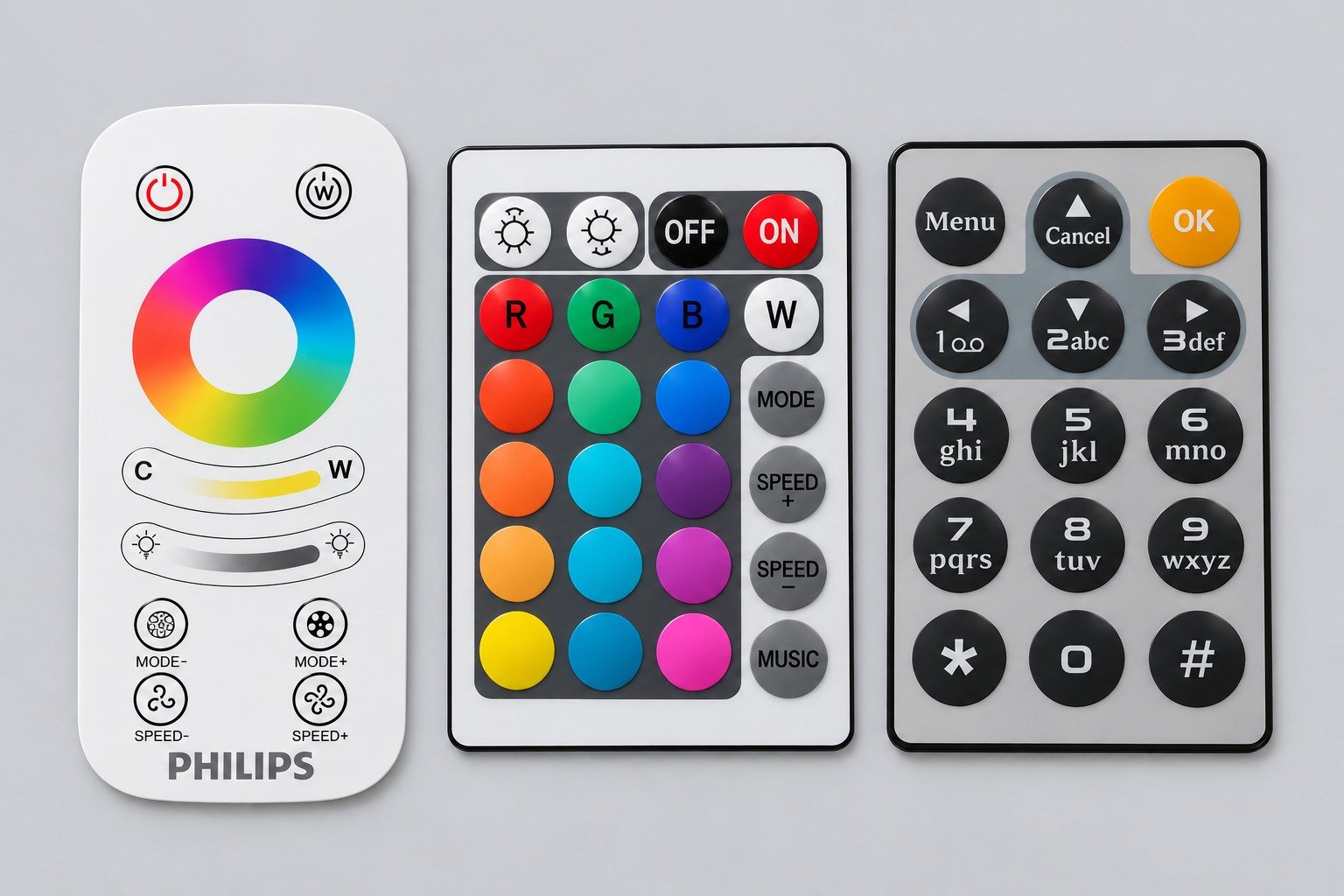
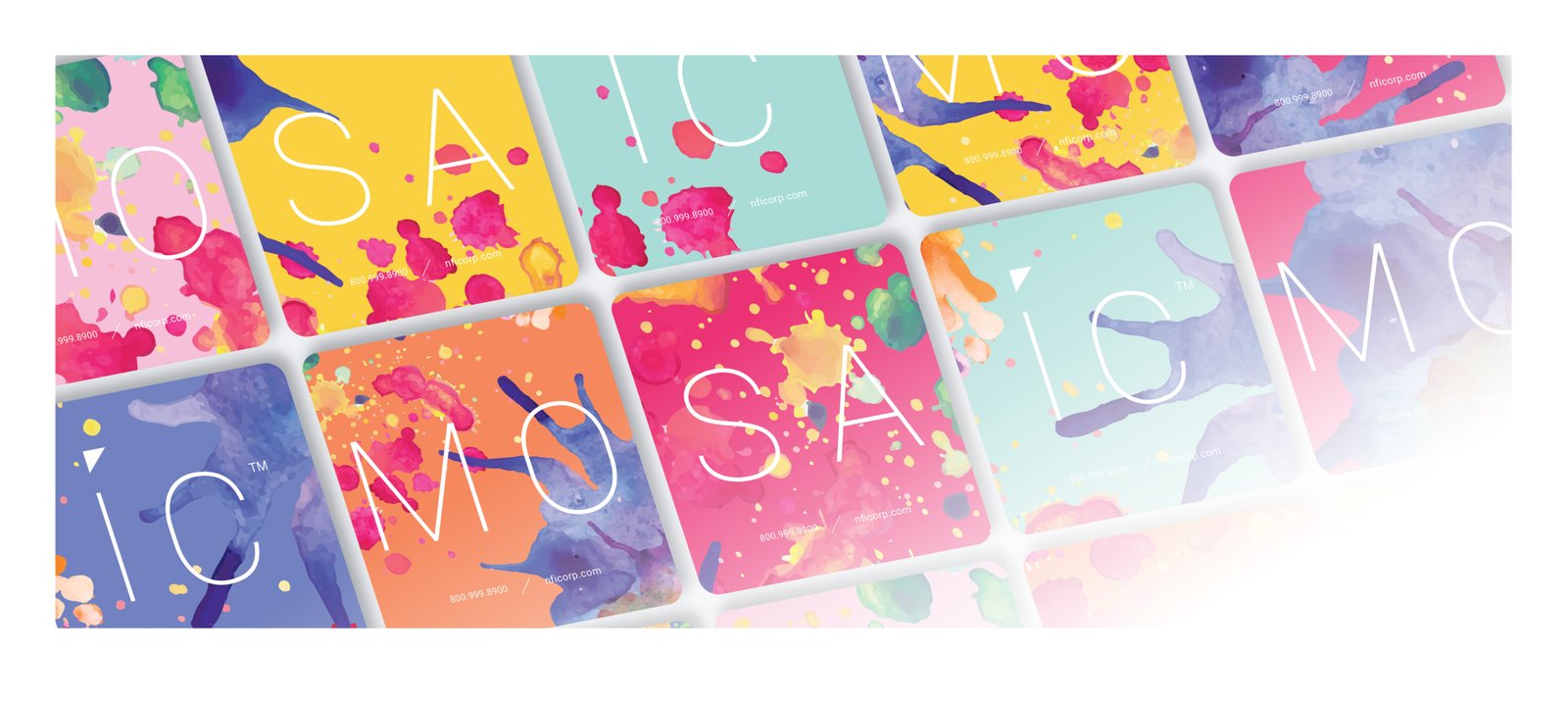
Sticker format influences the application workflow as well as packing. Individual stickers can suit promotions, handouts, product inserts, and retail distribution. Sticker sheets can organize multiple designs for manual use. Roll stickers can be useful for repeated hand application or compatible labelling equipment. Variable-data jobs add a further requirement: the approved data source and sequence must be controlled before production.
Do not use a format label as a substitute for a full application brief. A roll requires questions about core size, roll direction, labels per roll, gap, and dispensing method. A sheet requires its dimensions, sticker count, peel direction, and packing. A complete format definition helps the supplier and buyer evaluate the right conversion route.
| Format | Typical Use | Buyer Information Needed |
|---|---|---|
| Individual stickers | Promotions, handouts, product inserts, and retail distribution. | Finished shape, packing quantity, and backing requirement. |
| Sticker sheets | Multi-design sets, promotional packs, and manual application. | Sheet size, sticker count, and cut style. |
| Roll stickers | Product packaging and machine or repeated hand application. | Core size, roll direction, labels per roll, gap, and application method. |
| Die-cut stickers | Brand marks, promotional stickers, and custom contours. | Cut line, finished shape, and packing requirements. |
| Variable-data stickers | Serial numbers, barcodes, QR codes, and tracking information. | Data file, sequence rules, code requirements, and approval process. |
| Weatherproof direction | Selected outdoor or moisture-prone uses. | Actual environmental conditions and material requirements. |
Validation
Test Sticker Construction Before Full Production
When a sticker must perform on a specific product, testing a representative construction on the actual surface can reduce uncertainty. A sample can help reveal whether the material conforms to the shape, whether the graphics are readable, whether a barcode has sufficient contrast, whether a finish looks appropriate, and whether the format works in the intended process.
Testing should represent the real use case as closely as practical. A smooth clean test panel does not necessarily represent a cold, curved, textured, coated, oily, or frequently handled product. Buyers should identify the relevant exposure and acceptance criteria rather than assume a material description provides a guarantee.
Sample review points
- Apply to the actual product, package, or representative surface.
- Review fit on flat, curved, tapered, textured, or coated areas.
- Check text, graphic, barcode, QR code, and variable-data readability.
- Inspect cut shape, edge appearance, backing release, and delivery format.
- Document the approved material, adhesive, finish, file revision, and application conditions.
B2B project handoff
Prepare a Sticker Printing Request
A strong request gives a supplier enough information to review the right construction, not merely enough to produce a visual mock-up. It also gives procurement, packaging, marketing, and product teams a common record of what must be approved.
Include the target surface, product or pack photographs where useful, dimensions, quantity per version, artwork, colours, material preferences, finish expectations, cut type, format, required information, handling conditions, and delivery destination. If the project involves barcodes, QR codes, serial numbers, batch codes, or other variable data, include the source file, mapping rule, field length, and validation responsibility.
StikTec can review the available information with your team. Buyers remain responsible for confirming applicable content, warning, labelling, packaging, and market requirements for their products.
| Information to Share | Why It Helps |
|---|---|
| Product surface and photographs | Supports an application-focused material and adhesive discussion. |
| Dimensions and cut type | Defines the finished sticker and conversion requirements. |
| Artwork and revision reference | Supports accurate graphics and approval control. |
| Quantity and repeat requirements | Supports a suitable production and supply discussion. |
| Finish and appearance objectives | Clarifies matte, gloss, clear, metallic, foil, or tactile expectations. |
| Format and packing | Defines individual pieces, sheets, rolls, or application needs. |
| Environmental and handling conditions | Helps identify the questions that should be tested or confirmed. |

Frequently asked questions
Sticker Printing FAQ
Use these answers to prepare a clearer sticker brief and identify what still needs confirmation.
What is the best material for printing stickers?
There is no universal best material. The right direction depends on the target surface, required appearance, adhesive needs, handling, moisture, temperature, artwork, finish, format, and intended use. Paper, film, PET, PVC, clear, metallic, and textured options should be compared against the real application.
Can I print stickers at home?
Home printing may be useful for simple samples or short personal projects. Commercial sticker printing can be more appropriate where production specifications, repeatability, specialized materials, controlled finishing, accurate conversion, and higher-volume requirements matter.
What is the difference between die-cut and kiss-cut stickers?
Die-cut stickers are cut through the face material and liner to an individual outer shape. Kiss-cut stickers are cut through the face material while the backing liner remains intact, often for sheets or peelable formats.
Are all vinyl or film stickers waterproof?
No. A material description alone does not determine performance. The complete construction, including material, adhesive, ink, finish, cut type, application surface, application conditions, storage environment, and intended use should be confirmed.
Which printing method is best for custom stickers?
No single method is always best. Digital, flexographic, screen, offset, and hybrid workflows can suit different artwork, quantities, materials, colours, finishing requirements, quality expectations, and delivery needs.
What files are needed for a custom sticker quote?
Share artwork, dimensions, quantity, product surface, desired material or appearance, finish, cut type, format, application conditions, packing needs, and delivery destination. Include controlled data and mapping requirements for serial numbers, barcodes, QR codes, or other variable information.

Summary
How to Print Stickers with a Clear Specification
How to print stickers is not only a question of sending artwork to a printer. It starts with matching the face material, adhesive, print method, finish, cut type, format, and proofing process to the intended product and use conditions.
Before you request a quote
- Define the target surface and actual use environment.
- Choose a material direction based on application needs, not appearance alone.
- Confirm adhesive, finish, cut type, and delivery format.
- Prepare artwork with dimensions, bleed, safe areas, cut information, and revision control.
- Review samples on the real product where performance or appearance is important.
- Confirm all approved product, warning, labelling, packaging, and market content with the responsible team.
Project inquiry
Plan your custom sticker printing project.
Send StikTec your artwork, dimensions, quantity, target surface, preferred material or appearance, finish, cut type, supply format, application conditions, and delivery destination. We will use the information to discuss suitable project directions.
Related articles
Continue reading.
Sticker printingWhat Is Die-Cutting in Sticker Printing?
Understand how cut paths, shapes, backing, and formats influence finished stickers.
 Label basics
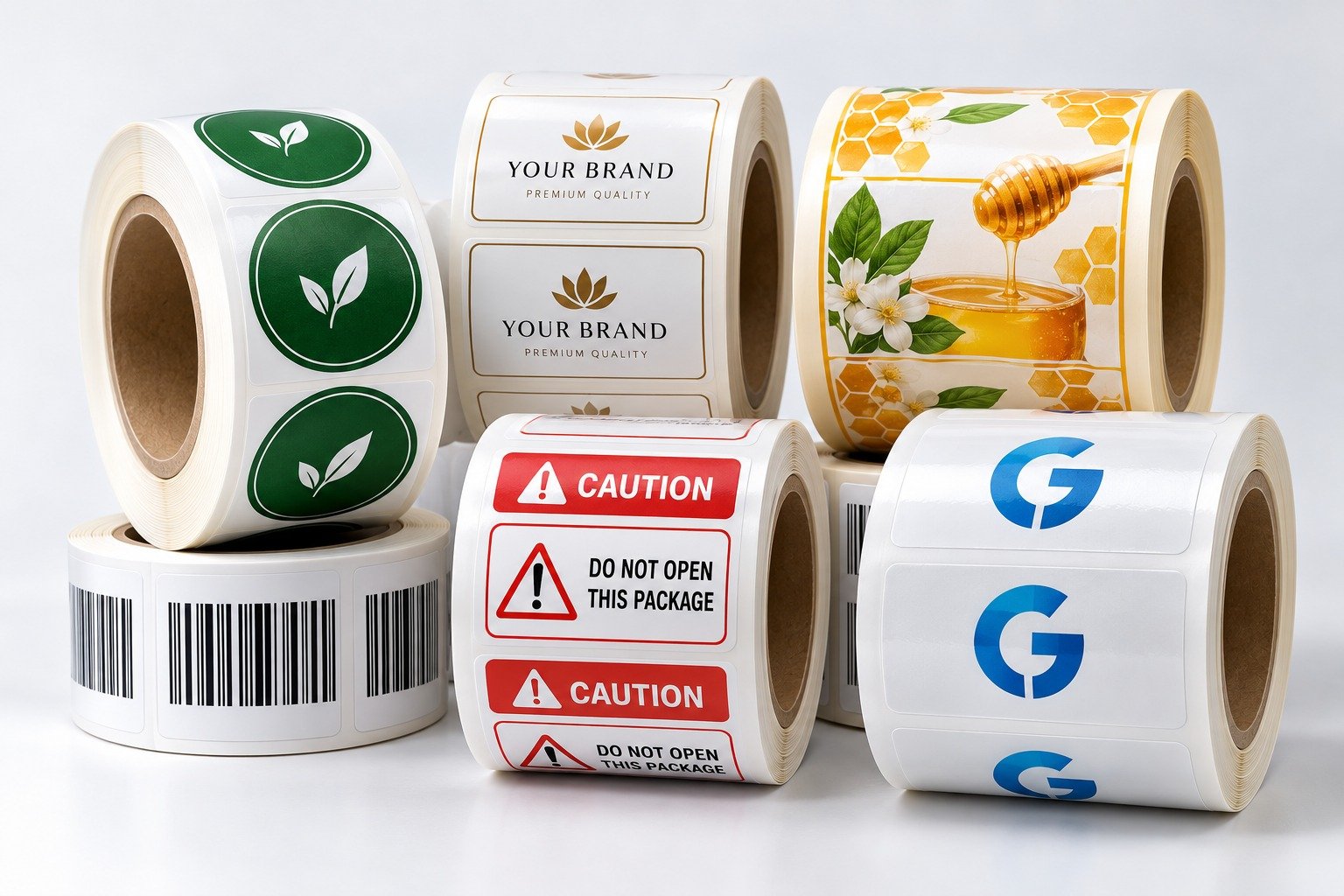
What Are Self-Adhesive Labels?
Review face materials, adhesives, liners, formats, and practical label selection.
 Procurement
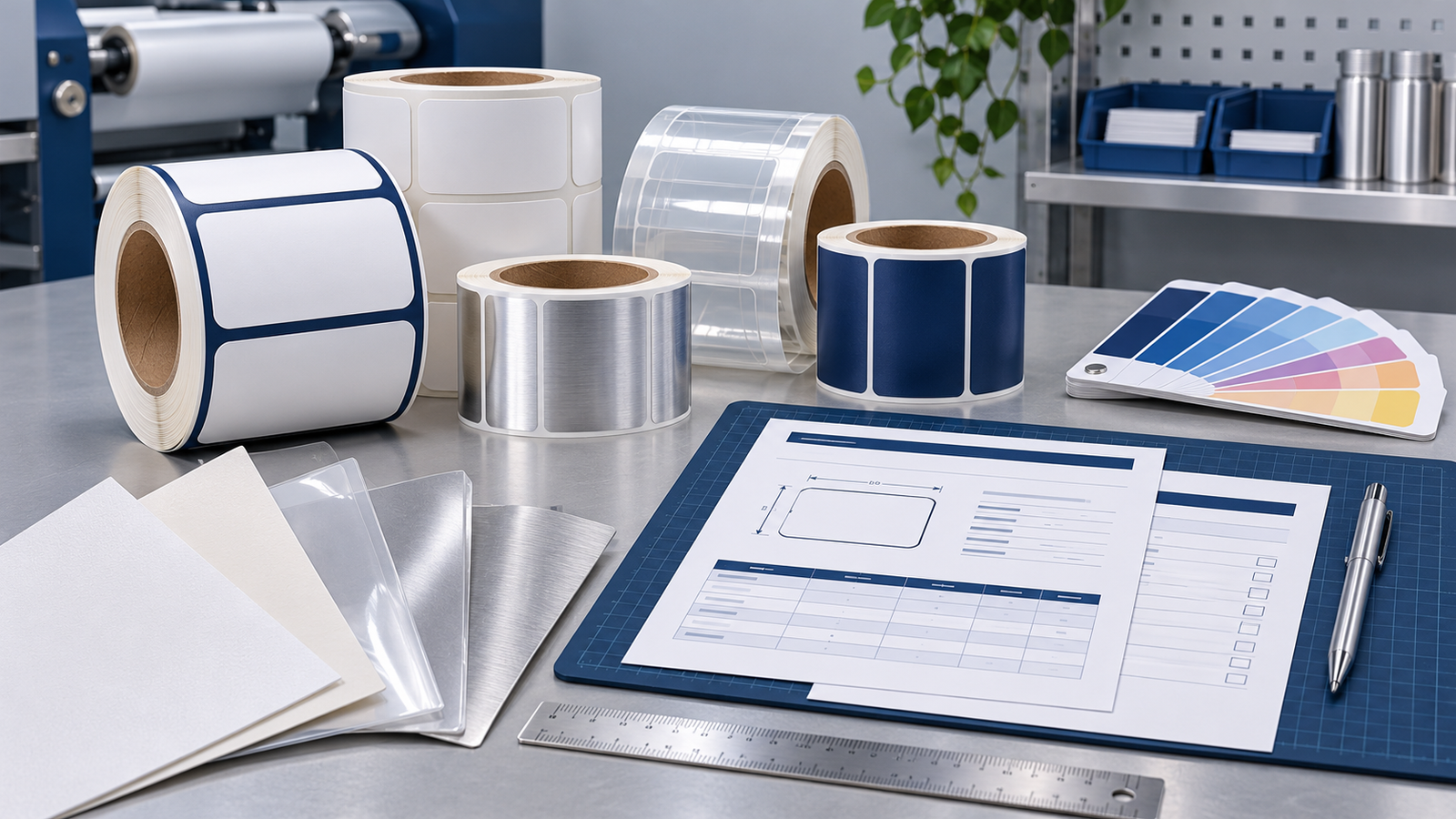
Custom Label Pricing Guide
Prepare comparable quote information for material, quantity, finish, format, and delivery.