
StikTec label selection guide
How to Choose Labels for Small Bottles
Choose labels for small bottles by measuring the usable label area, selecting a material that can conform to the bottle’s shape, and matching the adhesive and finish to the surface and conditions of use. Test the proposed label on the actual bottle before placing a production order.
Small containers leave little room for the details a buyer needs to communicate. A good brief considers the physical container, its contents, the application process and the intended market together.
In this guide: measurement, bottle shape, materials, adhesives, information, testing and ordering.
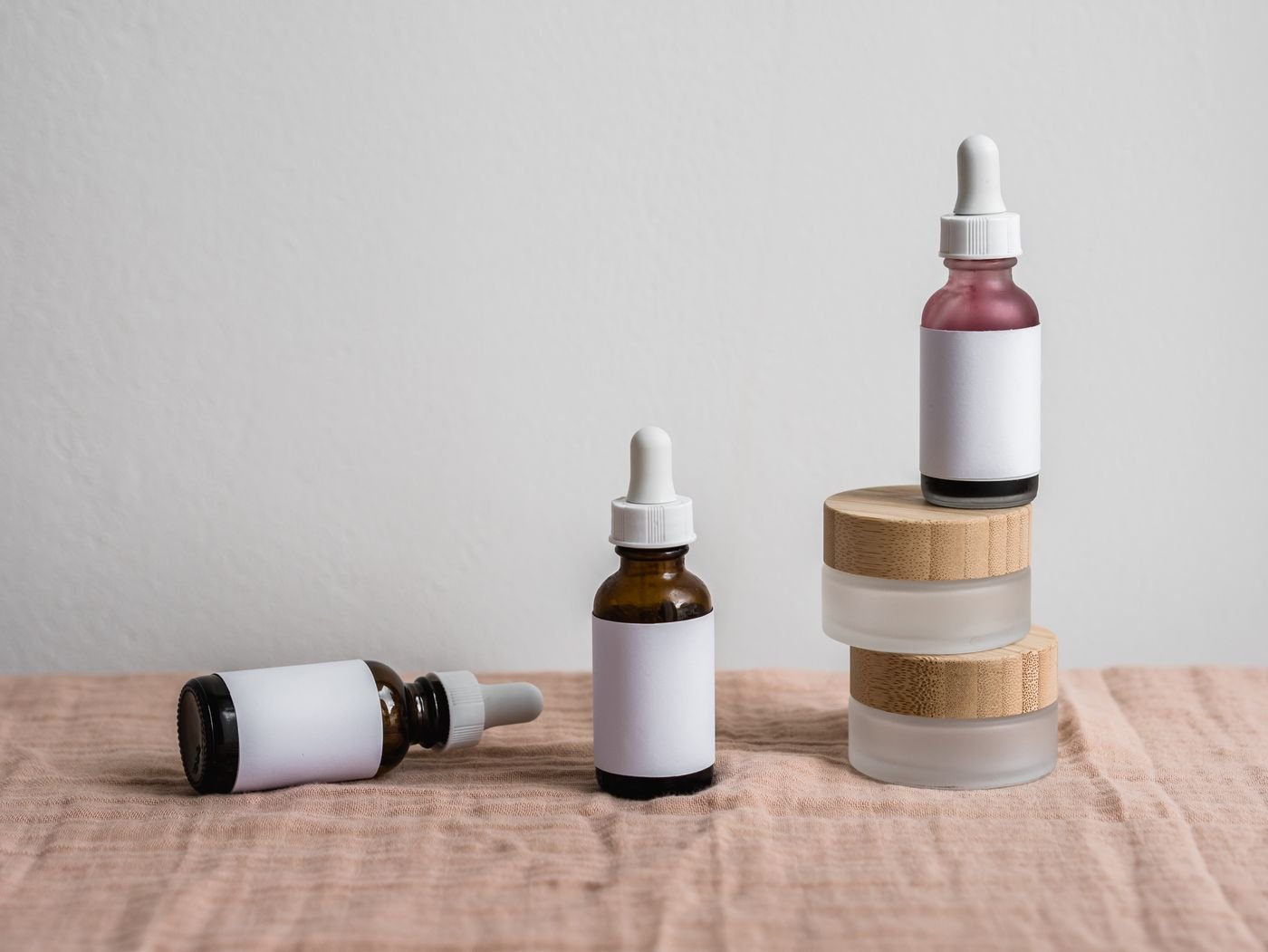
Label selection guide
Choosing Labels for Small Bottles
A small bottle has less usable space for product information than a large container. Tight curves can stress the edges; shoulders, bases, tapers and seams can limit where a label sits. The label must remain readable and suitable for actual storage, handling and use.
Review the filled bottle as well as the empty container. A label may encounter product residue, condensation or repeated handling, depending on the application. Explain these conditions to the supplier and agree how the proposed construction will be evaluated.
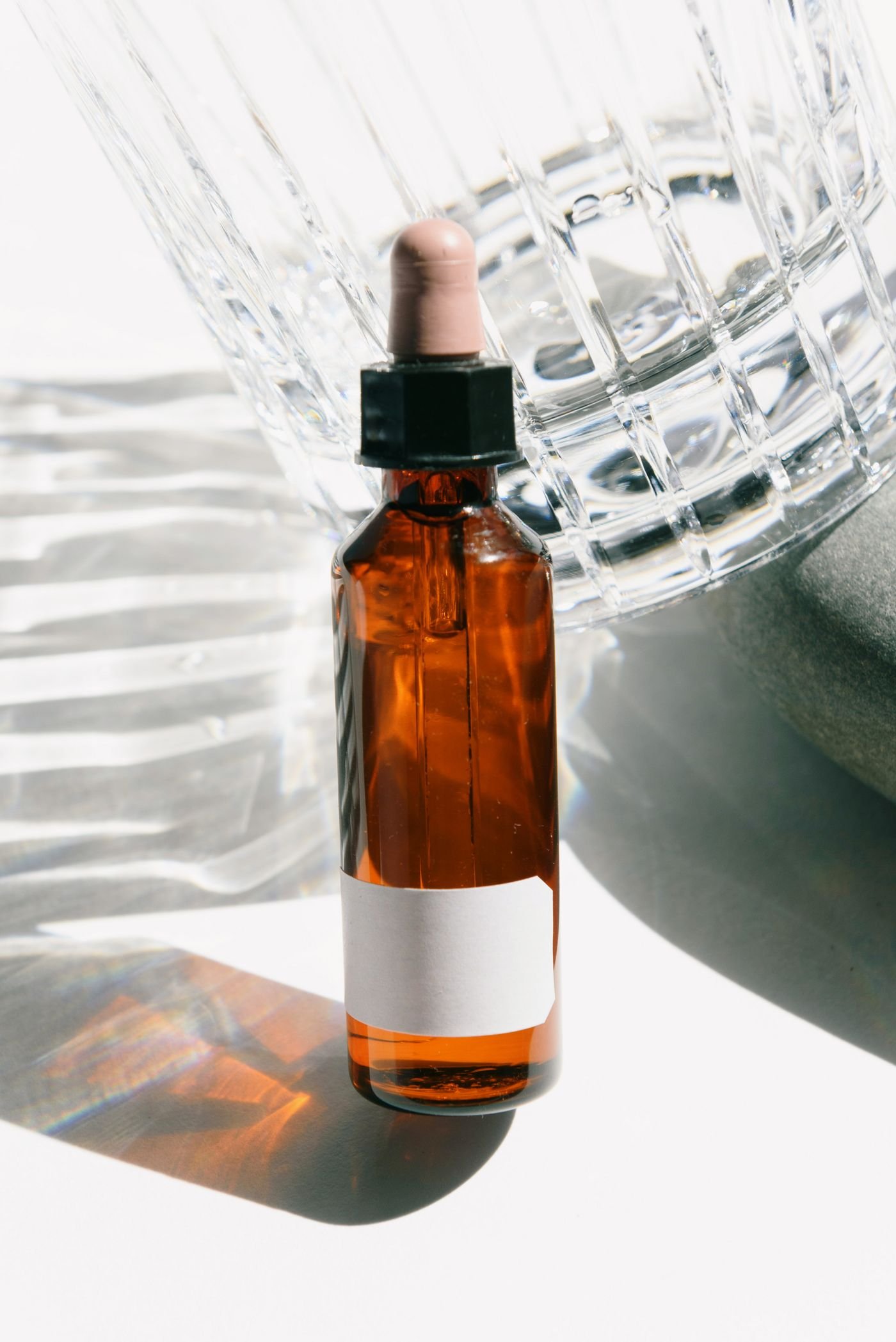
Label selection guide
How to Measure a Small Bottle for a Label
Bottle capacity is not a label-size specification. Two 10 mL or 30 mL bottles may have different diameters, heights and shoulders. Measure the actual container and the exact position where the label will be applied.
- Identify the area that does not cross the shoulder or base curve.
- Measure the usable height.
- For a straight-sided round bottle, use a flexible tape or paper strip to measure the circumference at the intended position.
- Decide whether the label covers the front or wraps around the bottle.
- Allow for the desired gap or overlap and application tolerance.
- Make a full-size paper test and place it on the actual bottle.
- Confirm final dimensions with the supplier before production.
For an approximately cylindrical bottle, circumference can be estimated as diameter × π. Illustrative example: a 25 mm diameter gives approximately 78.5 mm circumference. Final label width depends on coverage, gap or overlap and practical testing. This calculation alone is insufficient for tapered, oval or irregular bottles.
Checklist: usable height; circumference or panel width; shoulder and base; seams, ridges and texture; gap or overlap; application method; actual-size paper fit test.
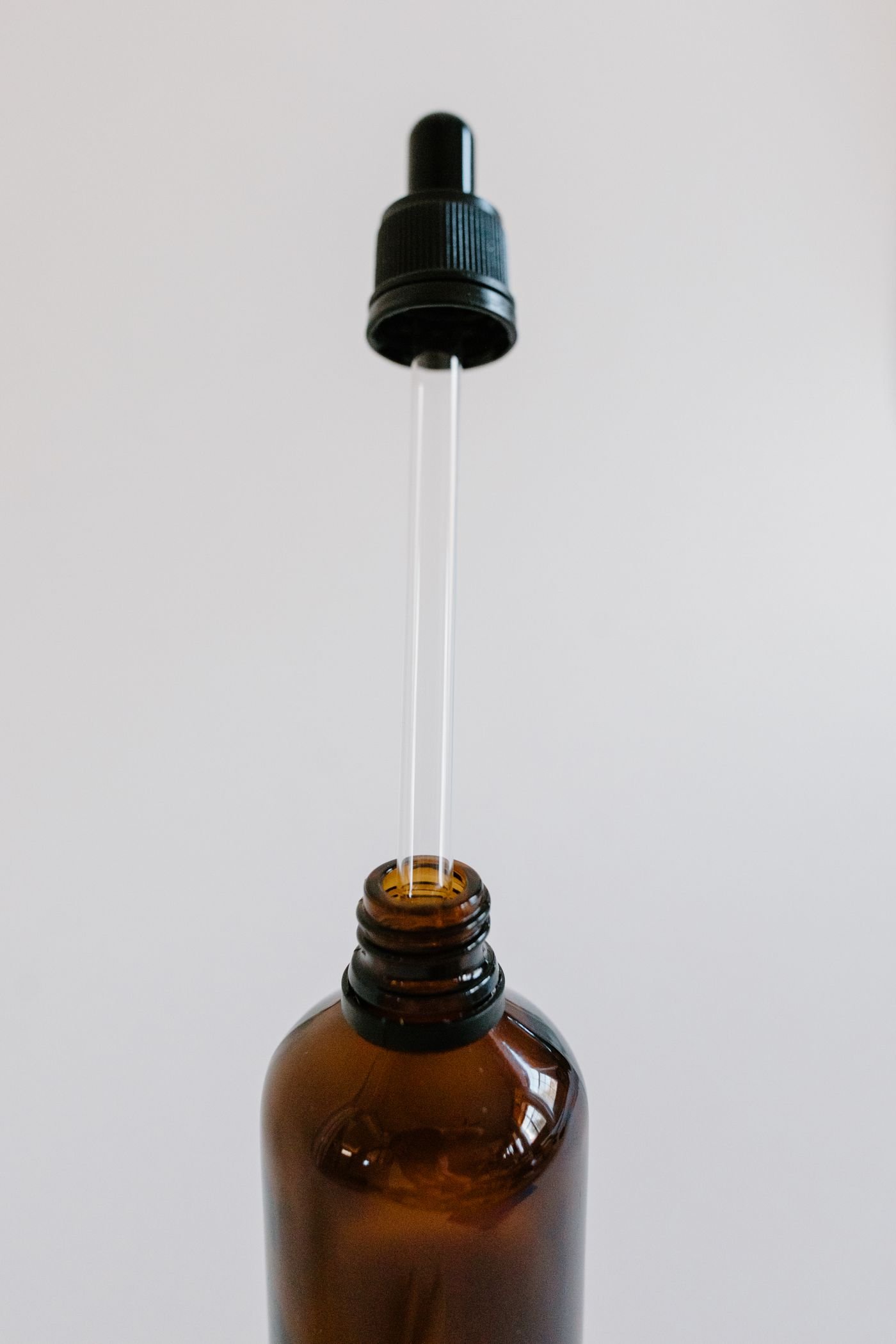
Label selection guide
Match the Label to the Bottle Shape
Shape affects fit more than nominal volume alone. A label that lies flat around a cylinder may wrinkle on a tapered or compound-curved surface.
- Straight-sided round: check diameter, flexible construction and edge adhesion.
- Tapered: circumference changes with height; test the actual shape because a rectangle may wrinkle.
- Square or rectangular: measure the usable panel and allow clearance around corners.
- Oval: changing curvature makes a physical fit test important.
- Irregular or contoured: identify a usable area away from recesses and ridges.
- Dropper or vial: limited height and diameter make information priority and edge fit especially important.
Test the intended application position rather than relying only on a flat artwork proof. Consider how much variation the operator or machine can tolerate without crossing a seam or sloping shoulder.
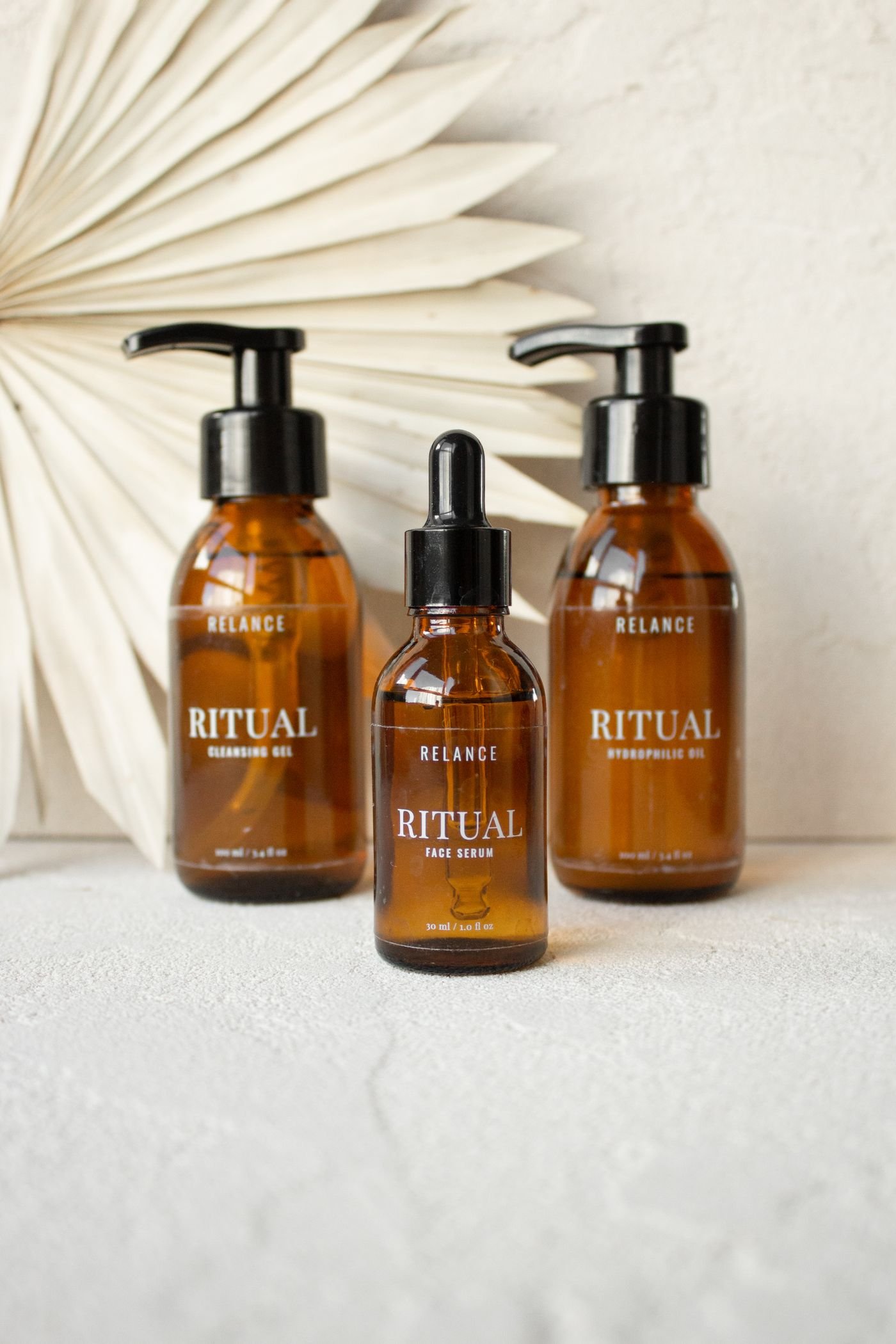
Label selection guide
Choose the Right Label Material
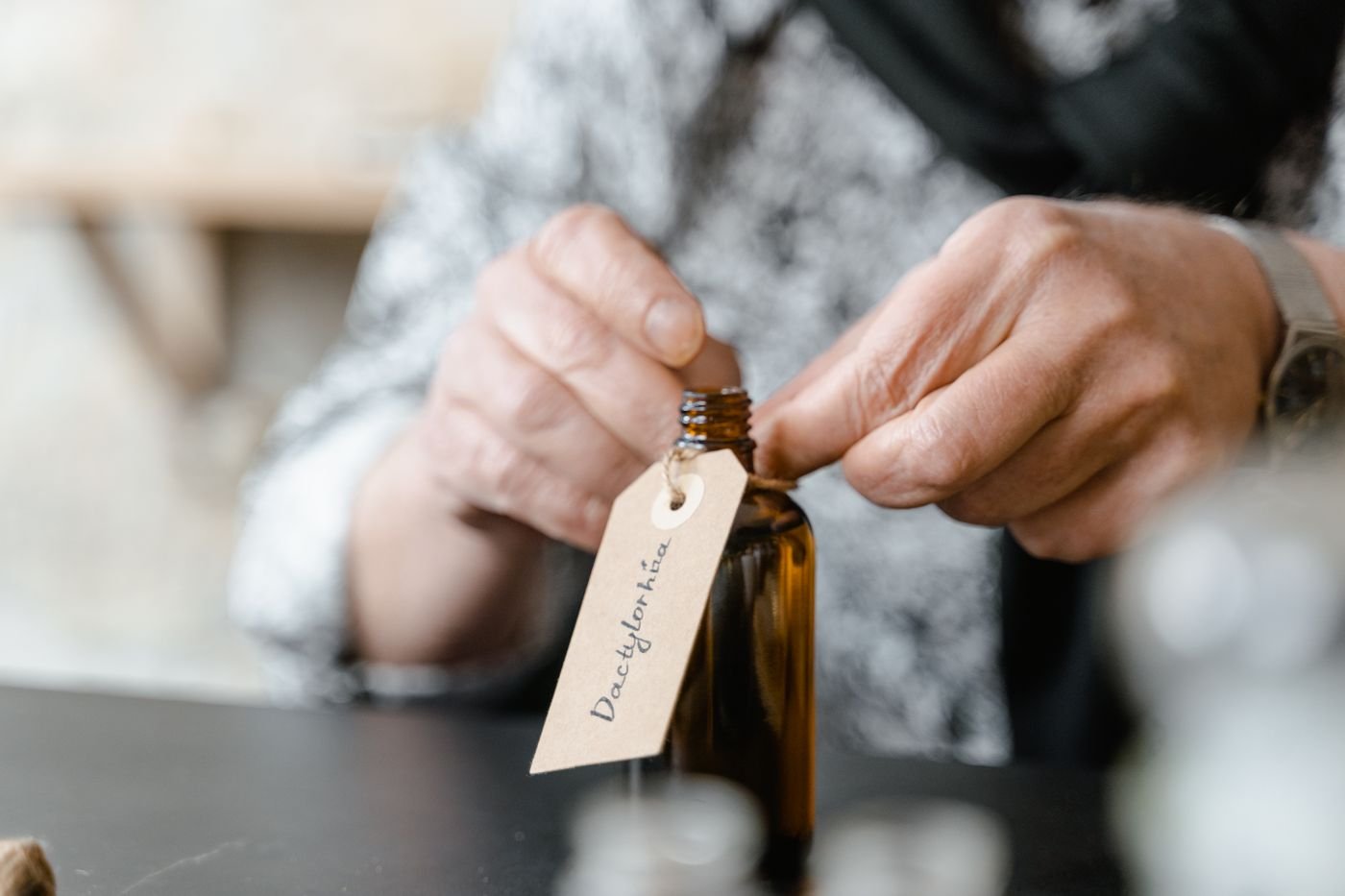
Choose the facestock, print, adhesive and any protective finish as one construction. No material is automatically suitable for every curved bottle, liquid or environment. Confirm the proposed materials and formats with the supplier for your project.
- Paper: consider for dry, low-exposure uses; ask about water, oil and abrasion.
- PET film: consider the specific film’s flexibility on the bottle diameter and its intended conditions.
- PVC film: review the proposed construction against product and market requirements.
- Clear film: check text contrast against both bottle and contents.
- White film: assess appearance, opacity and required performance.
- Metallic or foil: check curvature, glare and code readability.
- Laminate: ask whether the protective layer affects flexibility, adhesion or readability.
- Matte or glossy: compare glare and scuffs in the final environment.
Waterproof bottle labels, oil resistance and durability are project-specific outcomes, not guarantees attached to a material name. Printing method, adhesive, edges and exposure also matter.
Label selection guide
Choose the Right Adhesive
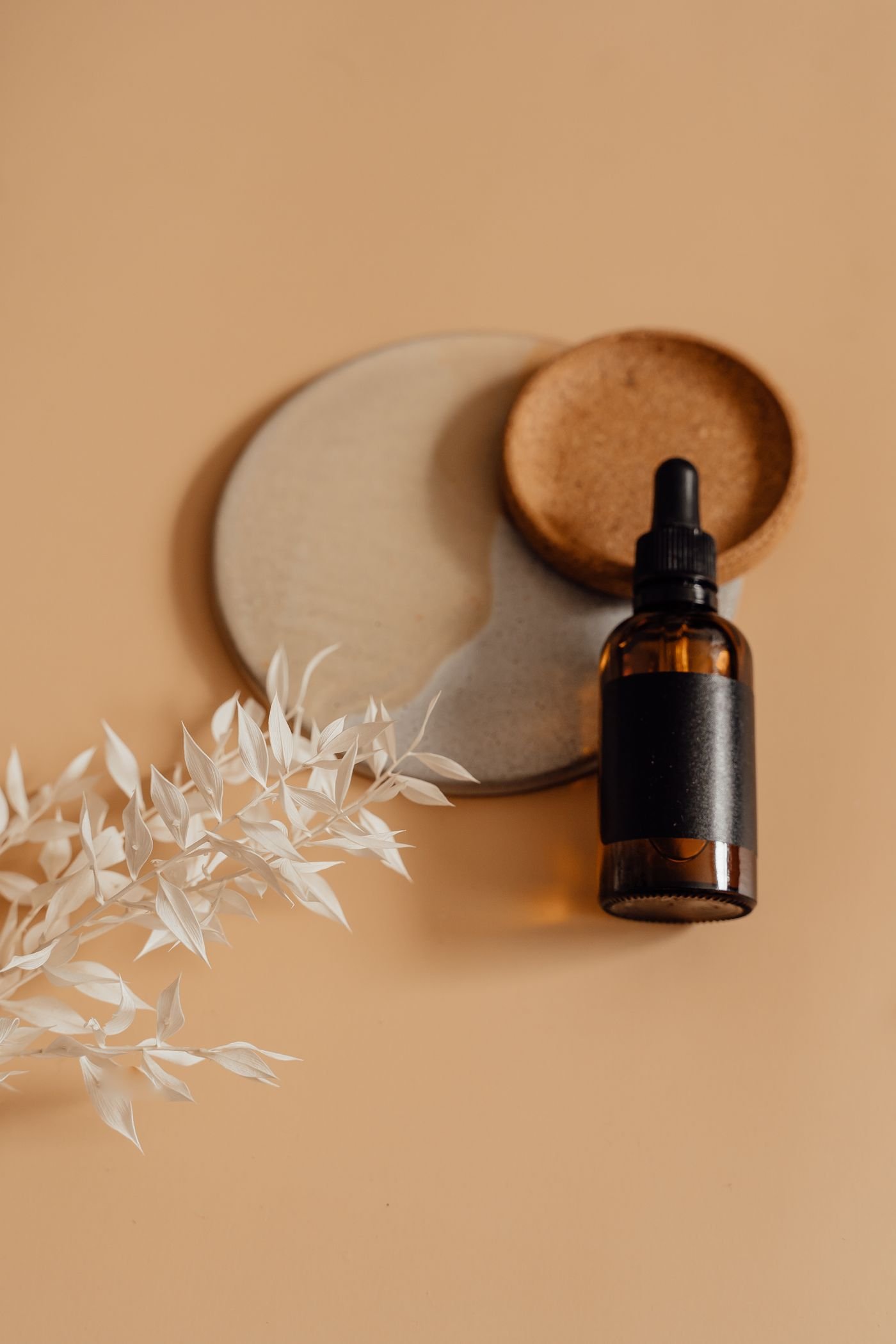
Glass, PET, HDPE and other surfaces can behave differently. Review whether the surface is smooth, textured, coated or treated, and whether the label should remain permanently or be removable.
Clean, dry application conditions matter. Explain application temperature separately from service temperature: a bottle labeled at room temperature and later refrigerated may need a different review from one labeled while cold. Product residue, moisture or oil near the edges can also affect contact.
Initial adhesion is not the same as longer-term performance. Tight curves may encourage edge lifting, especially if the construction or application is unsuitable. Follow supplier instructions and agree a project-specific test on the actual bottle.
Ask: What is the bottle material and surface treatment? Will it be clean and dry? What are the application and storage temperatures? Is permanence required? What exposure and handling are expected? Can the proposed construction be tested?
Label selection guide
Plan the Information on a Small Bottle Label
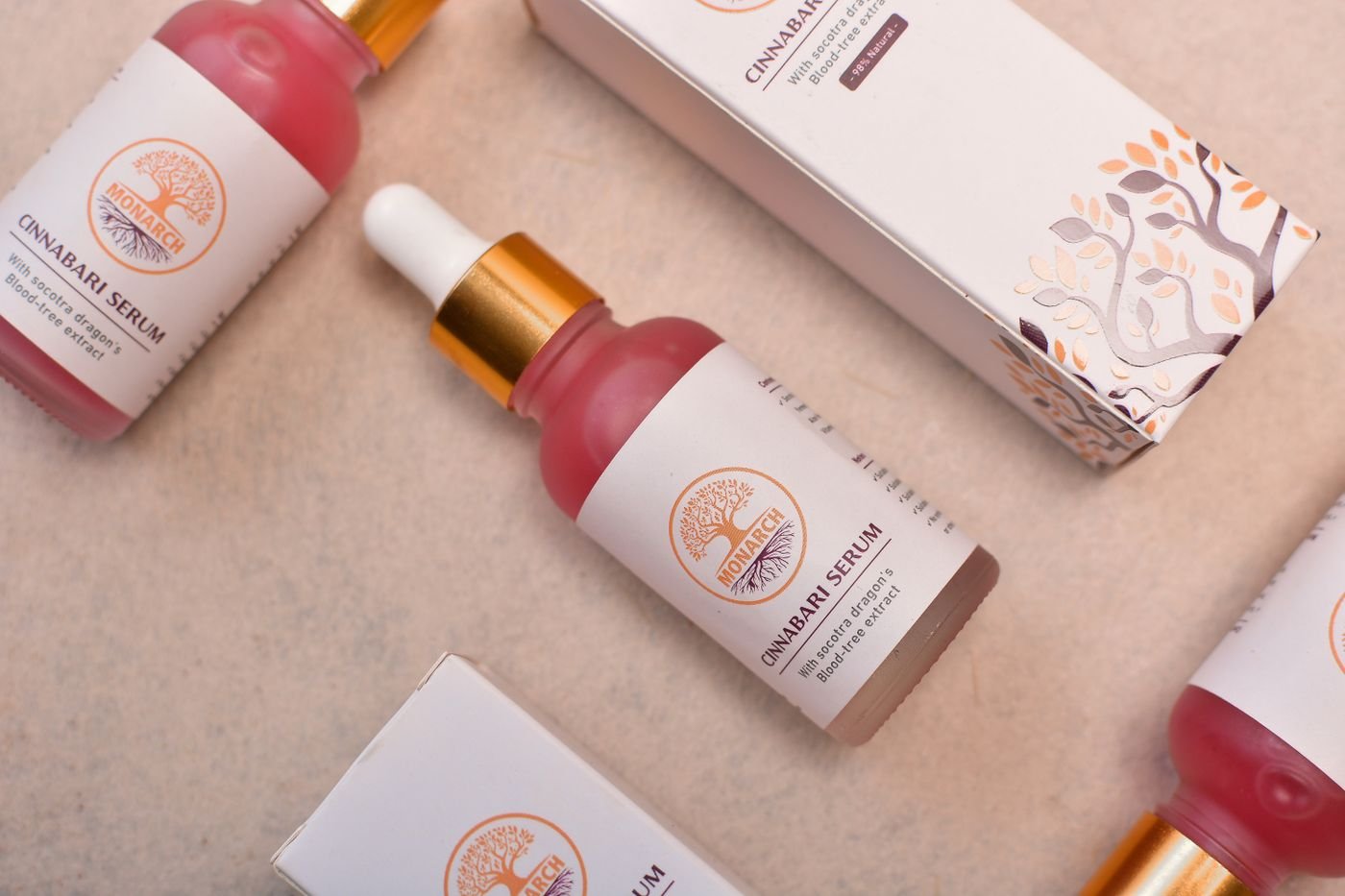
Establish required information before approving dimensions and artwork. Consider product identification, brand, net quantity, ingredients or instructions, warnings, batch or expiry information, codes and responsible-business details as applicable.
Food, cosmetics, chemicals, medical products and other regulated categories can have different requirements by product and target market. The buyer must confirm applicable requirements and approve final content. Do not assume that a QR code or website replaces information legally required on the container or packaging.
If information does not fit, investigate an additional label or outer packaging, subject to applicable rules and supplier capabilities. Confirm readability at actual print size, contrast, code placement, seams and overlaps. A flat proof can look clear while important copy disappears around the curve.
Label selection guide
Compare Small Bottle Label Formats
A front label has limited space; front and back labels provide separate positions but require two placements. A wraparound label can use more of a cylindrical bottle, provided circumference, gap or overlap and code placement are reviewed.
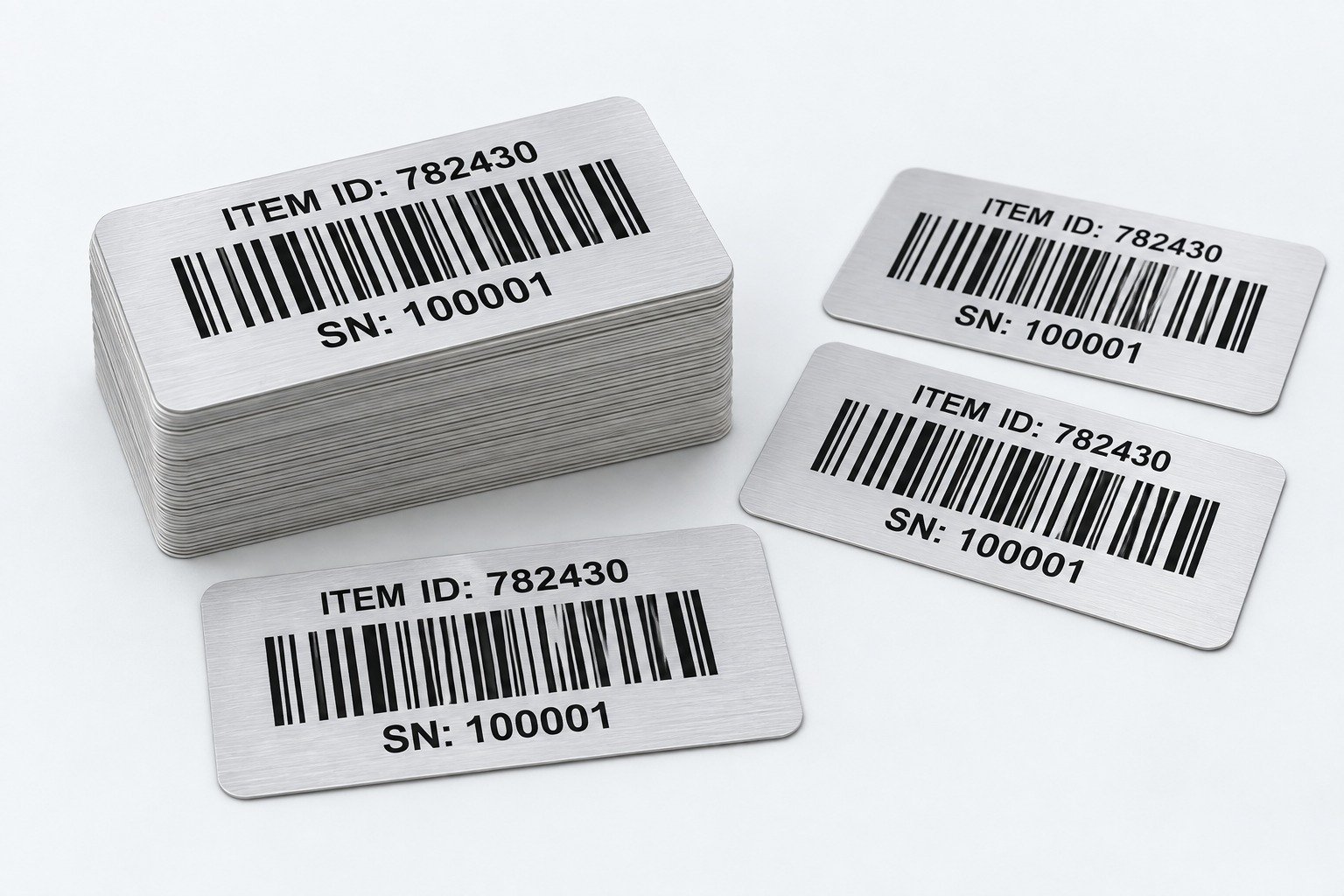
Roll labels may support repeated manual or machine application; confirm roll direction, core size and machine compatibility. Sticker sheets may suit a manual workflow. Die-cut labels can follow a custom shape, but their edges and fit should be checked on the bottle. Variable-data labels can carry different batch codes, serial numbers or other fields when approved data and review instructions are supplied.
Availability of a format depends on the project. Confirm it before designing an application process around it.

Label selection guide
Choose Labels by Product Application
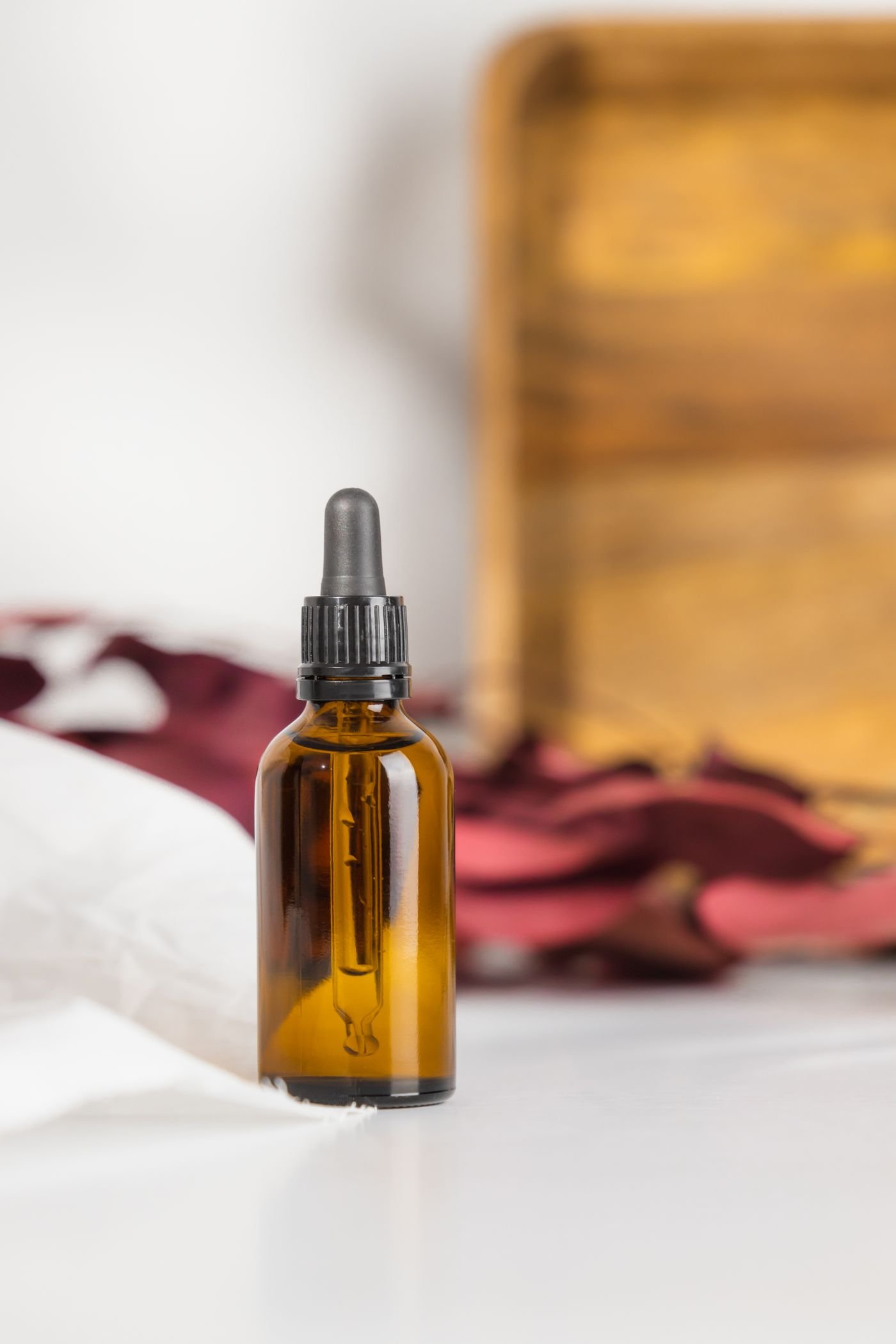
For essential oil bottle labels, consider a small diameter, repeated handling and whether oil can reach the label or its edges. For cosmetic serums, review branding, readability, moisture, product contact and whether the glass or plastic is coated.
Personal care products may encounter bathroom moisture and residue. Small beverage bottles may encounter condensation or refrigeration; specify whether the label is applied before or after chilling. Samples have little information space, while small industrial bottles may need identification, warnings and review of potential chemical contact.
These are planning questions, not material-performance guarantees. Identify actual substances, duration, temperature and handling before choosing a construction.
Label selection guide
Test Small Bottle Labels Before Ordering
A physical test can reveal problems that are not visible on screen. Agree the test method, conditions, duration, acceptance criteria and responsibility for the specific project.
- Check a full-size paper sample for dimensions and placement.
- Apply the proposed construction to a clean bottle under realistic conditions.
- Review fit around the tightest curve.
- Check edges and corners after the agreed evaluation period.
- Review legibility and code readability where applicable.
- Assess relevant moisture, oil, chemicals, temperature, handling and abrasion.
- Confirm the application process and final packing requirements.
- Record the approved bottle, construction and artwork version.
Where project conditions change, revisit the approval. A different coating, bottle supplier or fill process may affect the result even when the nominal container size is unchanged.
Label selection guide
Common Small Bottle Label Mistakes
Do not choose a size only from bottle volume or place artwork across a shoulder without a fit check. Measure the actual usable area and review a physical proof. Do not assume any material conforms to every curve; test the complete construction.
Check the bottle surface and application conditions before selecting adhesive. Prioritize legally required content before adding secondary artwork. For codes, verify type, size, contrast, quiet zones and scan requirements rather than judging a visual proof alone. Identify realistic moisture, oil and temperature exposure before ordering.

Label selection guide
How to Order Labels for Small Bottles
- Identify the product and target market.
- Measure the actual bottle and usable area.
- Choose label position and coverage.
- Define material, finish and adhesive needs.
- Prepare artwork and required information.
- Confirm quantity, format and application method.
- Share exposure conditions and testing expectations.
- Review quotation, proof and sample requirements before production.
Information to Include in Your Inquiry
- Bottle type, material, shape, use, dimensions and photographs or drawings.
- Desired label dimensions, quantity, format and artwork or draft content.
- Preferred material and finish, if known; exposure to moisture, oil, chemicals, temperature, sunlight or abrasion.
- Barcode, QR code, batch or variable-data needs and hand or machine application requirements.
- Sample, proof, testing and documentation expectations.
Explore pressure-sensitive labels, roll labels, die-cut stickers and waterproof labels for related options. Confirm availability for your project.

FAQ
Frequently Asked Questions
What size label should I use for a small bottle?
Measure the actual bottle. The usable height, circumference or panel width, shape and desired coverage determine the size. Bottle volume alone is not sufficient. Make a full-size paper test on the intended location and discuss tolerances with the supplier.
How do I measure a small bottle for a wraparound label?
Measure the usable straight-sided height and circumference at the intended label position using a flexible tape or paper strip. Decide on a deliberate gap or overlap and account for application tolerance. Confirm the result using a full-size paper test on the real container.
What label material works best for small glass bottles?
There is no universal best material. Review diameter, label flexibility, adhesive, contents, exposure, appearance and performance requirements as a complete construction. A project-specific fit and performance evaluation on the actual glass bottle is recommended before production.
Are waterproof labels necessary for small bottles?
Water-resistant or waterproof constructions may be relevant where moisture or condensation is expected. Suitability depends on the full label construction, printing, adhesive and actual exposure. Discuss realistic storage and handling conditions and the desired evaluation criteria with the supplier.
Why do labels lift from small bottles?
Potential causes include tight curvature, a stiff construction, unsuitable adhesive, contamination, excessive label size or application conditions. Check the actual bottle surface and process, then identify the cause through a project-specific evaluation rather than assuming a single material change will solve it.
Can I use the same label size for all 10 mL bottles?
Not necessarily. Bottles with the same nominal volume may have different diameters, usable heights, shoulders and shapes. Measure the actual container and check a full-size sample at the intended position before approving the artwork or ordering labels.
Can small bottle labels include barcodes or QR codes?
Codes can be used where sufficient space exists. Confirm data, symbol type, dimensions, contrast, quiet zones, placement and scanning requirements. Curvature and finishes can affect readability; a successful visual proof alone does not guarantee scanning performance.
Can StikTec help with custom small bottle labels?
Contact StikTec to discuss your bottle dimensions, label requirements, artwork, quantity, and intended conditions of use. Available materials, formats, samples, and project details should be confirmed for your inquiry.
Summary
Find the Right Label for Your Small Bottle
Choosing labels for small bottles starts with the actual usable area, not the stated capacity. Measure the bottle, check its shape and diameter, and test whether the proposed label fits the intended position. Consider the facestock, adhesive, printing and finish together in the real application and storage conditions.
Confirm required information and readability for the product and target market. Review the artwork at its final size, including code placement where applicable. Agree a proof and a test on the actual bottle before production, with suitable evaluation conditions and responsibilities. Contact StikTec to discuss the label dimensions, artwork and intended use for your project.

Project inquiry
Discuss Your Small Bottle Label Project
Share your bottle dimensions, label quantity, application conditions, and any artwork or material requirements. StikTec can review the details with you.
Email: stik@stiktec.com
Phone: +86 13026625634
WhatsApp
No. 69, West Shipai Avenue, Shipai Town, Dongguan City, Guangdong Province
Related articles
Related Label Guides
What Are Self-Adhesive Labels? Structure, Materials and Common Uses
Learn about label facestocks, adhesives, liners, materials, and common product applications.
What Is Die-Cutting in Custom Sticker Printing?
Discover how die-cutting creates custom sticker and label shapes for different products and packaging.
What Is Variable Data Printing?
Explore how labels can include changing batch codes, serial numbers, barcodes, and other product information.