
StikTec custom label guide
Custom Labels for Glass Bottles
Custom labels for glass bottles should be selected by reviewing the actual bottle shape, labeling area, surface condition, application method, and expected exposure to moisture, handling, temperature, or product residue. A label that works on bare, straight-sided glass may not perform the same way on coated, frosted, curved, or refrigerated bottles.
For B2B buyers, the useful starting point is the real container and its intended use—not bottle capacity alone. This guide helps brand owners, packaging engineers, procurement teams, and product managers prepare a practical, project-specific label brief.
In This Guide
- Glass surfaces, label panels, materials, adhesives, and finishes
- Applications, moisture exposure, testing, and ordering information
- Artwork content, barcodes, batch data, and buyer responsibilities
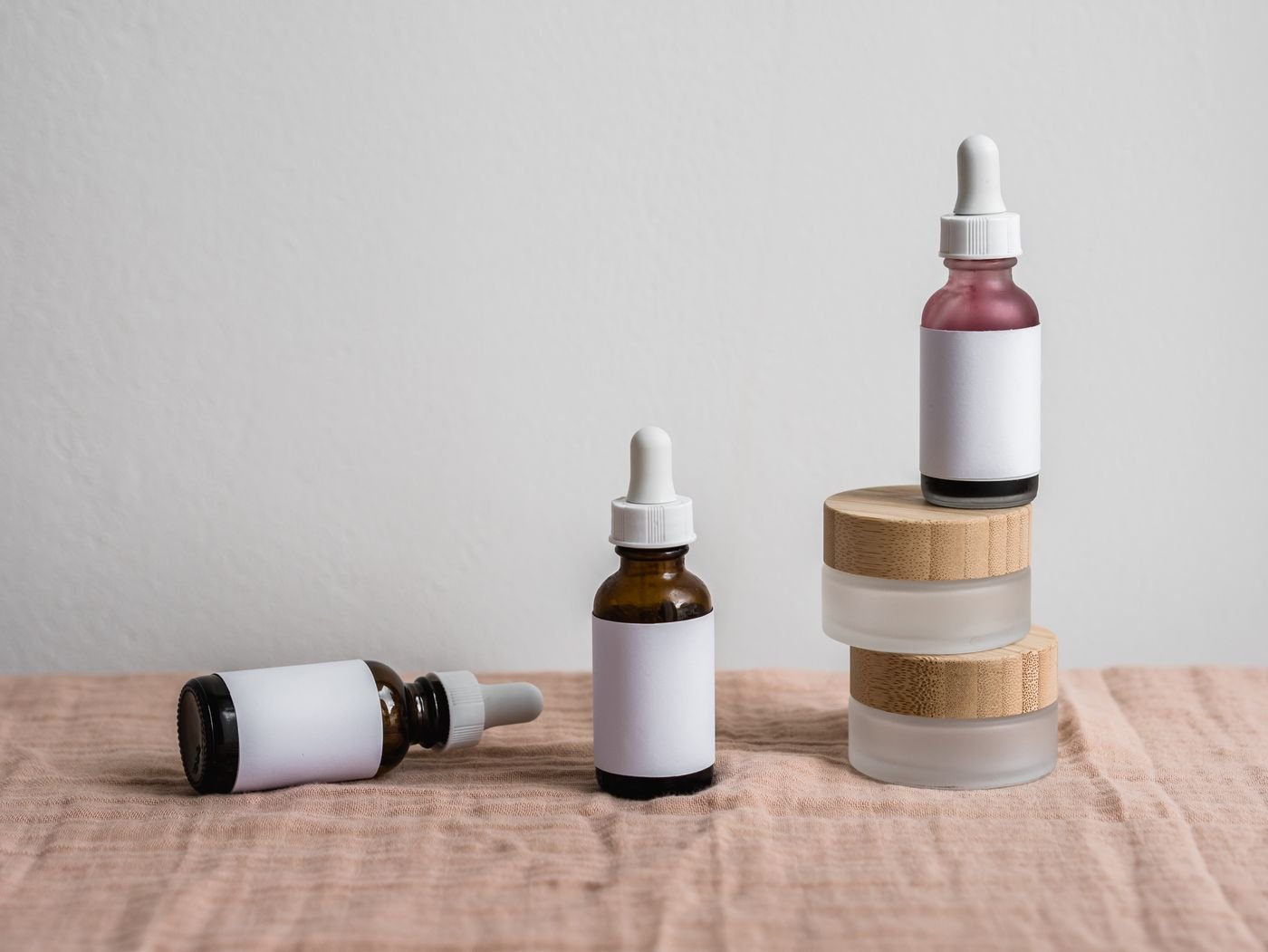
Glass bottle label planning
Choosing Custom Labels for Glass Bottles
Glass can look simple, yet the label does not adhere to an abstract category called “glass.” Clear, colored, frosted, coated, painted, and textured bottles can each present a different contact surface and visual background. A bottle’s panel may be cylindrical, tapered, recessed, flat, or irregular. Mould seams, embossing, shoulders, and base curves can all restrict where a label sits.
Review the filled bottle as well as the empty one. Condensation, refrigeration, product residue, repeated handling, scuffing, and storage can change the demands placed on the final construction. Buyers should describe their actual conditions rather than assuming a familiar material name guarantees performance.
| Selection area | Buyer planning point |
|---|---|
| Bottle shape | Affects label size, edge fit, and application consistency. |
| Surface finish | Can influence adhesive contact and visual appearance. |
| Label construction | Material stiffness and flexibility affect conformity to curves. |
| Application conditions | Cleanliness, temperature, and moisture can affect adhesion. |
| Required content | Codes, batch data, warnings, and product information need space. |
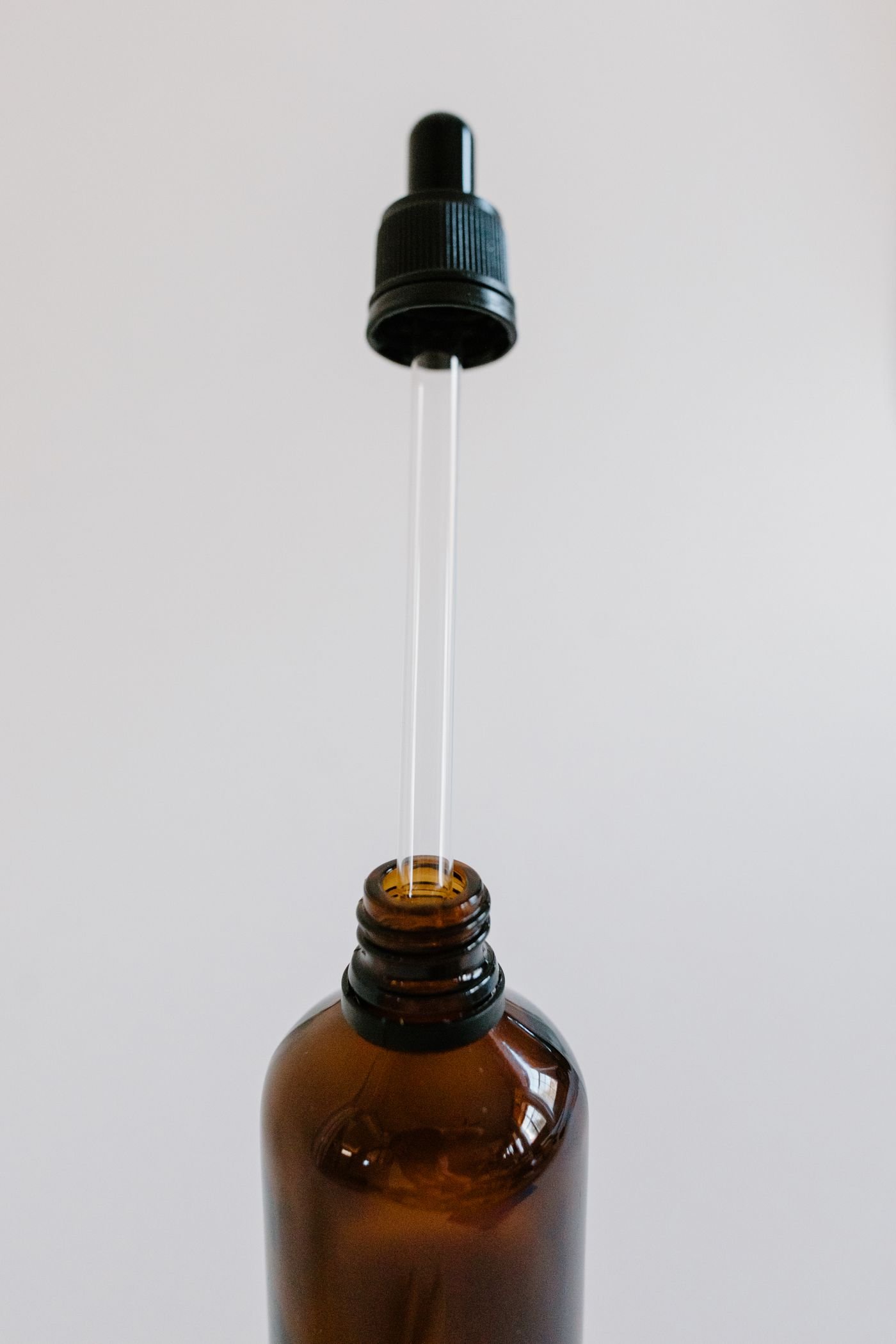
Glass bottle label planning
Understand the Glass Bottle Surface
Ask how the visible glass has been made and decorated. Bare smooth glass can offer a different labeling surface from frosted, sprayed, coated, textured, or embossed glass. Frosting can change both perceived transparency and the contact characteristics of the surface. Paint or spray decoration can introduce another coating that should be disclosed. Texture, ridges, and embossed details may reduce smooth contact or interfere with the label edge.
Share a physical bottle, clear photographs, a drawing, or a marked label panel whenever possible. That information helps prevent artwork being placed across a mould seam, a deep curve, or an uneven decoration area. It also gives the supplier a realistic basis for discussing the proposed construction.
| Selection area | Buyer planning point |
|---|---|
| Clear smooth glass | Standard panel planning |
| Frosted glass | Different contact and transparency |
| Painted or sprayed glass | Coating compatibility review |
| Textured or embossed glass | Reduced contact area |
| Coated glass | May differ from bare glass |
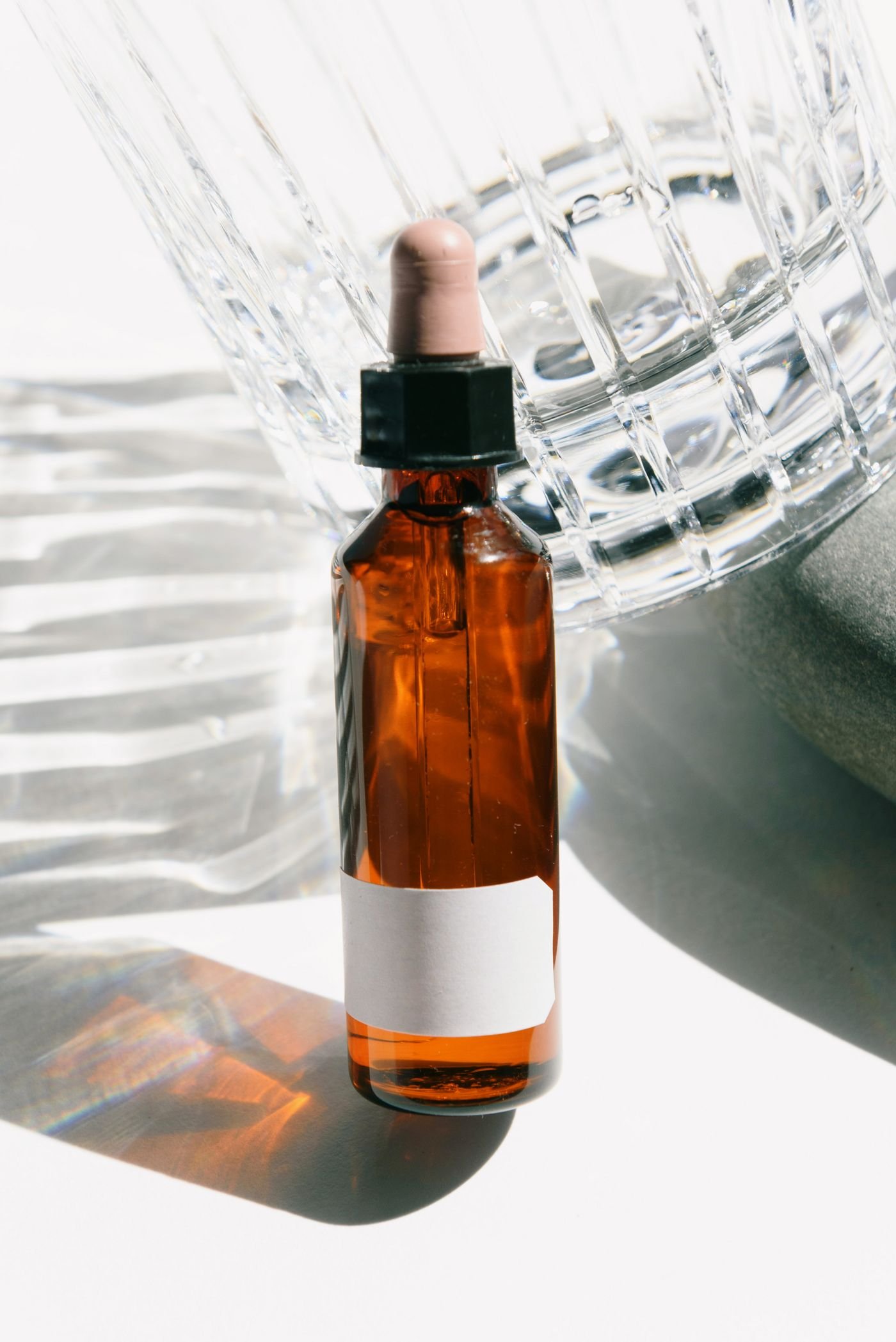
Glass bottle label planning
Measure the Usable Label Area
Nominal capacity does not determine the correct label size. Two bottles with the same volume can have different diameters, shoulders, base curves, seams, and usable panels. Start with the exact bottle and the actual place where the label will be applied.
- Choose a front, back, or wraparound position.
- Measure usable height between shoulder and base curves.
- Measure circumference at the application position on round bottles.
- Mark seams, embossing, ridges, and changes in diameter.
- Decide on a deliberate gap or overlap.
- Create a full-size paper mock-up.
- Apply it to the bottle and check fit and content placement.
- Confirm final dimensions before production.
For an approximately cylindrical bottle, circumference can be estimated as diameter × π. A 30 mm diameter bottle has an estimated circumference of about 94 mm. This is only a planning estimate; it does not replace a physical check on a tapered or irregular container.
| Checklist item | Confirm before approval |
|---|---|
| Usable panel height | Confirm this detail against the actual bottle and project conditions. |
| Bottle diameter or circumference | Confirm this detail against the actual bottle and project conditions. |
| Shoulder and base curve location | Confirm this detail against the actual bottle and project conditions. |
| Mould seam location | Confirm this detail against the actual bottle and project conditions. |
| Cap clearance and desired coverage | Confirm this detail against the actual bottle and project conditions. |
| Gap or overlap | Confirm this detail against the actual bottle and project conditions. |
| Manual or machine application method | Confirm this detail against the actual bottle and project conditions. |
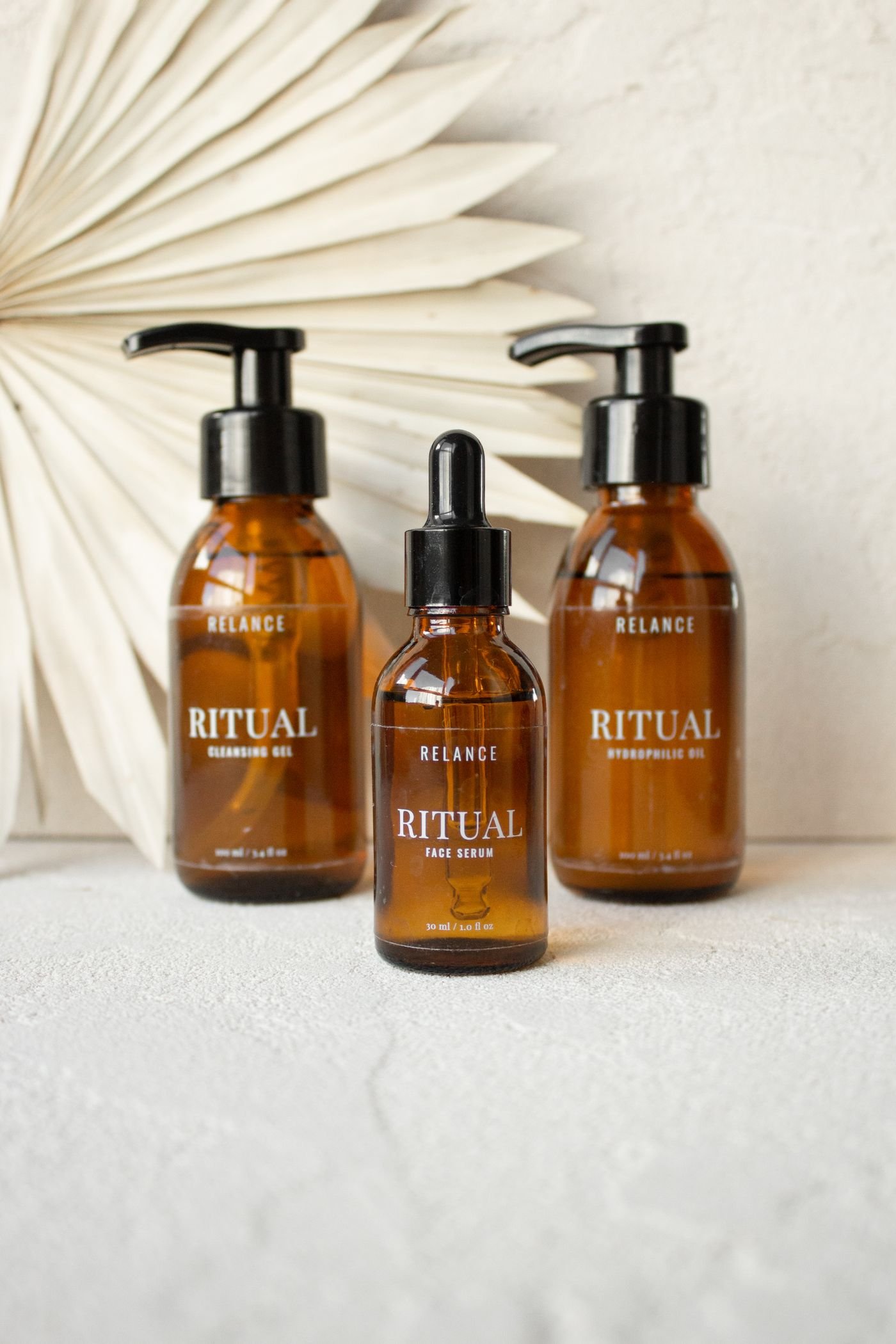
Glass bottle label planning
Choose Glass Bottle Label Materials
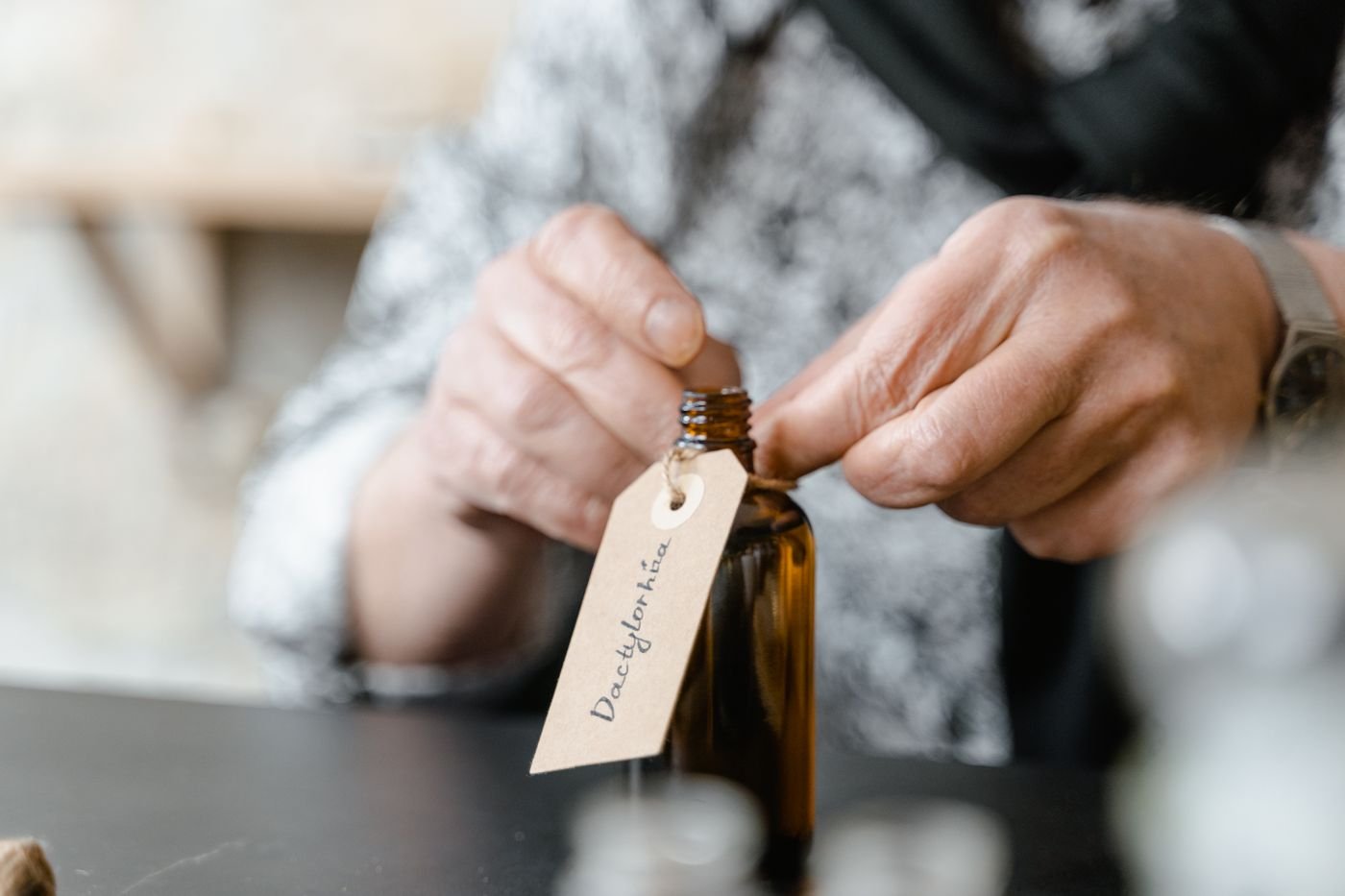
Material is only one component of a finished label. The facestock, adhesive, printing, protective finish, bottle surface, label shape, and end-use environment should be reviewed together. A material considered for a durable identification project is not automatically suitable for every curved bottle or every moisture condition.
Paper can be considered for dry and lower-exposure uses. Film constructions, clear or white materials, metallic effects, matte or glossy finishes, and laminates each create different appearance and planning questions. Final material selection should be confirmed against the actual bottle, dimensions, decoration process, application conditions, and service environment.
| Selection area | Buyer planning point |
|---|---|
| Paper label | Dry and lower-exposure uses |
| PET or PVC film | Application-specific graphic or identification needs |
| Clear film | Bottle or contents remain visible |
| White film | Opaque print background |
| Metallic or foil | Metallic appearance |
| Matte, glossy, laminate | Visual or surface-protection planning |
Glass bottle label planning
Match the Adhesive to the Glass Bottle
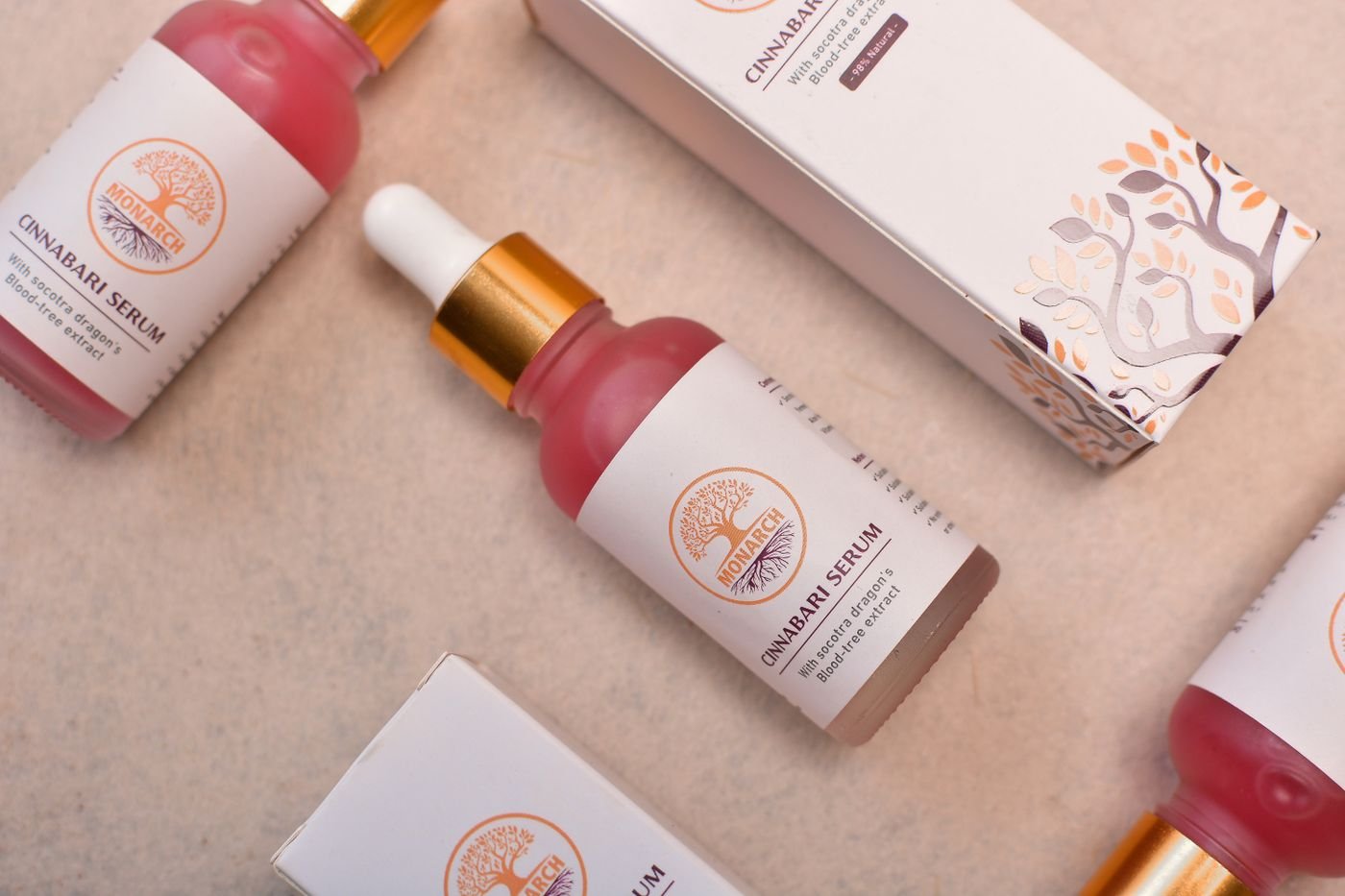
Adhesive selection should account for the real bottle surface and actual conditions during application and use. Permanent, removable, and repositionable needs are different buyer decisions. Clean, dry bottles at application can behave differently from bottles affected by condensation, dust, oil, product residue, or a cold fill process.
Application temperature and service temperature should be described separately. A label applied at room temperature and then refrigerated can have a different planning requirement from one applied while cold. Tight curves can also create edge stress, particularly where the label is too large or construction is not suited to the panel.
| Selection area | Buyer planning point |
|---|---|
| Exact bottle surface and treatment | Confirm this detail against the actual bottle and project conditions. |
| Clean and dry application state | Confirm this detail against the actual bottle and project conditions. |
| Application and storage temperatures | Confirm this detail against the actual bottle and project conditions. |
| Condensation or refrigeration | Confirm this detail against the actual bottle and project conditions. |
| Oil, alcohol, chemicals, or spills | Confirm this detail against the actual bottle and project conditions. |
| Curve, taper, seam, or texture | Confirm this detail against the actual bottle and project conditions. |
| Permanent, removable, or repositionable need | Confirm this detail against the actual bottle and project conditions. |
| Actual-bottle evaluation for demanding conditions | Confirm this detail against the actual bottle and project conditions. |
Glass bottle label planning
Label Formats for Glass Bottles
Format changes the available information space and the application workflow. A front label supports branding and product identification; a back label can carry ingredients, instructions, warnings, or business details. Front-and-back sets separate these functions but require two reliable placement areas.
Wraparound labels can use more surface area on cylindrical bottles, provided circumference, gap or overlap, seam position, and code placement are checked. Roll labels may suit repeated manual or machine application; confirm roll direction, core, and machine requirements. Die-cut labels and clear labels should also be checked on the actual curve and against the bottle contents.
| Selection area | Buyer planning point |
|---|---|
| Front label | Branding and identity |
| Back label | Detailed information |
| Front and back | Separate brand and details |
| Wraparound | More cylindrical area |
| Roll label | Repeated application |
| Die-cut or clear | Decorative or bottle-forward |
Glass bottle label planning
Plan Information for a Glass Bottle Label
Confirm product information before finalizing label size, material, or artwork. Prioritize product name and brand identification, product description, quantity, instructions, warnings, batch or date fields, codes, and responsible-business details as applicable. The required content depends on the product category and sales market; buyers are responsible for validating legal requirements and language.
Readability should be assessed at final print size. Transparent, colored, or frosted glass can change contrast. Avoid placing important text across seams, deep curves, and overlaps. Reserve enough clear area for barcodes or QR codes, and ensure any human-readable number matches approved variable code data where required.
| Selection area | Buyer planning point |
|---|---|
| Product name and brand | Confirm this detail against the actual bottle and project conditions. |
| Product description and quantity | Confirm this detail against the actual bottle and project conditions. |
| Ingredients, instructions, or warnings where applicable | Confirm this detail against the actual bottle and project conditions. |
| Batch, lot, date, or traceability data | Confirm this detail against the actual bottle and project conditions. |
| Barcode or QR code requirements | Confirm this detail against the actual bottle and project conditions. |
| Responsible-business or origin information where applicable | Confirm this detail against the actual bottle and project conditions. |

Glass bottle label planning
Custom Labels by Glass Bottle Application
Wine and spirit bottles can involve neck labels, premium finish goals, colored or textured glass, handling, and storage. Beverage bottles can add refrigeration, condensation, and barcode placement. Olive oil and sauces can introduce kitchen handling and residue. Cosmetic, serum, and essential-oil bottles often have small panels, premium appearance needs, and limited information space.
Pharmaceutical, laboratory, and industrial examples may need identification, traceability, warning content, or defined service conditions. These are planning examples, not material-performance guarantees. Describe the bottle, product, exposure, market requirements, and intended process so the project can be considered on its own facts.
| Selection area | Buyer planning point |
|---|---|
| Wine and spirits | Shape, neck labels, premium finish |
| Beverages | Condensation and refrigeration |
| Oil and sauces | Residue and kitchen handling |
| Cosmetics and serums | Small panels and moisture |
| Essential oils | Small diameter and oily handling |
| Industrial products | Warnings and exposure |
Glass bottle label planning
Plan for Moisture and Storage Conditions
Label performance can change when bottles encounter moisture, cold storage, condensation, sunlight, or repeated handling. A label should be evaluated for the conditions it will actually experience, not only for how it appears during initial application.
Define the bottle cleanliness, dryness, application temperature, storage temperature, exposure duration, handling, and likely residue. For projects involving water, oil, cleaning agents, sunlight, or abrasion, explain the real exposure level and ask how the proposed construction should be evaluated.
| Selection area | Buyer planning point |
|---|---|
| Condensation | Reduced contact during application |
| Refrigeration | Suitability may differ |
| Frequent handling | Scuffing or edge wear |
| Oil or water contact | Contamination or staining |
| Sunlight or abrasion | Colour or surface wear |
Glass bottle label planning
Test Custom Labels on Actual Glass Bottles
A physical evaluation can reveal fit, adhesion, curvature, readability, and application issues that a screen proof cannot show. For demanding applications, agree the test conditions, duration, acceptance criteria, and responsibilities before production.
- Confirm final dimensions and surface condition.
- Fit a full-size paper mock-up.
- Apply the proposed construction to a production bottle.
- Review position, seams, corners, and curved contact.
- Assess readability under normal handling.
- Check barcode or QR code function when required.
- Review after relevant storage or exposure.
- Record approved bottle, construction, artwork, and process.
| Selection area | Buyer planning point |
|---|---|
| Fit and edge contact | Confirm this detail against the actual bottle and project conditions. |
| Text and code readability | Confirm this detail against the actual bottle and project conditions. |
| Relevant moisture and temperature | Confirm this detail against the actual bottle and project conditions. |
| Artwork and bottle version | Confirm this detail against the actual bottle and project conditions. |
| Application method and packing requirements | Confirm this detail against the actual bottle and project conditions. |
Glass bottle label planning
Avoid Common Glass Bottle Label Problems
Edge lifting can relate to surface condition, curvature, material flexibility, adhesive, or application conditions. Wrinkles on a tapered bottle often reveal that the label shape or usable panel has not been checked physically. Clear labels can become difficult to read when opacity, background, product colour, or glass finish is not considered.
Other avoidable problems include content that does not fit, condensation during application, barcodes without sufficient size or contrast, coated glass that was not disclosed, and uncontrolled artwork versions. A precise bottle-specific brief prevents more problems than a generic label specification.
| Selection area | Buyer planning point |
|---|---|
| Edges lift | Review surface, curve, construction, and application |
| Wrinkles | Measure and test actual tapered panel |
| Low contrast | Check opacity, contents, and finish |
| Code does not scan | Confirm size, quiet zones, and environment |
| Wrong file | Use controlled artwork approval |

Glass bottle label planning
How to Order Custom Labels for Glass Bottles
Order from a defined product brief. Identify the bottle and destination market, share dimensions and photographs, describe coatings or frosting, define label format and quantity, provide artwork or content, and identify exposure requirements. State barcode, QR, batch, or variable-data requirements, then confirm proof, sample, packing, and application expectations before production.
Information to Include in Your Inquiry
- Product type, glass bottle use, volume, dimensions, and photographs
- Surface details, desired label position, dimensions, quantity, and format
- Artwork files or content draft; material, finish, and adhesive direction if known
- Moisture, oil, chemicals, refrigeration, sunlight, or abrasion exposure
- Barcode, QR code, batch code, serial number, and hand or machine application needs
- Sample, proof, testing, or documentation expectations
Explore Pressure-Sensitive Labels, Roll Labels, Waterproof Labels, and Barcode Labels for related directions.
| Checklist item | Confirm before approval |
|---|---|
| Bottle and market | Confirm this detail against the actual bottle and project conditions. |
| Dimensions and surface | Confirm this detail against the actual bottle and project conditions. |
| Artwork and required content | Confirm this detail against the actual bottle and project conditions. |
| Quantity and application method | Confirm this detail against the actual bottle and project conditions. |
| Exposure conditions | Confirm this detail against the actual bottle and project conditions. |
| Proof and documentation requirements | Confirm this detail against the actual bottle and project conditions. |

FAQ
Frequently Asked Questions About Glass Bottle Labels
What labels work best on glass bottles?
The best option depends on the glass surface, bottle shape, required appearance, application conditions, product environment, and adhesive needs. There is no universal label construction. Review the complete construction on the actual bottle, including the selected material, adhesive, dimensions, print, finish, and expected exposure.
Can labels stick to frosted or coated glass bottles?
They can be considered, but frosting, spray coatings, and other treatments may change adhesion and appearance. Disclose the finish, share a sample bottle or detailed photographs, and evaluate the proposed construction on the actual container before larger production.
How do I measure a glass bottle for a custom label?
Measure usable panel height, circumference or panel width, shoulder and base curves, seams, and restricted areas. Decide whether a wraparound format needs a gap or overlap. A full-size paper mock-up applied to the actual bottle is a practical fit check before artwork is approved.
Are clear labels suitable for glass bottles?
Clear labels can show the bottle or contents, but readability depends on print opacity, background contrast, glass finish, and product colour. Review important text, code placement, and contrast at actual size rather than judging a flat design alone.
Why do glass bottle labels peel or lift?
Possible causes include moisture, condensation, dust, surface coatings, unsuitable adhesive, tight curves, stiff materials, poor contact, or unsuitable application conditions. Review the actual surface and process to identify the cause rather than assuming one material change will solve every issue.
Can glass bottle labels be refrigerated?
Refrigerated storage and condensation should be defined during project planning. Material and adhesive suitability depend on the temperature range, application condition, and moisture exposure. Confirm the actual operating conditions and evaluate the proposed construction where appropriate.
Can glass bottle labels include barcodes, QR codes, or batch numbers?
They can, provided the buyer confirms content, code type, physical dimensions, contrast, quiet zones, placement, scanning environment, and any required verification process. Curves, reflections, and final print size can affect usability.
Can StikTec provide custom labels for glass bottles?
Contact StikTec with bottle specifications, artwork, quantity, application conditions, and performance requirements. Available label constructions, project samples, and order details should be confirmed for the specific inquiry.

Conclusion
Choose Glass Bottle Labels with Confidence
Custom labels for glass bottles begin with the real container, not only its capacity. Measure the usable panel, identify surface conditions, and account for shoulders, seams, curves, coatings, and decoration. Select material, finish, and adhesive for the expected application and storage environment rather than relying on a generic claim.
Reserve space for required information and codes, then inspect artwork at actual size. A paper mock-up and a proposed label applied to the actual bottle can identify fit, edge, contrast, and readability issues before larger production. Share your bottle specifications and intended conditions with StikTec to discuss a custom glass bottle label project.

Project inquiry
Discuss Your Glass Bottle Label Project
Share your bottle dimensions, glass surface details, label quantity, artwork, and intended conditions of use. StikTec can review the project requirements with you.
E-mail: stik@stiktec.com
Phone: +86 13026625634
WhatsApp: wa.link/l98mzc
Address: No. 69, West Shipai Avenue, Shipai Town, Dongguan City, Guangdong Province
Related articles
Related Label Guides
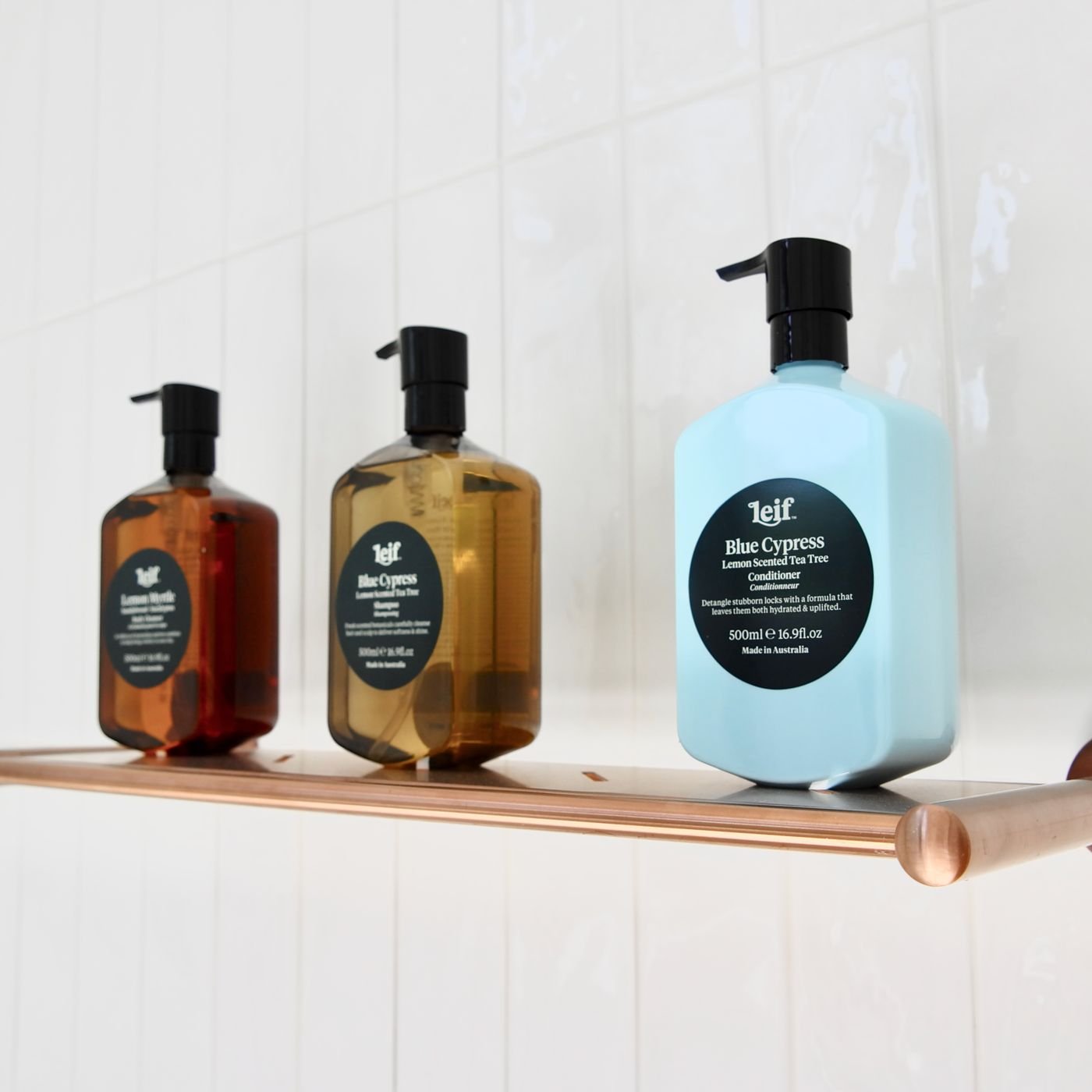
How to Choose Labels for Small Bottles
Learn how shape, size, materials, adhesives, and exposure affect small bottle labels.
What Are Self-Adhesive Labels?
Explore facestocks, adhesives, liners, and common pressure-sensitive label uses.
What Is Variable Data Printing?
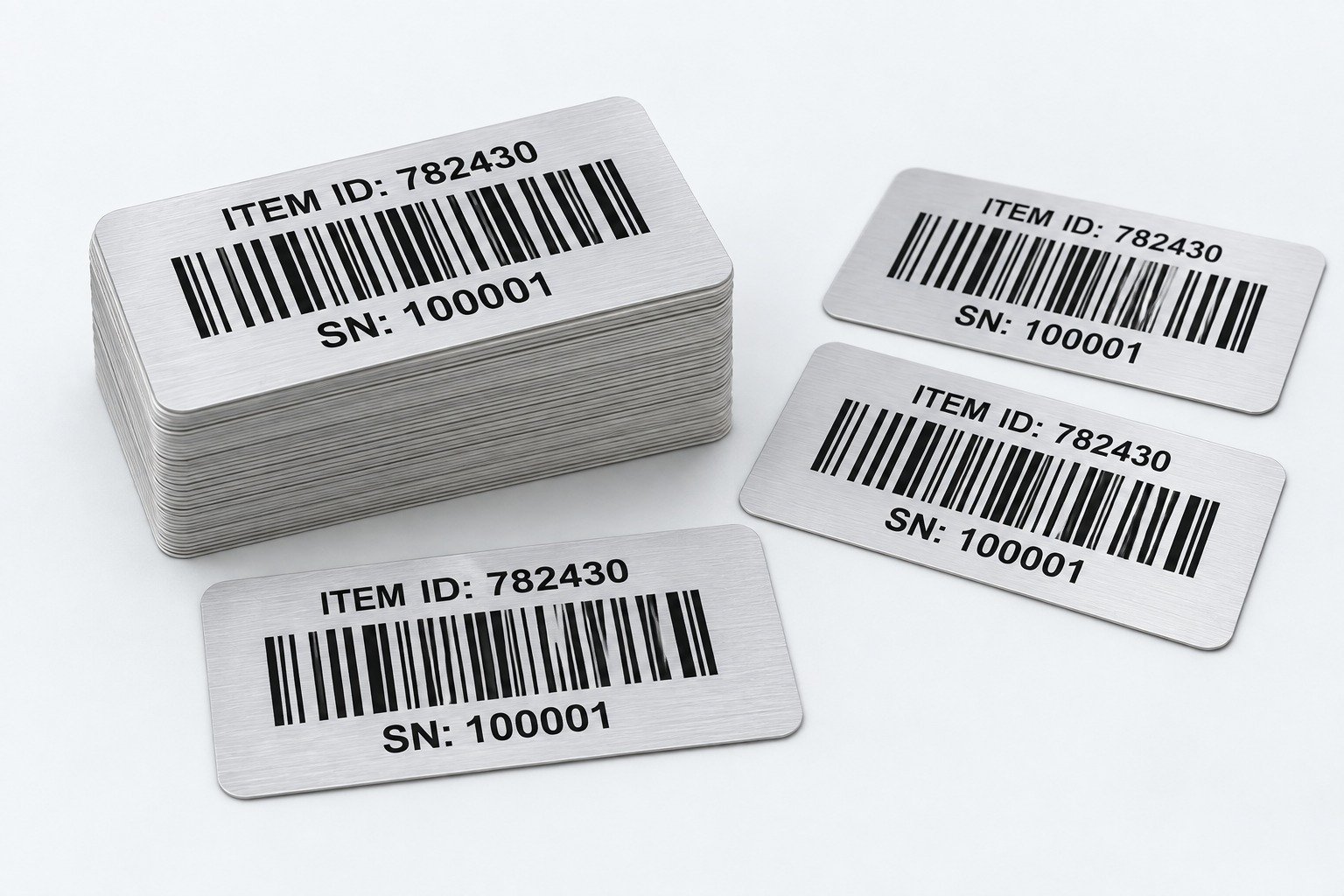
Understand labels with changing batch codes, serial numbers, barcodes, and QR codes.