
StikTec label selection guide
Labels for Plastic Bottles
Labels for plastic bottles should be selected according to the bottle resin, surface condition, bottle shape, label material, adhesive, application method, and expected use environment. PET, HDPE, PP, and other plastics can have different surface properties, so the right label construction should be confirmed on the actual bottle.
A B2B label brief should describe the real container, product, and conditions rather than simply asking for a material by name. This guide gives product managers, packaging engineers, brand teams, and buyers a structured way to prepare that discussion.
In This Guide
- Plastic types, materials, adhesives, squeeze bottles, and formats
- Moisture, product exposure, recycling considerations, and testing
- Artwork content, ordering information, and practical buyer questions
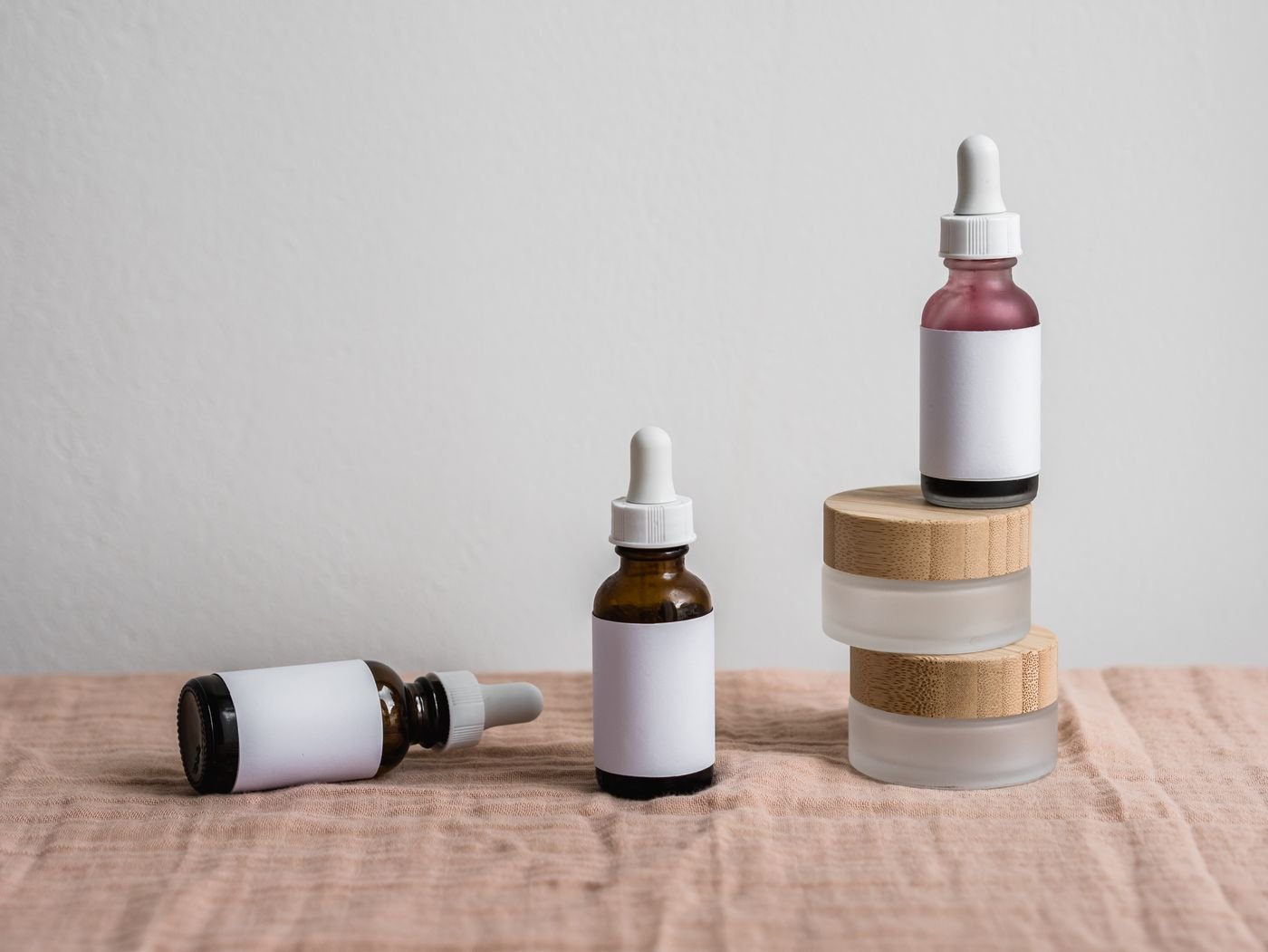
Plastic bottle label planning
Choosing Labels for Plastic Bottles
Different plastics have different surface properties. Low-surface-energy plastics can be more challenging for adhesive bonding. Curved, tapered, and squeezable bottles can stress edges, while mould-release agents, dust, oils, coatings, and residues can reduce contact. Moisture, refrigeration, chemicals, handling, and abrasion can introduce additional project considerations.
Plastic recycling design is also regional. A bottle’s resin, label material, adhesive, decoration, product residue, collection stream, and recycling-process requirements should be considered together. Do not treat a generic material or recyclability statement as a project conclusion.
| Planning area | Buyer action |
|---|---|
| Plastic resin | PET, HDPE, PP, and other materials can need different adhesive directions. |
| Bottle condition | Residue, coatings, and contamination can reduce contact. |
| Shape and flexibility | Curves and squeeze panels affect conformity and edge lift. |
| Environment | Moisture, temperature, oil, chemical contact, and abrasion matter. |
| Application method | Manual and machine application can need different formats. |
| Recycling pathway | Regional systems may prefer different approaches. |
Plastic bottle label planning
Understand Plastic Bottle Materials
The bottle resin is a valuable starting point, but it is not the only selection factor. PET can be clear or rigid, while coatings, curves, recycled content, and end use still matter. HDPE and PP can require careful adhesive matching because their surfaces may be more difficult to bond to. LDPE squeeze bottles introduce repeated flexing; PVC or specialty containers should be reviewed as their own projects.
Bottle resin codes and generic material names are useful starting points. The actual surface treatment, additives, recycled content, bottle moulding process, and incoming consistency can influence how a label performs. Share a sample or production specification when possible.
| Planning area | Buyer action |
|---|---|
| PET | Water, soft drinks, juices, and personal care |
| HDPE | Milk, shampoo, detergent, cleaners |
| PP | Cosmetic and food containers |
| LDPE | Flexible squeeze bottles |
| PVC | Selected specialty containers |
| Recycled plastic | Bottles with recycled resin |
Plastic bottle label planning
Why Plastic Surface Energy Matters
Surface energy affects how well an adhesive can spread across and contact a bottle surface. Some plastics, especially polyethylene and polypropylene types, can be more difficult to label than glass or some PET bottles because the adhesive may not wet the surface as easily.
This is a planning explanation, not a claim that a particular resin always needs one answer. Coatings, texture, moulding additives, treatment, mould-release residue, and the actual application environment can all change the result. Provide the bottle or its specification and define your attachment, removal, and end-of-life expectations.
| Planning area | Buyer action |
|---|---|
| PET bottle | May be easier than some polyolefins |
| HDPE bottle | May need low-surface-energy direction |
| PP bottle | Careful adhesive matching |
| LDPE squeeze bottle | Flexing affects edges |
| Coated plastic | Adhesive contacts coating |
| Recycled-content bottle | Surface may vary |
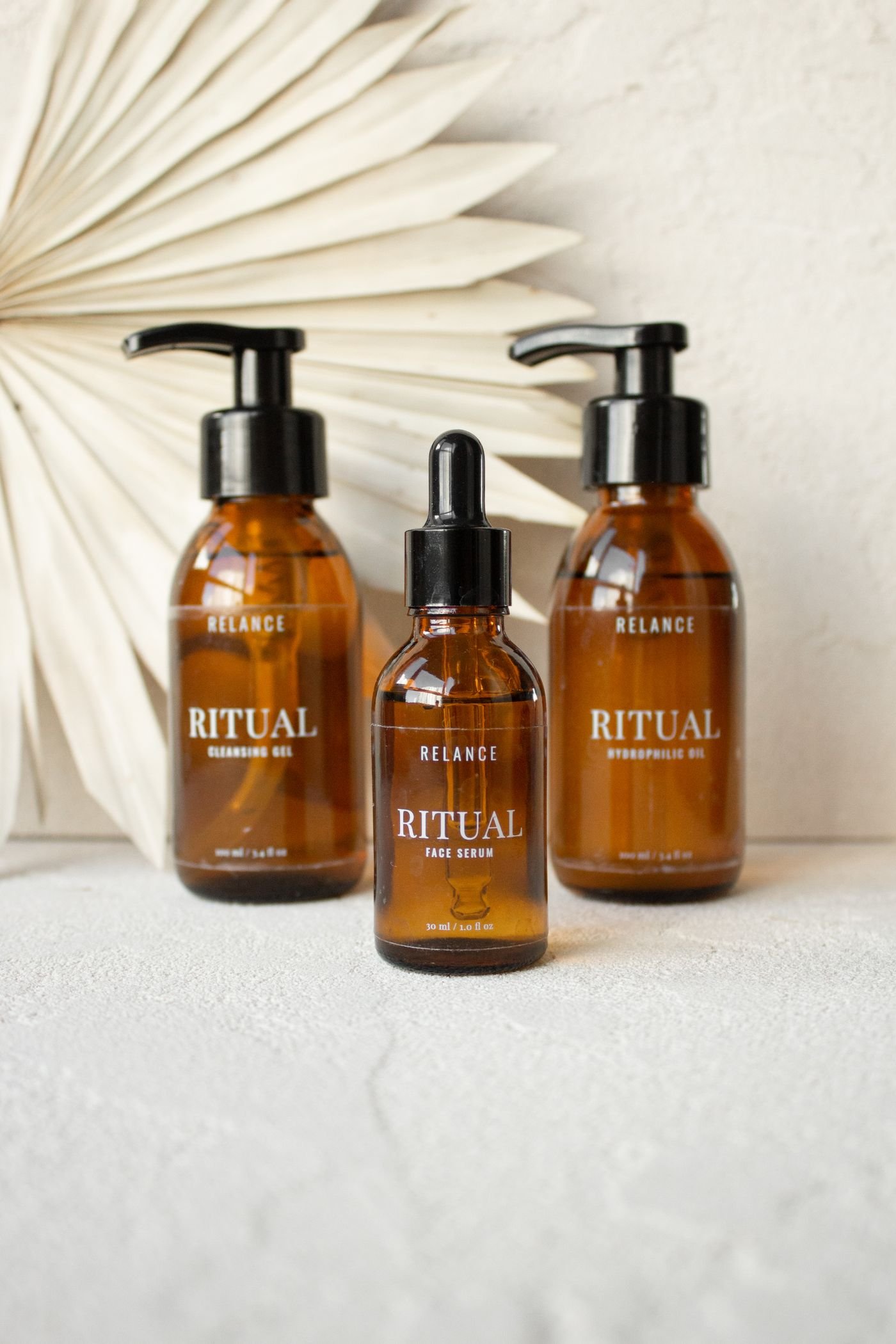
Plastic bottle label planning
Choose Label Materials for Plastic Bottles
The facestock should be selected together with adhesive and end-use environment. Paper may suit dry and lower-exposure applications. PET, PP, PE, clear, and white film directions create different flexibility, opacity, and visual planning questions. Matte, glossy, and laminated surfaces should be reviewed as part of the final construction.
Final material selection should be confirmed for the actual bottle and conditions of use. Do not assume a construction is waterproof, chemical-resistant, oil-resistant, freezer-safe, UV-resistant, or recyclable without project-specific confirmation.
| Planning area | Buyer action |
|---|---|
| Paper | Dry and lower exposure |
| PET film | Durable or selected exposure needs |
| PP film | Rigid packaging |
| PE film | Flexible or squeeze containers |
| Clear film | Transparent presentation |
| White film | Opaque print base |
| Matte, glossy, laminate | Appearance or surface planning |
Plastic bottle label planning
Choose the Right Adhesive for Plastic Bottles
The adhesive should be selected based on the bottle’s real surface, not only its generic material category. Permanent, removable, and repositionable needs are different. PET, HDPE, PP, and LDPE can differ; curves, small diameters, squeeze movement, residue, dust, product spills, and mould-release agents add more variables.
Describe clean and dry application conditions, application temperature, storage temperature, refrigeration, moisture, oils, chemical exposure, and expected handling. For demanding applications, a physical fit and adhesion evaluation on the actual production bottle is a useful project step; StikTec does not claim that a particular test is automatically provided.
| Planning area | Buyer action |
|---|---|
| Exact bottle material | Confirm this point for the actual bottle and intended conditions. |
| Smooth, textured, coated, printed, or treated surface | Confirm this point for the actual bottle and intended conditions. |
| Rigid, tapered, curved, or squeezable shape | Confirm this point for the actual bottle and intended conditions. |
| Clean and dry application state | Confirm this point for the actual bottle and intended conditions. |
| Mould-release residue or contamination | Confirm this point for the actual bottle and intended conditions. |
| Cold, wet, oily, or chemical exposure | Confirm this point for the actual bottle and intended conditions. |
| Permanent or removable requirement | Confirm this point for the actual bottle and intended conditions. |
| Actual production-bottle evaluation | Confirm this point for the actual bottle and intended conditions. |
Plastic bottle label planning
Labels for Squeezable Plastic Bottles
Squeeze bottles can add stress because the container changes shape during normal use. A label that looks acceptable on a rigid sample can wrinkle, crack, lift, or distort after repeated squeezing. The filled bottle, not only an empty sample, should be considered.
Review label stiffness, adhesive direction, coverage, edge position, finish, product residue, and repeated flexing together. Larger labels can experience more stress across a flexible panel. Describe the real use cycle and confirm the full construction before approval.
| Planning area | Buyer action |
|---|---|
| Bottle flexibility | Container changes during use |
| Label stiffness | May resist movement |
| Adhesive | Edge stress can increase |
| Label size | Large coverage adds stress |
| Product exposure | Residue may reach edges |
| Finish | Can affect flexibility |

Plastic bottle label planning
Label Formats for Plastic Bottles
Format affects information space and application workflow. Front labels support product identity; back labels can carry instructions, ingredients, warnings, or business information. Front-and-back sets require two dependable placement areas. Wraparound labels require circumference, gap or overlap, and seam review.
Roll labels can support repeated manual or machine application when the supplied direction, core, and machine requirements are confirmed. Die-cut labels should fit the actual curve. Clear labels need adequate print opacity and contrast. Variable-data labels require controlled data and code specifications.
| Planning area | Buyer action |
|---|---|
| Front label | Brand and product identity |
| Back label | Detailed information |
| Front and back | Separate brand and details |
| Wraparound | More cylindrical coverage |
| Roll label | Repeated application |
| Die-cut or clear | Custom form or appearance |
| Variable data | Codes and changing fields |

Plastic bottle label planning
Plan Product Information for Plastic Bottle Labels
Determine required information before finalizing dimensions or artwork. Prioritize product name and brand, product description, quantity, relevant instructions and warnings, batch or date fields, codes, and responsible-business details. Product category and target market determine what information is required; the buyer must verify legal content, language, format, and placement.
At actual size, check text contrast against clear, colored, or opaque plastic. Keep important information off seams, deep curves, and overlap zones. Reserve sufficient space around barcodes and QR codes, and confirm that visible numbers match approved code data where that relationship is required.
| Planning area | Buyer action |
|---|---|
| Product name and brand | Confirm this point for the actual bottle and intended conditions. |
| Product description and quantity | Confirm this point for the actual bottle and intended conditions. |
| Instructions or warnings where applicable | Confirm this point for the actual bottle and intended conditions. |
| Batch, lot, date, or serial information | Confirm this point for the actual bottle and intended conditions. |
| Barcode or QR code | Confirm this point for the actual bottle and intended conditions. |
| Market-specific responsible-business information | Confirm this point for the actual bottle and intended conditions. |

Plastic bottle label planning
Plan for the Bottle’s Use Environment
Labels should be chosen for real application and service conditions, not solely for their initial appearance on an empty bottle. Refrigeration can introduce condensation and lower temperatures. Bathroom products can face water and repeated handling. Oil, product residue, cleaning agents, household chemicals, sunlight, outdoor use, and abrasion can each change the project requirements.
Describe exposure accurately rather than choosing a label based on a broad claim. Define temperatures, duration, contact points, handling level, and the product involved. The selected material, adhesive, ink, finish, bottle resin, and construction need to be considered as one system.
| Planning area | Buyer action |
|---|---|
| Refrigeration | Condensation and temperature |
| Bathroom use | Moisture and handling |
| Oil or residue | Contamination or staining |
| Household chemicals | Construction may matter |
| Outdoor use | Environment may be relevant |
| Industrial handling | Abrasion and identification |

Plastic bottle label planning
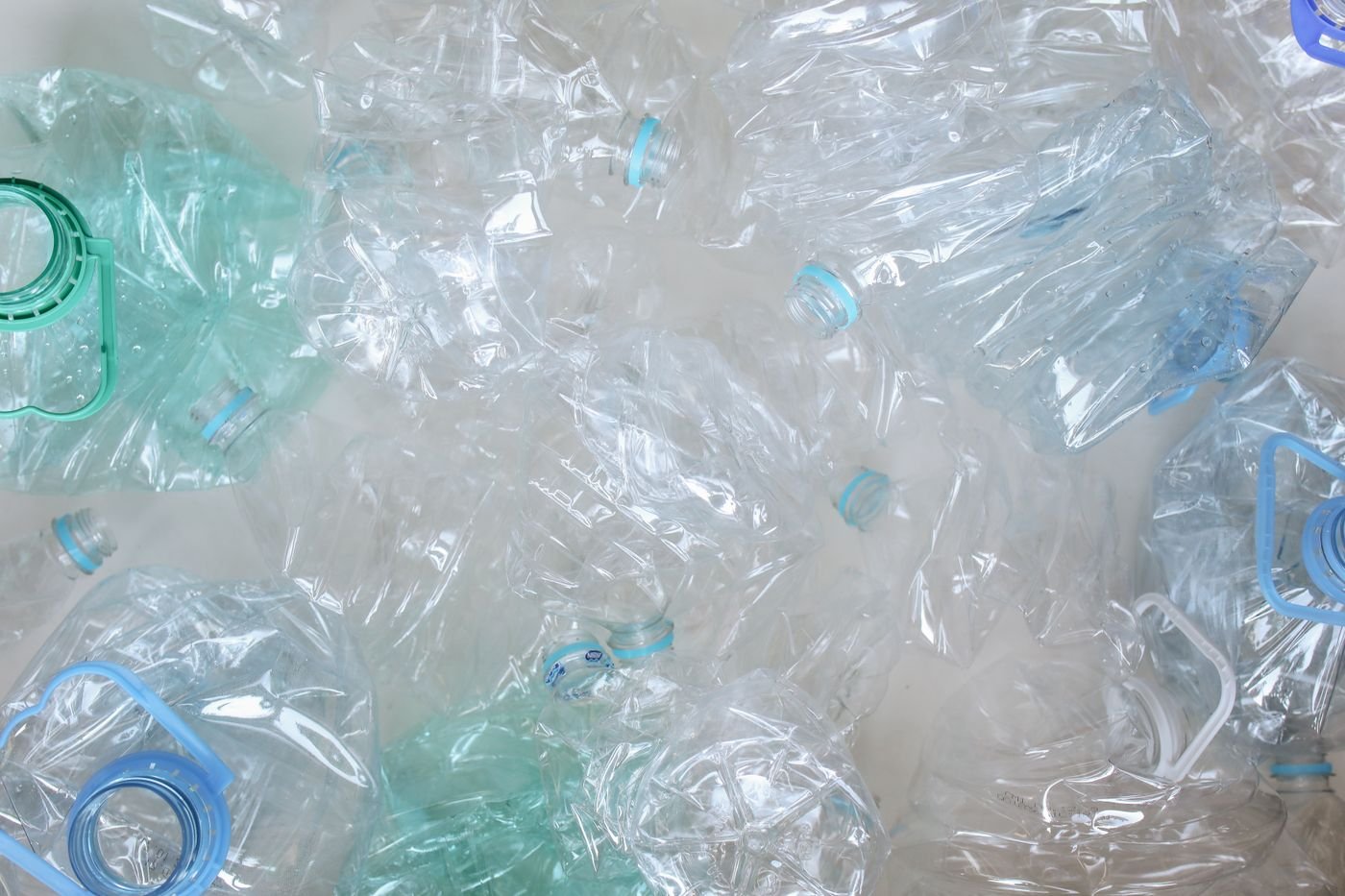
Consider Plastic Bottle Recycling
Label recyclability depends on bottle resin, label material, adhesive, inks, coverage, local collection systems, and recycling-process requirements. There is no global one-size-fits-all recycling claim. A label that is appropriate in one region or stream may not be appropriate in another.
For recycling claims or design-for-recycling requirements, consult the applicable local program, brand policy, recycling organization, and material supplier. Do not make a recyclability claim without project-specific validation.
| Planning area | Buyer action |
|---|---|
| Bottle resin | Different resins may enter different streams |
| Label material | May affect sorting and processing |
| Adhesive | Some systems have separation requirements |
| Label coverage | May influence sortability |
| Multiple layers or metallic decoration | Can affect local outcomes |
| Collection region | Infrastructure and guidance vary |
Plastic bottle label planning
Test Labels on Actual Plastic Bottles
Actual-bottle evaluation can identify fit, adhesion, edge lift, squeeze stress, readability, and environmental issues before larger production. Confirm the production bottle resin, shape, finish, and sample condition; measure the panel and apply a full-size mock-up. Then review the proposed construction around curves, seams, shoulders, and squeeze areas.
- Confirm resin, shape, finish, and sample condition.
- Measure the usable panel and fit a paper mock-up.
- Apply the proposed label to an actual bottle.
- Review edges, seams, curves, and squeeze areas.
- Check graphics and code readability.
- Assess relevant storage, moisture, temperature, and handling.
- Confirm application method and packing.
- Record approved bottle, construction, artwork, and criteria.
| Planning area | Buyer action |
|---|---|
| Fit and edge contact | Confirm this point for the actual bottle and intended conditions. |
| Squeeze stress | Confirm this point for the actual bottle and intended conditions. |
| Text and code readability | Confirm this point for the actual bottle and intended conditions. |
| Relevant exposure conditions | Confirm this point for the actual bottle and intended conditions. |
| Artwork and bottle version | Confirm this point for the actual bottle and intended conditions. |
Plastic bottle label planning
Avoid Common Plastic Bottle Label Problems
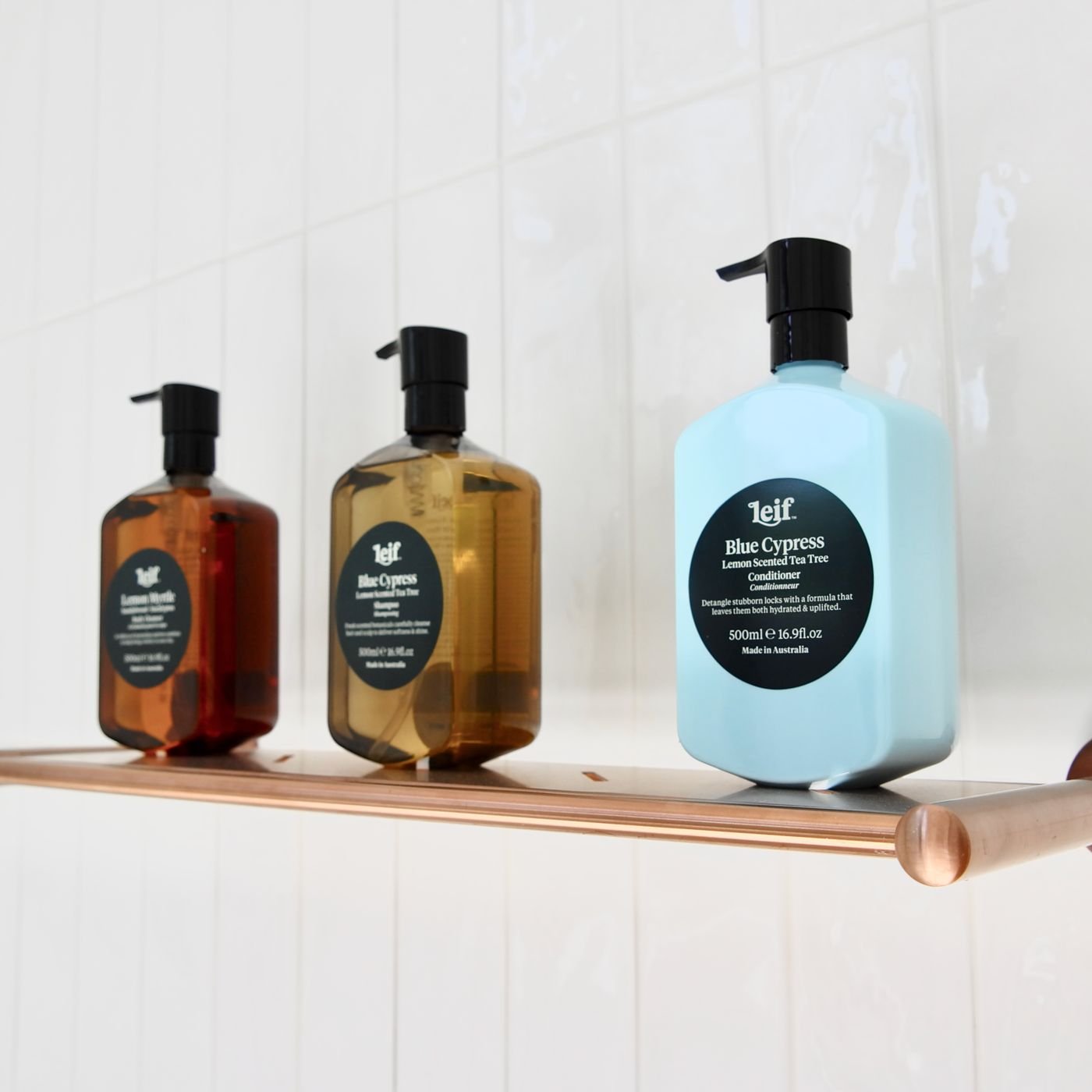
Edges lifting on HDPE or PP can indicate that the resin, surface condition, adhesive direction, curvature, or application process requires review. Wrinkles on a tapered bottle show why real measurements and a full-size fit test matter. Clear labels may be difficult to read if print opacity, bottle colour, and product colour are not considered together.
Other common problems include labels lifting after repeated squeezing, barcode failure, cold-storage performance being assumed from a visual proof, unclear recycling claims, and wrong artwork being applied. A controlled bottle-specific brief and approval process gives a better outcome than a generic specification.
| Planning area | Buyer action |
|---|---|
| Edges lift | Confirm resin, surface, adhesive, and application |
| Wrinkles | Measure and test actual bottle |
| Squeeze lifting | Evaluate flexibility and edge position |
| Weak contact | Check residue, oil, coating, or dust |
| Low contrast | Check opacity and background |
| Barcode failure | Confirm data, size, zones, and environment |
| Wrong file | Use controlled revision references |
Plastic bottle label planning
How to Order Labels for Plastic Bottles
Start the purchase process with a precise brief. Identify the product, bottle resin, and market; share dimensions, photographs, drawings, or a sample; describe surface treatment, recycled content, coatings, and moulding conditions if known. Then define label position, size, quantity, format, artwork, material direction, finish, adhesive needs, and exposure requirements.
Information to Include in Your Inquiry
- Product category, bottle resin, application, sample, dimensions, and photos
- Shape, texture, coating, treatment, label position, size, quantity, and format
- Artwork or content draft; preferred material, finish, and adhesive direction if known
- Moisture, oil, chemical, temperature, UV, and abrasion exposure
- Barcode, QR code, batch, serial-number, hand or machine application requirements
- Proof, sample, evaluation, packing, or documentation expectations
Explore Pressure-Sensitive Labels, Roll Labels, Waterproof Labels, and Barcode Labels for related directions.
| Planning area | Buyer action |
|---|---|
| Product, resin, and market | Confirm this point for the actual bottle and intended conditions. |
| Bottle sample and dimensions | Confirm this point for the actual bottle and intended conditions. |
| Surface details and artwork | Confirm this point for the actual bottle and intended conditions. |
| Format and application method | Confirm this point for the actual bottle and intended conditions. |
| Exposure requirements | Confirm this point for the actual bottle and intended conditions. |
| Proof and documentation expectations | Confirm this point for the actual bottle and intended conditions. |
Approval control
Control Artwork and Bottle Versions
Plastic bottle label projects often involve several versions at once: a product may have different scents, sizes, markets, language packs, cap colours, bottle suppliers, or fills. A label that fits one version may not fit the next if the diameter, panel, coating, or moulding has changed. Treat the bottle specification and artwork revision as linked project documents.
Use clear file names that identify the product, bottle size, market, language, and revision. Keep the approved label dimensions with the artwork rather than relying on memory or an older email. If a bottle supplier changes, check whether the new container has the same panel, resin, surface, and moulding process before assuming that an earlier label approval still applies.
Practical Approval Checklist
- Confirm the bottle sample or drawing matches the intended production version.
- Confirm artwork, code data, languages, and legal-content responsibility.
- Record the selected material, adhesive direction, finish, and label dimensions.
- Identify the application position, gap, overlap, and roll orientation where relevant.
- Agree who approves a proof, sample, or project-specific evaluation.
Controlled approval does not replace buyer responsibilities for product and market requirements. It makes the supplier brief clearer and reduces the risk of applying a correct-looking label to the wrong plastic bottle version.

FAQ
Frequently Asked Questions About Plastic Bottle Labels
What labels work best on plastic bottles?
The right label depends on bottle resin, shape, flexibility, surface condition, product exposure, and required appearance. There is no universal construction. Review material, adhesive, dimensions, finish, surface condition, and actual environment together on the intended bottle.
Do labels stick to HDPE plastic bottles?
HDPE can be more challenging because it is often a low-surface-energy plastic. A suitable adhesive direction, clean bottle surface, and actual-bottle evaluation are important. Bottle texture, coatings, residues, handling, and temperature can affect the final result.
Can labels stick to polypropylene bottles?
PP can also need careful adhesive selection. Confirm resin, texture, moulding additives, coatings, treatment, and the actual application environment. A sample bottle gives a more reliable project basis than a generic statement about PP.
Are PET bottles easier to label?
PET is often approached differently from HDPE and PP, but coatings, curves, recycled content, surface contamination, and service conditions can still affect results. Identify the real bottle and define its intended use before approving a construction.
What labels are suitable for squeeze bottles?
Flexible bottle movement should be considered. Material, adhesive, label size, and edge placement should be evaluated on the filled bottle during repeated squeezing. A rigid sample alone may not reveal the stresses created in normal use.
Are plastic bottle labels waterproof?
Water exposure can be addressed with a suitable project-specific construction, but no material should be assumed suitable without confirming exposure and requirements. Define water contact, condensation, temperatures, duration, product residue, and application conditions.
Can plastic bottle labels include barcodes and QR codes?
They can when the buyer defines encoded data, code type, physical dimensions, contrast, quiet zones, placement, and scanning requirements. Confirm the final print size and bottle geometry because curves and reflections can affect usability.
Can StikTec provide custom labels for plastic bottles?
Contact StikTec with bottle specifications, artwork, quantity, label requirements, and intended conditions of use. Available materials, formats, samples, and project details should be confirmed for the specific inquiry.
Conclusion
Choose the Right Labels for Plastic Bottles
Start with the actual bottle resin and surface condition, then measure the usable area and understand its shape. Select material and adhesive together, accounting for moisture, temperature, chemicals, handling, and squeeze conditions. Consider recycling requirements separately for the intended market rather than making a broad packaging claim.
Reserve sufficient room for product information and codes, and evaluate the final construction on an actual production bottle before larger production. Contact StikTec to discuss a custom plastic bottle label project with your bottle specifications, artwork, quantity, and intended use conditions.
Project inquiry
Discuss Your Plastic Bottle Label Project
Share your bottle material, dimensions, surface details, label quantity, artwork, and intended conditions of use. StikTec can review the project requirements with you.
E-mail: stik@stiktec.com
Phone: +86 13026625634
WhatsApp: wa.link/l98mzc
Address: No. 69, West Shipai Avenue, Shipai Town, Dongguan City, Guangdong Province
Related articles
Related Label Guides
Custom Labels for Glass Bottles
Learn how surface, material, adhesive, moisture, and curvature influence glass bottle labels.
How to Choose Labels for Small Bottles
Explore sizing, materials, adhesive needs, and practical bottle fit testing.

What Are Self-Adhesive Labels?
Understand facestocks, adhesives, liners, and pressure-sensitive label applications.